
Last updated October 31, 2026
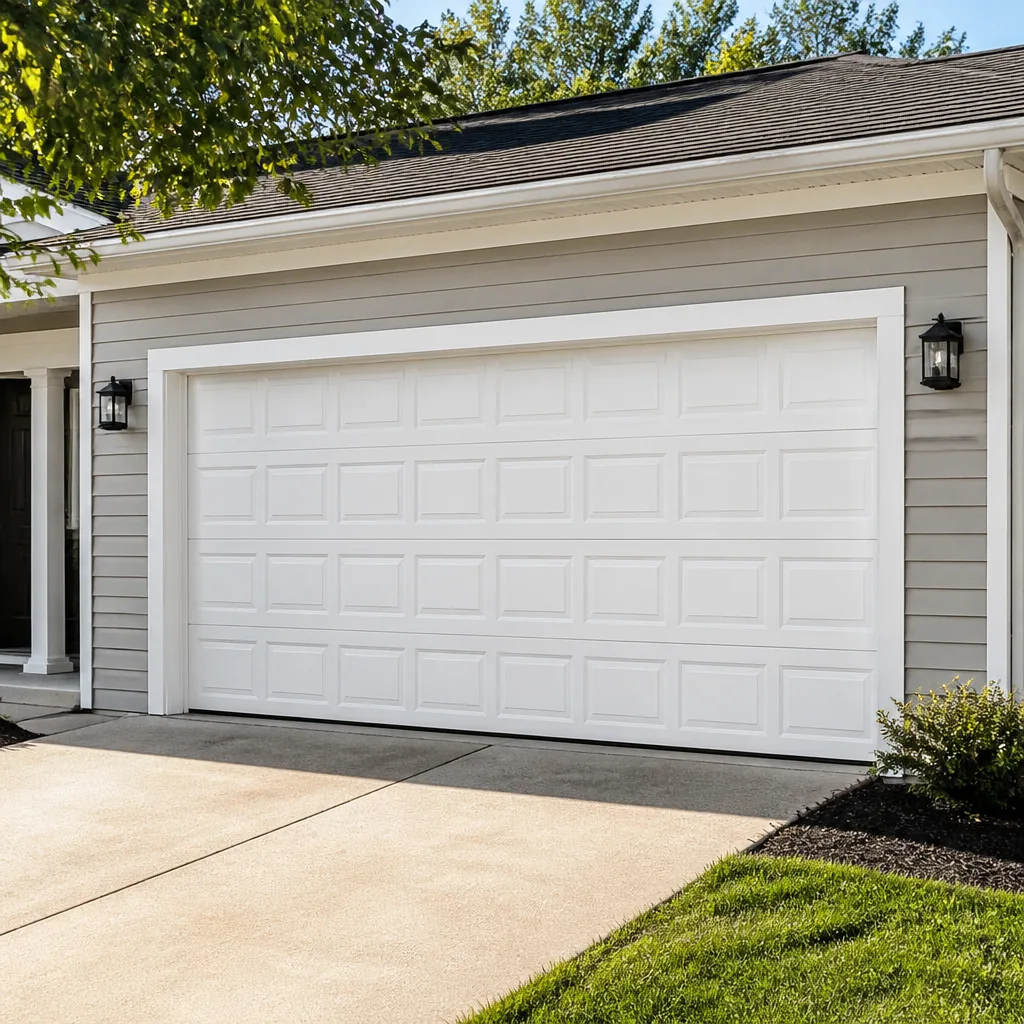 Raised-panel steel
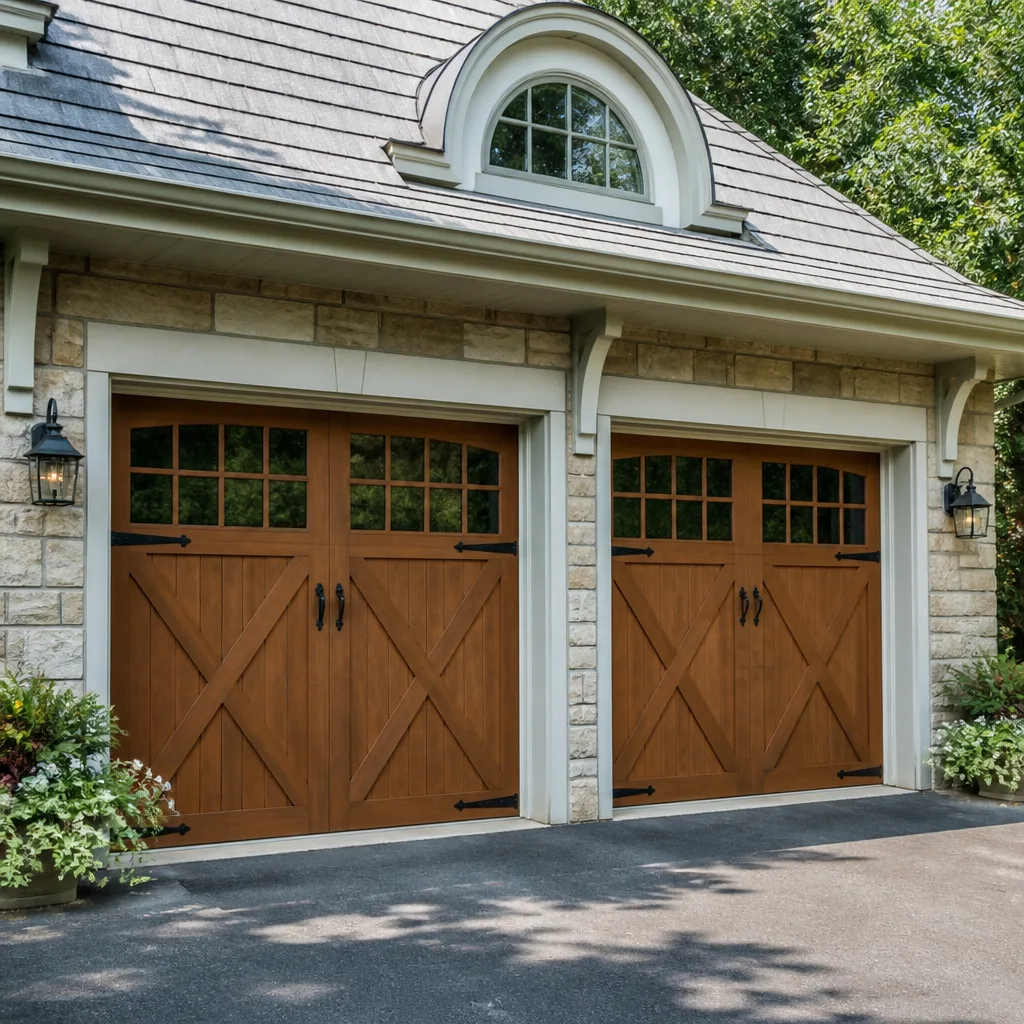 Carriage house
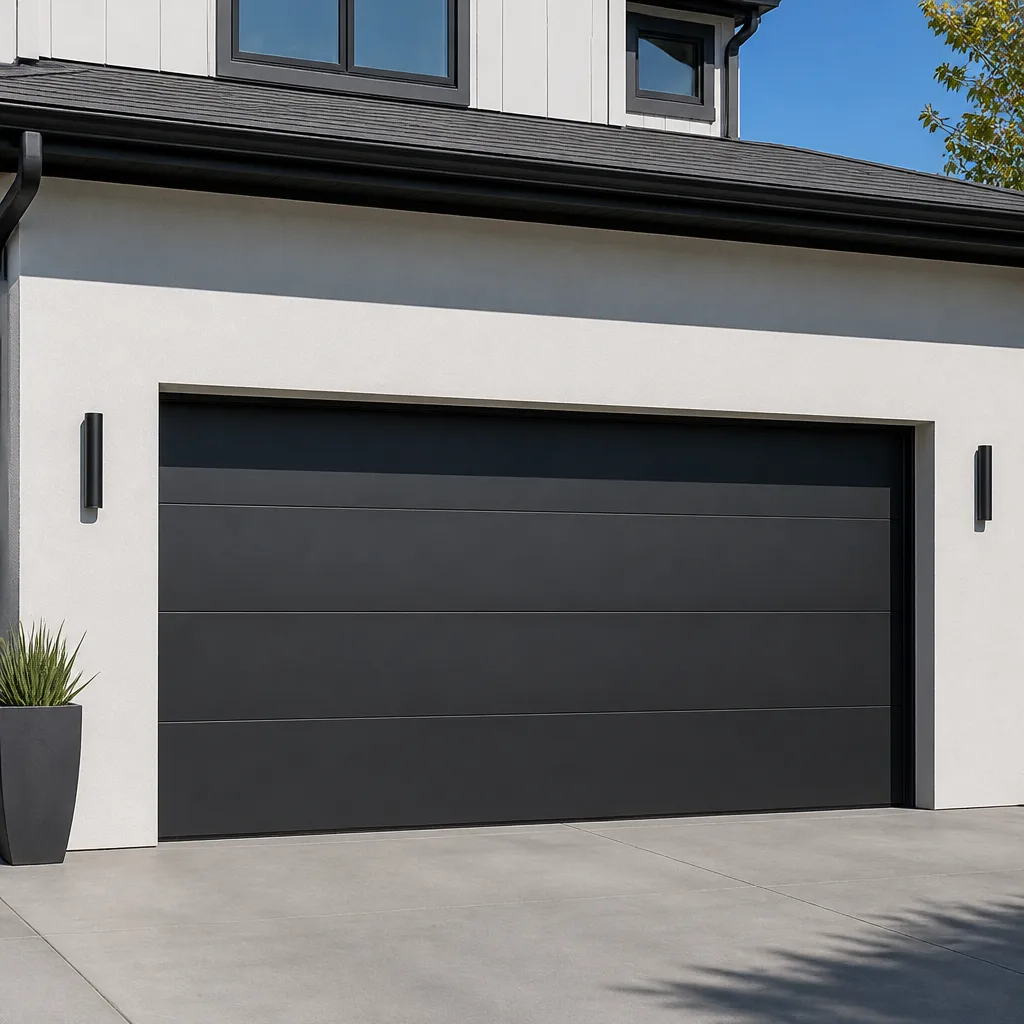 Modern flush
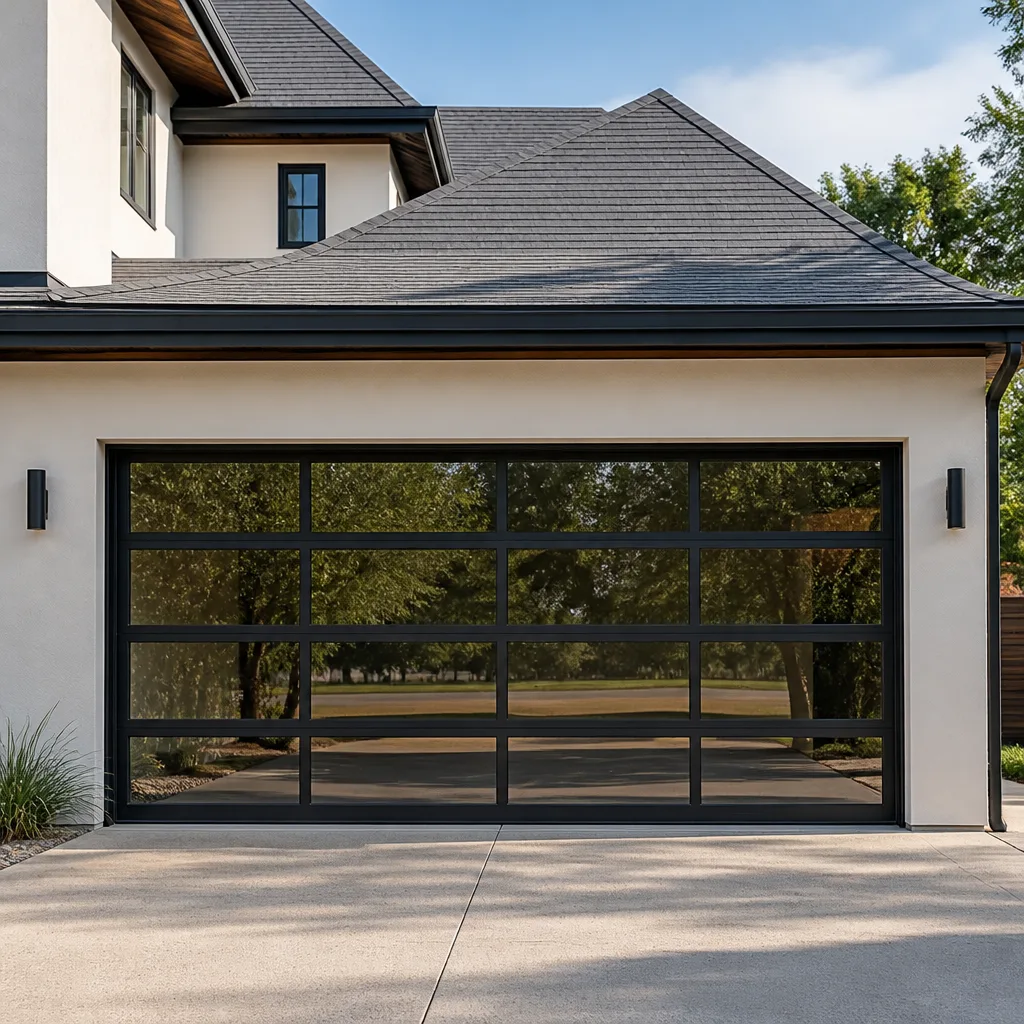 Full-view glass
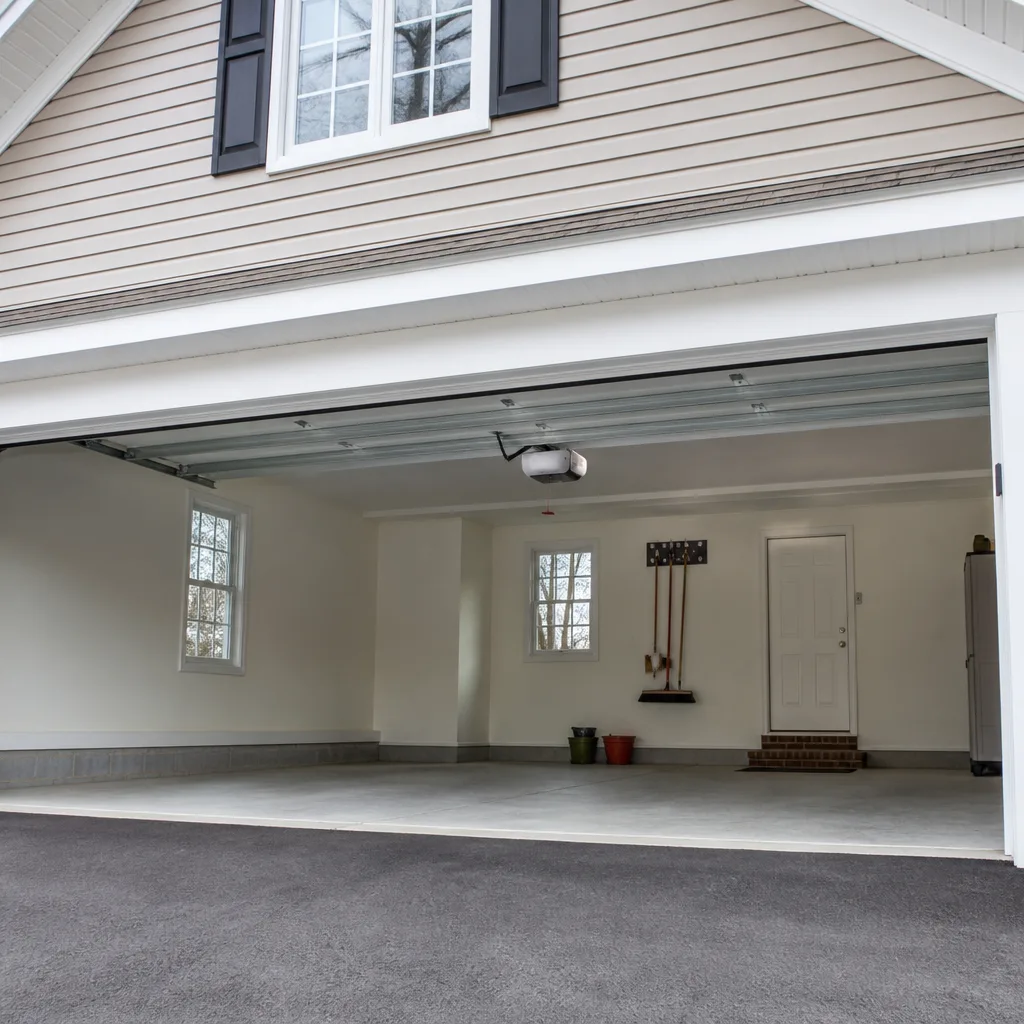 LiftMaster openers
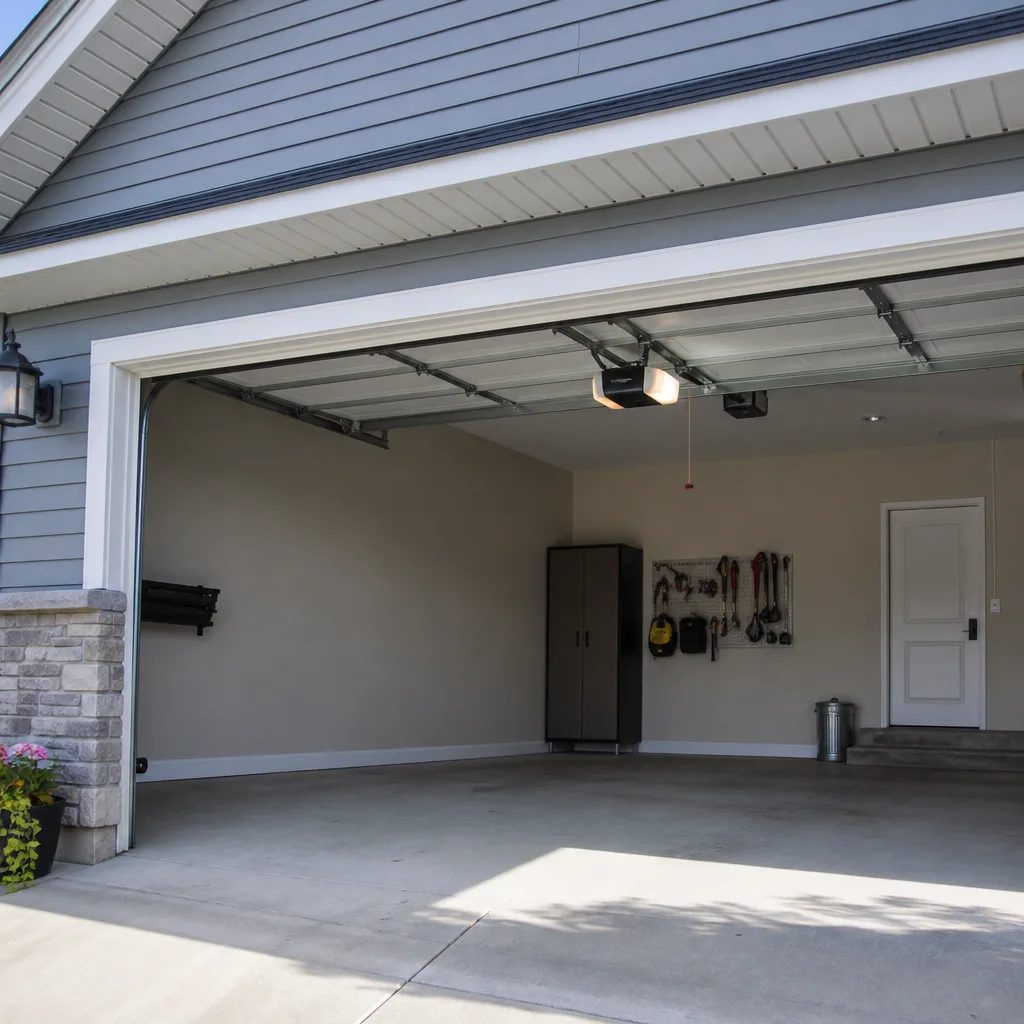 Chamberlain openers
Full 25-point door and opener safety check with every visit - springs, cables, rollers, tracks, and your LiftMaster or Chamberlain opener included
You get a price before we start. It does not change when the truck arrives.
Get your free estimateGarage Door Permits, Codes & Inspections in CA: What You Need to Know
A homeowner in Los Angeles County swapped out their garage door, opener, and framing in a single weekend job. No permit was pulled because the contractor said “replacement doesn’t need one.” Three years later, the buyer’s inspector flagged it as unpermitted structural work. The sale nearly collapsed. The contractor’s phone number had been disconnected for two years.
This isn’t a rare horror story. It plays out across Los Angeles neighborhoods every month, and it’s almost always avoidable with thirty minutes of research before the first tool comes out. This guide walks through exactly when a permit is required in Los Angeles County and the City of LA, what California Title 24 means for your specific garage configuration, what UL 325 means for openers, how unpermitted work shows up on title reports, and what remediation actually costs. For Garage Door Repair Troubleshooting: Common Problems and How to Fix Them, see our dedicated guide. If you’re planning any garage door work in Los Angeles, this is the page that answers the questions your contractor may not want you to ask.
Styles & brands we work with
Quick Answer
In California, a like-for-like garage door replacement typically does not require a building permit, but any work that alters the door opening’s dimensions, replaces structural framing, or changes the wall or header configuration does. Garage door openers must comply with UL 325 safety standards, and any garage attached to living space must meet California Title 24 energy code requirements for the door’s R-value. Get a written scope-of-work assessment from your contractor before any work begins, and check with your local building department if the job involves anything beyond a direct door swap.
Table of Contents
- When a Garage Door Permit Is Actually Required in Los Angeles
- LA County vs. City of LA: Two Different Rulebooks
- California Title 24 and Your Garage Door’s R-Value
- UL 325 Compliance: What Inspectors Actually Check
- How Unpermitted Garage Work Shows Up on Title Reports
- South Gate and LA County Jurisdiction Overlaps
- The Permit Process: Step by Step
- Common Mistakes to Avoid
- When to Call a Professional
- Frequently Asked Questions
- The Bottom Line
When a Garage Door Permit Is Actually Required in Los Angeles
The language in California building codes is deliberately precise, and it trips up homeowners who hear “no permit needed” from a contractor who’s wrong. Here’s the distinction that matters: a direct replacement of an existing garage door in the same opening, with no structural changes to the wall, header, or framing, typically falls under exempt work in most Los Angeles jurisdictions. Altering the opening is a different animal entirely.
What counts as a permit trigger in Los Angeles and LA County:
- Changing the door opening’s dimensions – widening, heightening, or repositioning the rough opening requires a permit because the header and load path change.
- Replacing or modifying the header – the beam above your garage door carries the weight of the wall above. Touch it, and you’re doing structural work, full stop.
- Converting a garage to living space – this is a change of occupancy and a major permit path, not a door project.
- Adding a new garage door where none existed – any new opening in an exterior wall is structural and requires plans.
- Replacing framing members around the door – rotted side jambs or sill plates that get cut out and replaced is structural work in the eyes of the building department.
In our experience across Los Angeles, the most common permit surprise comes from the framing issue. A homeowner replaces a wood-framed door with a steel door, the contractor discovers rot in the side jambs, and the scope quietly expands into structural repair. That’s the moment the job crosses from exempt into permitted territory. A Garage Door Installation in South Gate that involved any framing repair should always trigger a conversation with the building department before work continues.
What does NOT require a permit: replacing a door panel in the existing opening, swapping a spring system, replacing rollers, cables, hinges, or a garage door opener that plugs into an existing outlet. These are maintenance and repair items, not structural alterations.
LA County vs. City of LA: Two Different Rulebooks
Los Angeles County and the City of Los Angeles operate separate building departments with separate interpretations of the California Residential Code. Your address determines whose rules govern you. It’s not a technicality. It changes the answer to the most basic question: “Do I need a permit for this?”
Here’s how the jurisdictions split in Los Angeles:
- City of Los Angeles (LADBS) – serves the city proper, including Hollywood, Sherman Oaks, Venice, and the Westside. LADBS publishes specific guidance on one- and two-family dwelling permits, and their inspectors follow the Los Angeles Municipal Code in addition to state code.
- Los Angeles County Building and Safety – serves unincorporated areas like Marina del Rey, Altadena, and parts of East LA, plus contract cities that don’t run their own building departments.
- Contract cities with their own departments – cities like South Gate, Pasadena, Burbank, Glendale, and Long Beach issue their own permits and apply their own interpretations.
Why this matters: LADBS is generally consistent about exempting like-for-like door replacements. County Building and Safety follows California Residential Code section R105.2 closely, which exempts “minor repairs” but is silent on the door replacement question in ways that different plan checkers interpret differently. Some county inspectors read “repair” broadly to include full door replacement. Others don’t. A fifteen-minute call to the building department before you start resolves the ambiguity.
If you live in a city with its own department, don’t assume the county’s answer applies to you. South Gate, for instance, has its own building and safety division, and their staff can clarify whether your specific scope needs a permit. The Garage Door Repair in South Gate market deals with this jurisdiction question regularly, and the answer depends entirely on your parcel’s address and the work scope.
California Title 24 and Your Garage Door’s R-Value
California’s Title 24 energy code (the California Energy Code) regulates the thermal performance of building components, and that includes garage doors in specific configurations. Here’s the practical translation: if your garage is attached to conditioned living space, the wall separating the garage from the house must meet insulation requirements, and the garage door itself may be part of the compliance calculation.
Here’s what Title 24 actually requires for Los Angeles homeowners:
- Attached garages in Los Angeles climate zones (6, 8, 9, and 16 depending on your exact location) – the door must meet a minimum R-value when the garage shares a wall with conditioned space. Los Angeles sits primarily in climate zones 6 and 9, with the coastal strip in zone 6 and inland areas in zone 9.
- Detached garages – Title 24 requirements are minimal because there’s no conditioned space adjacent. A basic non-insulated door generally complies.
- Garage-to-house walls – this is where the code applies most aggressively. The wall between your garage and living room must be insulated to R-13 in most Los Angeles zones, and if your garage door replacement changes the thermal profile, the inspector may verify the door’s insulation value during any inspection.
- Doors with R-values below 6 – commonly found on older wood or thin steel doors. If you’re replacing one of these on an attached garage in Los Angeles, a code-compliant replacement should have an R-value of at least 6.5 to 9 for typical steel sandwich panels, matching what the energy code expects for garage doors adjacent to conditioned space.
What this means practically: if you replace an old uninsulated wood door on an attached garage in Los Angeles with a non-insulated steel door, you’ve may have actually stepped backward on energy code compliance. A Clopay insulated steel door with a polyurethane core, for instance, carries an R-value between 6.5 and 18 depending on thickness. A basic single-layer steel door from a big-box store might be R-1.5. That difference matters when an inspector looks at your door swap during a larger renovation, and it matters for your cooling bills during Los Angeles summers when the garage shares a wall with your bedroom.
UL 325 Compliance: What Inspectors Actually Check
UL 325 is the safety standard for garage door openers. Every opener sold in the United States must comply, but compliance on paper and compliance in the field are two different things. When a Los Angeles building inspector looks at an opener installation, they’re checking specific mechanical and electrical details that prevent entrapment injuries.
Here’s what an inspector actually checks on a garage door opener installation or replacement:
- Photo eye sensors – mounted 4-6 inches from the floor on each side of the opening, aligned so the beam is unbroken, and wired so the door reverses if anything interrupts the beam while the door is closing.
- Force sensitivity adjustment – the opener must reverse when it encounters resistance equivalent to a 2-inch block. The inspector may test this during a final inspection on new installations.
- Manual release mechanism – the red emergency release cord must be accessible and functional so the door can be opened manually during a power outage.
- Electrical connection – the opener must plug into a grounded, GFCI-protected outlet in the garage. Hardwired connections that bypass the plug are a code violation in most Los Angeles jurisdictions.
- Battery backup – California has required battery backup on all newly installed residential garage door openers since July 2019. The backup must power the opener through at least two open-close cycles after power loss.
If you’re installing a new LiftMaster opener in Los Angeles, the battery backup requirement is baked into the unit. If you’re reusing an older Chamberlain or Genie opener that predates the 2019 rule, it can stay as long as it remains in service, but the moment it’s replaced, the replacement must carry battery backup. Onyx Garage Door Service works on LiftMaster, Chamberlain, Genie, and Clopay systems daily, and the pre-2019 units are still more common in Los Angeles garages than most homeowners realize.
How Unpermitted Garage Work Shows Up on Title Reports
Here’s how it actually plays out. You sell your house. The buyer’s lender orders an appraisal, and the appraiser notes a garage door opening that doesn’t match the county assessor’s records. Or the buyer’s home inspector flags a header modification that looks newer than the rest of the structure. Either way, it ends up on the disclosure documents, and the buyer’s agent asks the question: “Was this permitted?”
If the answer is no, the deal doesn’t automatically die, but the path forward becomes complicated:
- Retroactive permits – you apply for a permit after the work is done. The building department sends an inspector to review the work. If it’s code-compliant, the permit is issued. If it isn’t, you fix it first, then the permit is issued.
- Penalty fees – most Los Angeles area jurisdictions charge 1.5 to 2 times the standard permit fee for work done without a permit. This is the “double fee” you’ll hear about from realtors.
- Re-inspection – the inspector doesn’t just rubber-stamp old work. They’ll verify structural details, UL 325 compliance on openers, and Title 24 energy compliance where it applies. That unpermitted door swap from three years ago gets scrutinized harder than it would have been on day one.
- Disclosure obligations – once you know about unpermitted work, you must disclose it to buyers in California. Hiding it exposes you to liability after the sale.
The framing story from the opening of this guide happens because structural work without a permit doesn’t get inspected, which means no one verifies the header was sized correctly. A garage door opening carries the weight of whatever is above it, and an undersized header sags over time until the door binds or the wall cracks. In Los Angeles, where many garages are original to homes built in the 1940s through 1970s, we’ve seen headers that were never permitted and never sized correctly, still in place decades later, waiting to be discovered. The Onyx Garage Door Service home page covers the full repair and installation scope for these situations.
South Gate and LA County Jurisdiction Overlaps
South Gate operates its own building department, which means permits for garage door work on parcels inside South Gate city limits go through South Gate, not LA County. This creates a common confusion point: homeowners in South Gate call LA County Building and Safety because their address says “Los Angeles County” on some documents, but the county redirects them to the city because the parcel is incorporated.
Here’s how to determine which agency has authority for your address:
- Check your property tax bill or utility statement – the jurisdiction is listed on the document. If it says “City of South Gate” or “City of Los Angeles,” that’s your building department.
- Use the LA County Assessor parcel lookup – the assessor’s portal lists the taxing jurisdiction for every parcel in Los Angeles County.
- Call the department directly – South Gate Building and Safety keeps its own records and can confirm whether your address falls under its authority. A five-minute call saves you from filing in the wrong system.
- Look for unincorporated signs – unincorporated county areas typically don’t have “City of” on street signs or public works vehicles. If you see South Gate city services in your neighborhood, you’re under the city’s jurisdiction.
The practical impact: permit fees, timelines, and inspector interpretations vary between jurisdictions. City of Los Angeles, LA County, and South Gate are three separate rulebooks that all exist within a few square miles of each other in the Los Angeles basin. A Garage Door Opener Repair in South Gate might be exempt as a repair, but if that repair becomes a full opener replacement with a new outlet install, South Gate’s rules apply, not the county’s. The best practice in every Los Angeles jurisdiction is the same: call, ask, write down the name of the person who answered, and confirm whether your scope needs a permit before work starts.
The Permit Process: Step by Step
If your garage door project does require a permit in Los Angeles, the process isn’t as intimidating as homeowners fear. Here’s the full sequence, step by step.
- Determine your jurisdiction – use the steps above to identify whether you’re under City of LA, LA County, or your local city like South Gate.
- Call the building department’s plan check desk – describe the scope in plain language. Say exactly what’s being done: door replacement, framing repair, opening enlargement, new opener. Ask for the specific permit type.
- Prepare minimal documentation – most residential garage door permits in Los Angeles need a simple plot plan or elevation drawing showing the existing opening and proposed work. Some jurisdictions accept hand-drawn diagrams for simple scopes.
- Pay the permit fee – depending on jurisdiction and scope, residential garage door permits in Los Angeles typically run $75 to $300. Structural changes that involve header modifications run higher because they require plan review.
- Schedule inspections – most garage door work requires a single final inspection. If structural framing is involved, expect a rough inspection before the framing is covered and a final inspection after the door is installed.
- Pass the inspection – the inspector will verify the door opening dimensions, header sizing, UL 325 compliance on openers, Title 24 insulation where it applies to attached garages, and general code compliance.
- Keep the permit records – the finaled permit card and inspection record stay with your house documents. This is what a buyer’s agent will ask to see during a future sale.
Total timeline for a simple permit in Los Angeles: one to three weeks from application to final inspection, depending on department backlog. It adds time to the project, but it eliminates the title report surprise down the road.
Common Mistakes to Avoid
- Taking a contractor’s word without verification – “No permit needed” is the correct answer for a direct door swap, but it’s the wrong answer for any framing work. Call the building department yourself and get the answer in writing. Contractors who disappear after the job won’t be around to explain the permit gap to your buyer’s inspector.
- Treating a header modification like a minor repair – the header carries the structure above your garage door. An undersized or improperly supported header sags, binds the door, and cracks the wall over time. In Los Angeles, this is the single most common unpermitted structural issue we see in garages.
- Ignoring Title 24 on attached garages – a cheap non-insulated replacement door on an attached garage in Los Angeles may technically comply with permit exemptions but create an energy code liability during a future inspection. The R-value difference between a basic steel door and an insulated one is substantial.
- Reusing a pre-2019 opener without checking battery backup – existing openers can stay, but if you’re replacing a LiftMaster or Chamberlain from before 2019, California law requires the replacement to include battery backup. It’s easy to forget, and an inspector will catch it.
- Filing in the wrong jurisdiction – “Los Angeles” on your address doesn’t mean you file with the City of LA. South Gate, Burbank, Glendale, and other contract cities run their own departments, and filing in the wrong system wastes weeks.
- Not keeping the permit docs after the job – the finaled permit is a house asset. Lose it, and a future buyer’s diligence process gets harder. Keep it with your deed and other closing documents.
- Assuming commercial rules apply to residential work – commercial garage doors in Los Angeles have different code paths, different inspections, and different Title 24 requirements. Residential and commercial projects are not interchangeable.
When to Call a Professional
Any garage door project that involves structural framing, opening modification, or new electrical work for an opener warrants a professional who understands both the mechanical and permit dimensions of the job. If your contractor can’t articulate which jurisdiction applies to your address and whether your scope requires a permit, that’s a red flag. The same applies if they’re dismissive of Title 24 or UL 325 because “no one checks that stuff.” Inspectors do check, and title companies do flag unpermitted structural work years later.
Specific situations where a professional evaluation saves you money: a door that binds against the frame and has been sticking worse each year, visible sagging in the header above the opening, a wood-framed opening that shows rot on the side jambs, or an older opener that no longer reverses when the photo eye beam is broken. These are mechanical symptoms that can point to structural or electrical issues underneath. Onyx Garage Door Service offers free estimates in Los Angeles – call (877) 588-8251 for an assessment of your scope before you make any permit decisions.
Frequently Asked Questions
A direct like-for-like replacement in the existing opening typically does not require a permit in most Los Angeles jurisdictions. Any change to the opening’s dimensions, header, or surrounding framing does require a permit. If your replacement includes structural work, call your building department before the job starts.
Residential garage door permits in Los Angeles County typically range from $75 to $300 depending on scope. Work done without a permit that requires retroactive approval carries penalty fees of 1.5 to 2 times the standard fee. Call (877) 588-8251 and we can help you scope the job properly before you file.
Yes. Structural changes that don’t match assessor records get flagged during buyer inspections, appraisals, or by a conscientious buyer’s agent. A non-permitted header modification is the most common trigger we hear about in Los Angeles. Retroactive permitting is possible but takes weeks and carries penalty fees.
Yes, for all newly installed residential garage door openers since July 2019. Existing pre-2019 openers can remain in service, but replacements must include battery backup. LiftMaster, Chamberlain, Genie, and other manufacturers all ship California-compliant models with this feature built in.
No. South Gate operates its own building department with its own interpretations of the California Residential Code. If your parcel is inside South Gate city limits, you file with South Gate, not the county. The scope thresholds are similar, but the process and fees differ.
For attached garages in Los Angeles climate zones 6 and 9, a replacement door should carry an R-value of at least 6.5, which corresponds to a standard insulated steel sandwich panel. Detached garages have minimal R-value requirements. Clopay and other manufacturers mark R-values clearly on their product specs.
The Bottom Line
California garage door permit rules aren’t mysterious. A direct door swap in the same opening? Generally exempt. Any structural touching of framing or the header? Permitted work. An opener replacement? Check UL 325 and the battery backup rule. An attached garage? Title 24 R-value requirements apply. The place this matters isn’t the day of the job. It’s three years later when a title report flags the work and the sale hangs on a permit you never pulled.
Los Angeles homeowners do one thing right: they ask the question before the job instead of after. Call your building department, confirm jurisdiction, write down the answer, and hire a contractor who treats the permit question the way they treat the door itself – precisely. For more guides & resources, explore our blog.
Written by the team at Onyx Garage Door Service, serving Los Angeles since 2014.
See the difference
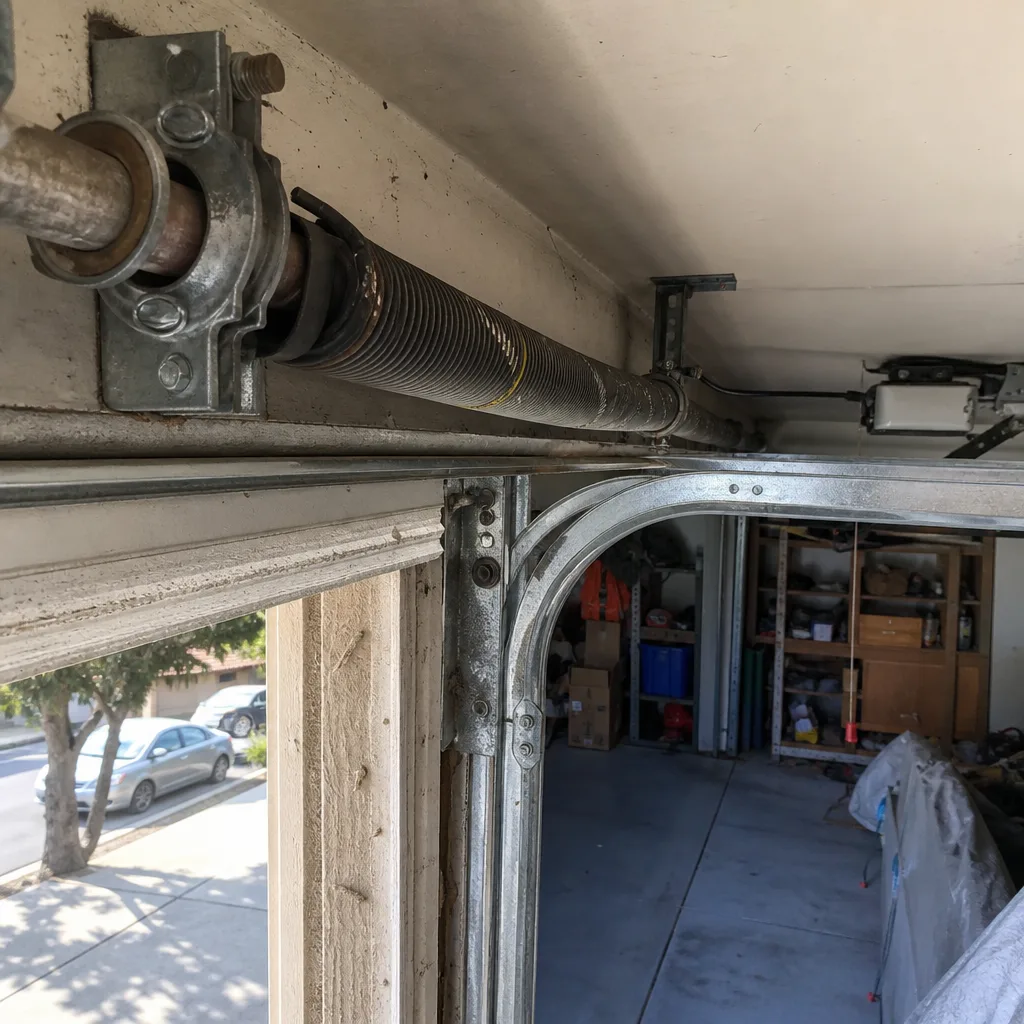 Before
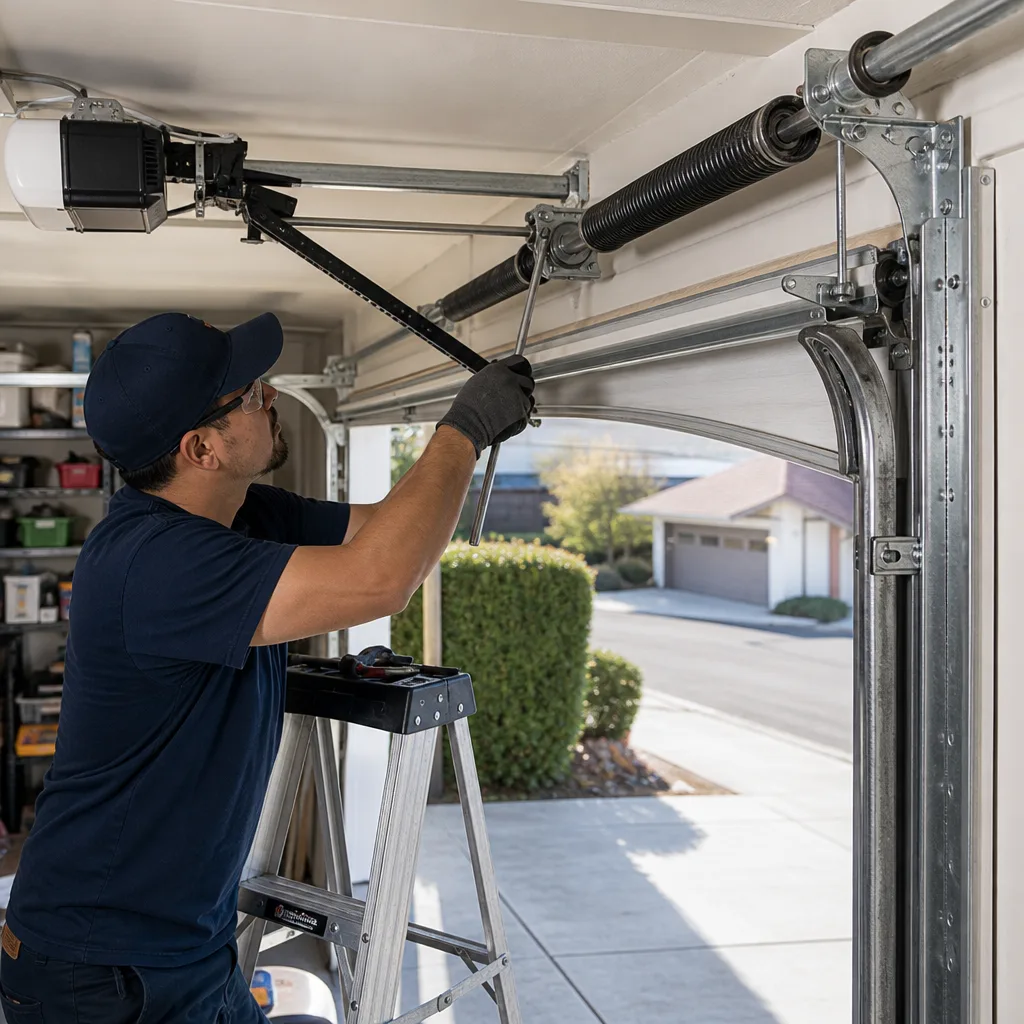 After
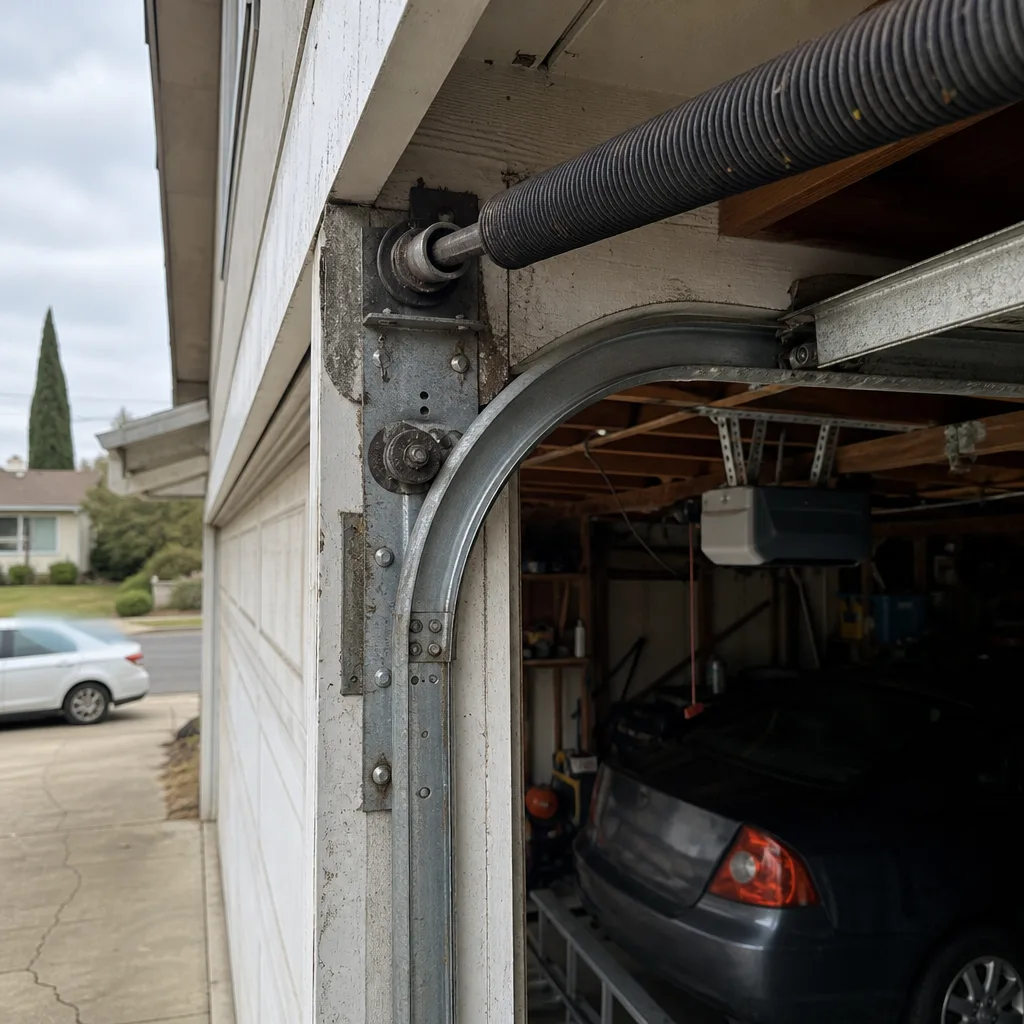 Before
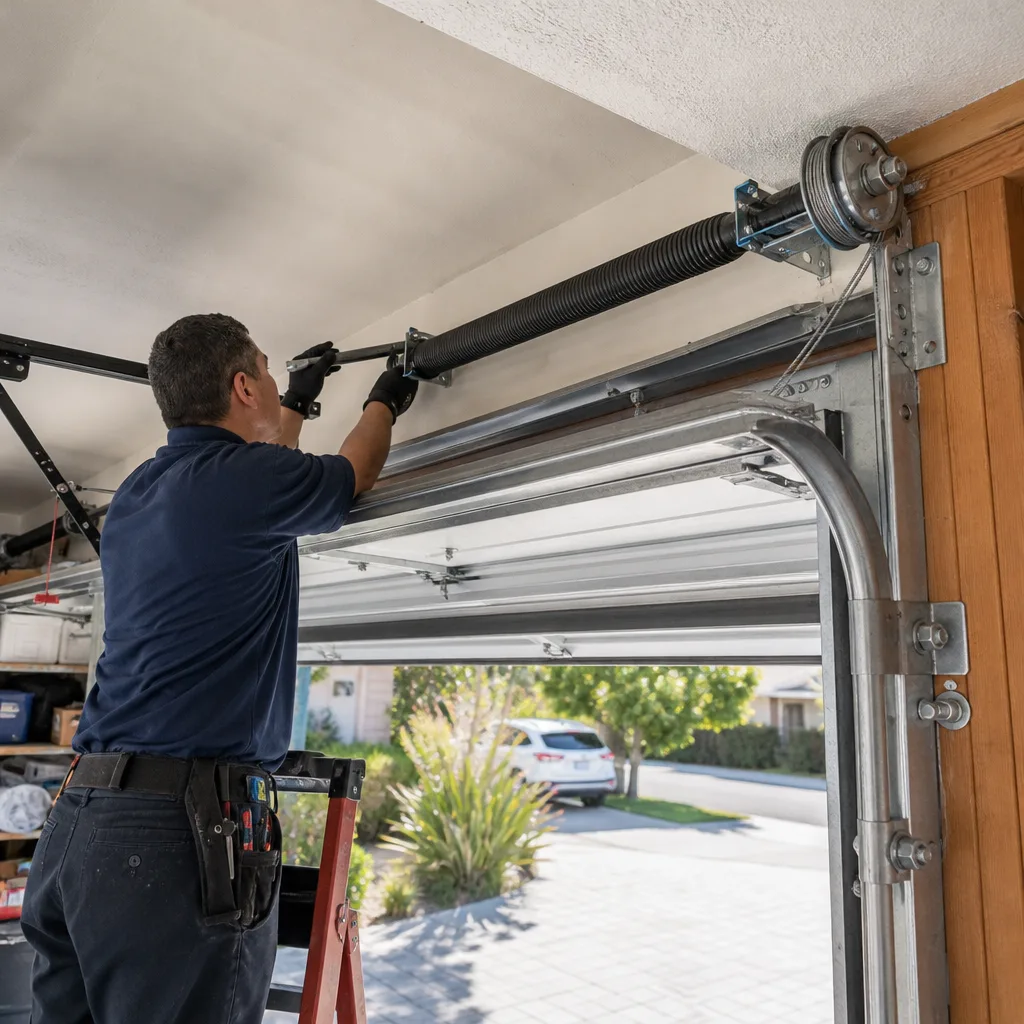 After
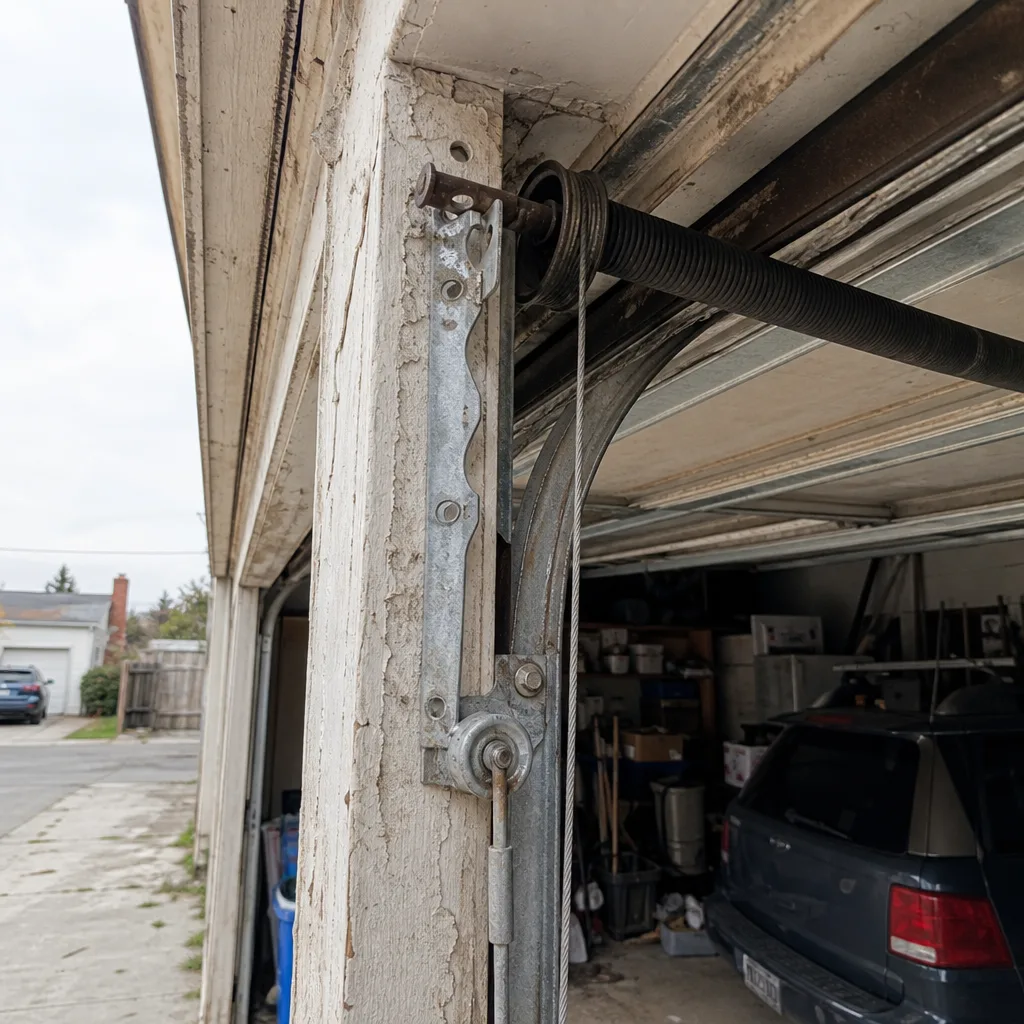 Before
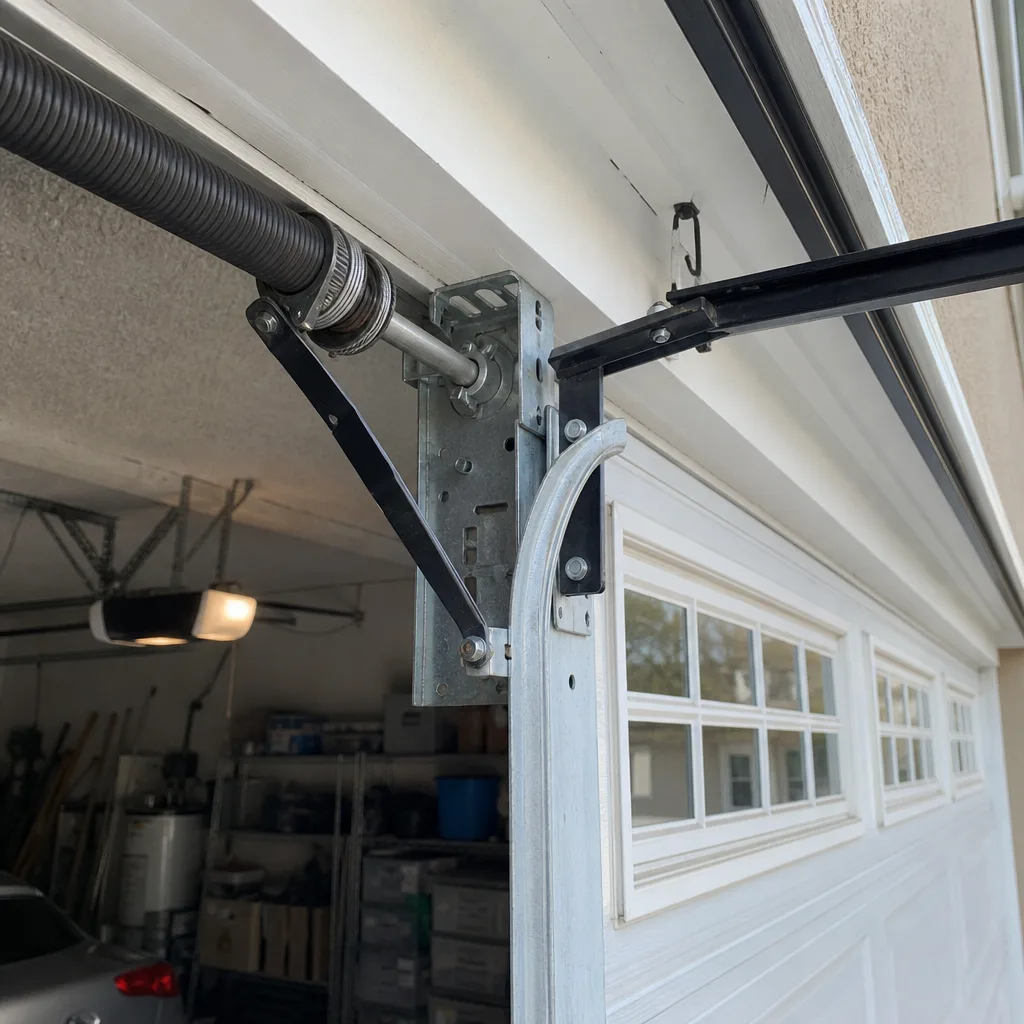 After