
Last updated October 31, 2026
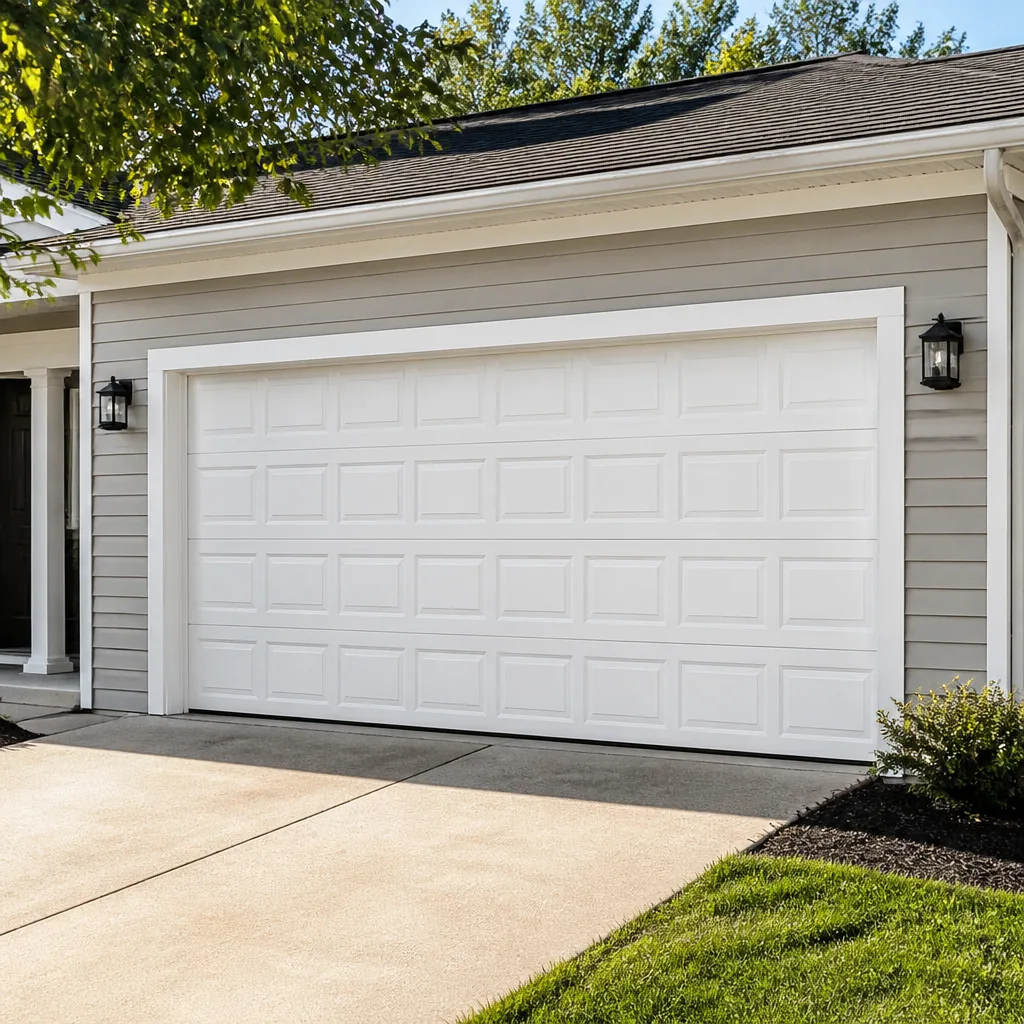 Raised-panel steel
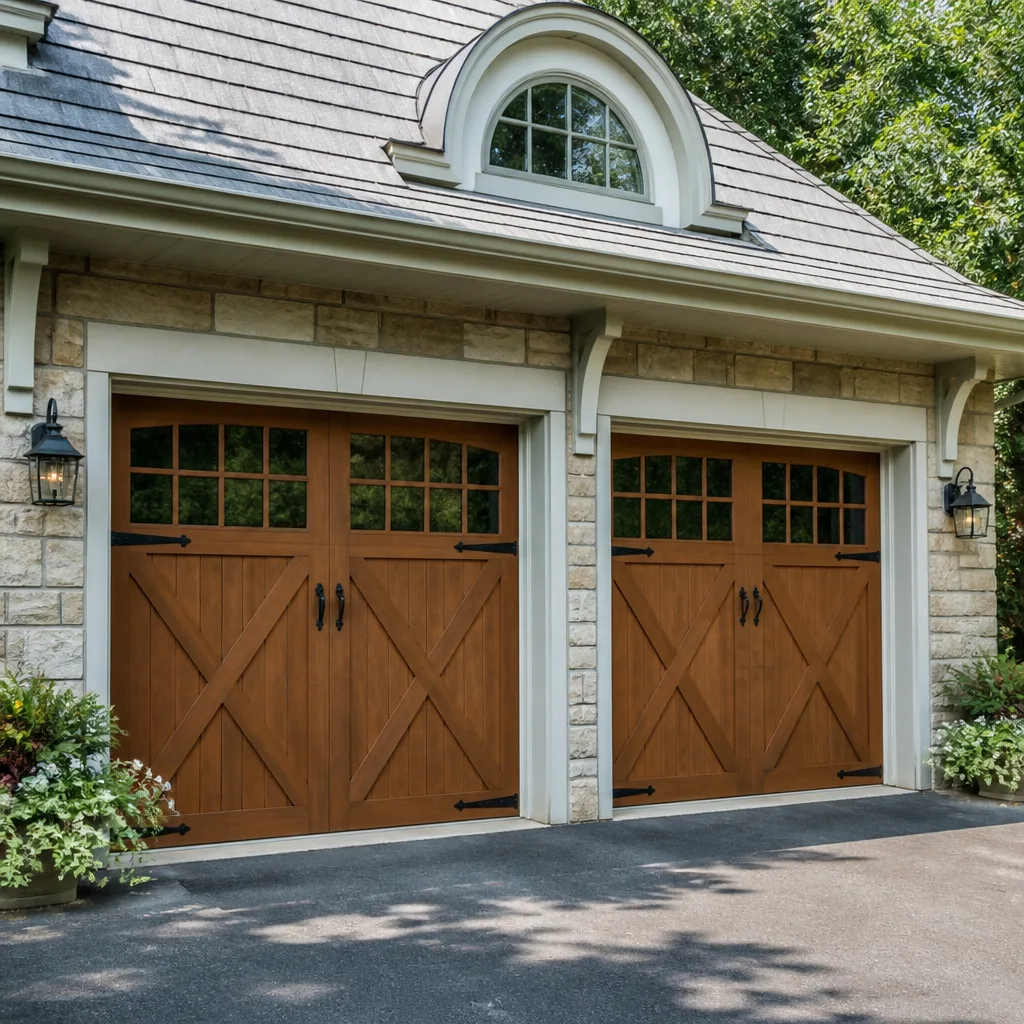 Carriage house
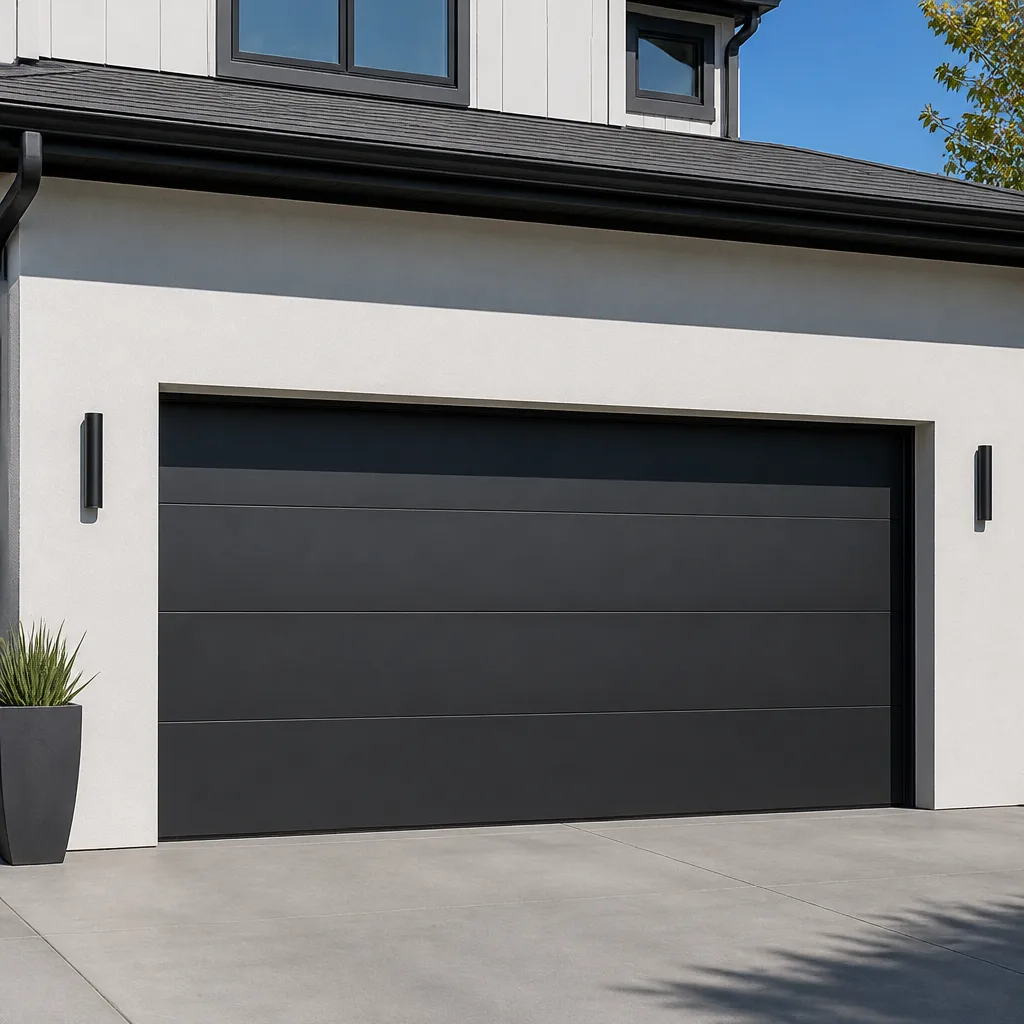 Modern flush
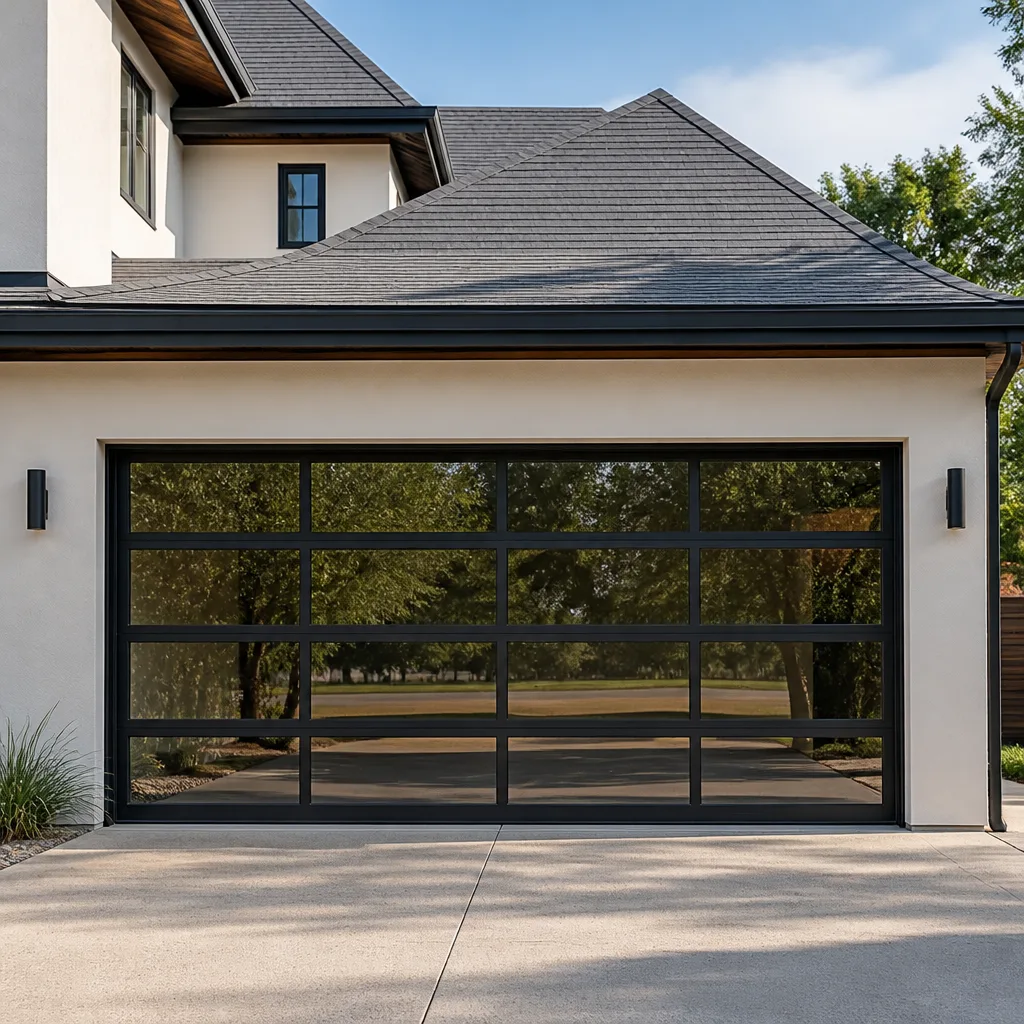 Full-view glass
 LiftMaster openers
 Chamberlain openers
Full 25-point door and opener safety check with every visit - springs, cables, rollers, tracks, and your LiftMaster or Chamberlain opener included
You get a price before we start. It does not change when the truck arrives.
Get your free estimateGarage Door Warning Signs: A Los Angeles Homeowner’s Reference Guide
Most garage door “warning sign” guides read like a list of obvious symptoms: loud noise, slow movement, door won’t open. They stop there. They don’t tell you whether you’re looking at a $30 roller replacement or a $400 spring failure, and they certainly don’t explain that the same symptom can point to three different components depending on what you’re hearing and when. A garage door is a system, not a single device. Each part fails in a predictable way, and learning to map the symptom to the component will save you from paying for repairs you don’t need. This guide walks through what we’ve seen across Los Angeles garages, from rusted tracks in Playa del Rey to heat-fatigued springs in Woodland Hills, and gives you the diagnostic literacy to have an informed conversation with any technician.
Quick Answer
Garage door warning signs in Los Angeles break into five categories: unusual noise, uneven or asymmetric movement, delayed or inconsistent response from the opener, visible wear on hardware, and doors that reverse or stop unexpectedly. Each symptom points to a specific component failure, and identifying which one before you call on us or any other technician means you’ll pay for the right fix, not a misdiagnosis. Most issues fall into a cost range of $30 to $400 depending on whether you’re replacing a roller, a sensor, a spring, or a logic board.
Styles & brands we work with
Table of Contents
- The Noise Taxonomy: What Your Door Is Telling You
- The Balance Test: Diagnosing Spring Tension Before It Snaps
- Asymmetric Movement: The Cable and Drum Warning Sign Most Guides Miss
- Dying Opener or Failing Spring: How to Tell the Difference
- Los Angeles-Specific Failures: Corrosion vs. Heat Fatigue
- When the Door Reverses for No Reason
- Visual Inspection Checklist: What You Can See From the Ground
- Common Mistakes to Avoid
- When to Call a Professional
- Frequently Asked Questions
The Noise Taxonomy: What Your Door Is Telling You
A garage door that makes noise is not just annoying. It’s communicating. Every sound has a source, and that source is almost always one of four components: rollers, springs, hinges, or the track itself. The problem is that most homeowners describe all of it as “grinding” or “grunting,” which collapses four distinct failure modes into one useless category. Think of it like car noise: a squeal and a clunk and a hiss are not the same problem, and no competent mechanic would treat them as one. The same applies to garage doors.
Here is what each sound means:
- Grinding: Metal on metal contact that should not be happening. This usually means a roller has seized, which then drags along the track instead of rolling. The fix is replacing the roller, occasionally the roller assembly. In Los Angeles coastal neighborhoods, especially anything within a few miles of the water, we see rollers rust and seize faster than inland. A seized roller left unrepaired will eventually wear a groove into the track, which escalates the cost significantly.
- Popping or snapping during operation: This is the sound of a torsion spring under stress. A single pop may mean a spring is catching on itself or its winding cone is shifting. Continuous popping during movement is a signal that spring tension is becoming uneven, and that spring is moving toward failure. If you hear this, stop using the door and call a professional. Torsion springs are the single most dangerous component in a residential garage door system, and the damage from a snap goes far beyond inconvenience.
- Squealing or high-pitched shrieking: This points to metal-on-metal friction at the roller axle or the hinge pins. A short-term fix is lubrication with a garage door-specific lubricant, but persistent squealing after lubricating generally means the bearing inside the roller is worn out and the roller needs replacing. On LiftMaster and Genie openers, a similar shrieking sound can come from the opener rail when the trolley has not been lubricated in years. That rail should be cleaned and re-lubricated before replacing an opener that still works.
- Rattling: Loose fasteners. Garage doors cycle thousands of times per year, and vibration works bolts and screws loose on the hinges, the track brackets, and the opener mounts. Rattling is the cheapest possible repair, usually just tightening hardware, but ignoring it for months means loose hardware becomes elongated mounting holes, which then require reinforcement plates or new sections of track.
We work on all major residential brands in Los Angeles, including Chamberlain, Genie, Clopay, and Amarr, and the noise taxonomy is identical across openers and doors regardless of manufacturer. A grinding sound from a Chamberlain opener is still a roller or track problem, not an opener problem. Which leads directly into the next section.
This kind of brand-specific diagnosis is exactly what Garage Door Repair in South Gate requires, and it’s the same reasoning we apply across every Los Angeles neighborhood we serve.
The Balance Test: Diagnosing Spring Tension Before It Snaps
Garage door springs fail slowly before they fail suddenly. The spring is not binary: fine one day, snapped the next. Torsion springs lose tension gradually over years, and that gradual loss shows up as a door that feels heavier, opens and closes more slowly, or needs the opener to work harder to move it. The balance test is how you measure spring tension yourself, and it is the single most useful diagnostic a Los Angeles homeowner can learn before calling a technician.
Here is the process:
- Close the door fully.
- Pull the red emergency release handle hanging from the opener rail. This disconnects the door from the opener trolley so you’re testing the door’s own weight, not the motor.
- Attempt to lift the door manually by gripping the bottom handle or the outside edge.
- A properly balanced door will lift smoothly with minimal effort and stay in place about halfway up.
- A door that drops back down is over-balanced, and a door that is hard to lift is under-balanced. Both conditions indicate spring tension problems.
If the door is heavy to lift, the spring is losing tension and the opener is compensating by working harder. That added load shortens the life of the opener motor, strips gears, and increases the chance the spring will snap under load. If the door shoots up too fast, that’s the opposite problem: too much tension, which can damage the top panel or the opener’s trolley. Both conditions are failures in progress, not maintenance items to postpone.
The balance test matters even more in Los Angeles because our garages are used constantly, often as workshops, storage, or home gyms. The door is not a once-a-day front-facing feature here; it moves multiple times daily. A spring that has lost 15% of its tension in Thousand Oaks has experienced more load cycles in a year than the same spring in a midwest home might see in three years. Heat accelerates spring fatigue as well. Inland Los Angeles, particularly the San Fernando Valley, sees summer garage temperatures above 110 degrees regularly, and heat cycling weakens spring steel faster than the mild coastal climate does.
If the balance test reveals a problem, a professional can measure your spring’s wire size, inside diameter, and length to match the correct replacement spring. This is not a one-size-fits-all part, and the difference between a correct match and a generic spring is years of service.
Asymmetric Movement: The Cable and Drum Warning Sign Most Guides Miss
Most guides will tell you a door that moves unevenly has a track misalignment. That is sometimes true, but far more often we see uneven movement caused by a failing cable or a cable drum problem. The distinction matters because a track adjustment is a maintenance item, while a cable failure is a hazard that can drop half the door without warning.
Here is how to tell the difference. Watch the top edge of the door as it rises. A uniform gap across the width is normal. If one side of the door is visibly ahead of the other, even by an inch, that is asymmetric movement. Track issues cause binding, not differential speed. Binding means the door stalls or jumps. Differential speed means one cable is taking up more tension than the other, and that points to either a slipping cable drum, a frayed cable, or a cable drum that has begun to separate from the torsion shaft.
The cables on a garage door are not decorative. They carry the full weight of the door and direct its travel along the vertical tracks. When one cable frays, it sheds individual wire strands. Those strands can snag on the drum, preventing the drum from winding cleanly. As the drum slips, that side of the door lags. The door becomes visibly cocked. Left alone, the cable will snap under tension, and the door will slam down on that side, which can bend the track, damage the panel, and in worst cases send hardware flying.
We see cable drum issues especially in Los Angeles garages that have never been serviced but have passed through multiple owners. The cable drums and cables are hidden behind the top panel most of the time, and they don’t show wear the way a visible spring does. If you notice asymmetric movement and call us before a cable gives out, the repair is often just cable replacement and drum inspection. If you wait for the cable to snap, you’re almost certainly looking at additional track or panel damage on top of it.
Dying Opener or Failing Spring: How to Tell the Difference
The most common misdiagnosis in garage door repair is confusing a failing spring with a failing opener. The symptoms overlap: slow movement, a door that doesn’t open all the way, a motor that strains. And bad actors in this industry, or simply undertrained technicians, will often replace a working opener because the real problem is spring tension. The opener costs far more than a spring replacement, and the new opener will still strain against the same bad spring until that spring fails. That is waste, and it’s not an acceptable diagnostic standard.
Here is a simple test sequence that separates the two:
- Perform the balance test described above. If the door is hard to lift manually, the spring is the problem. No opener on the market is designed to compensate for a sagging spring indefinitely.
- Listen to the motor. A healthy opener moves the door in a consistent rhythm, whether that’s a LiftMaster belt drive or a Genie chain drive. A grinding or chattering motor that doesn’t correlate to rollers suggests the opener’s internal gears are worn, especially on worm drive and chain drive models.
- Test the opener without the door connected. Pull the release handle and run the opener. If the trolley moves smoothly along the rail, the motor and logic board are likely fine, which strengthens the case that the door’s own movement is the issue. If the trolley jumps or the motor makes noise without load, the opener itself is failing.
This process matters because reputable professionals should diagnose before recommending replacement, and so should you. Chamberlain and LiftMaster openers share the same internal architecture across many models, and Genie uses a different logic board but the same general failure profile. Motors rarely die without giving notice, and that notice is usually a change in sound, a delay in response, or a logic board that starts rejecting remote signals intermittently.
For more detail on opener-specific diagnosis, see our Garage Door Opener Repair in South Gate guide, which walks through logic board, rail, and remote failure separately from door hardware issues.
Los Angeles-Specific Failures: Corrosion vs. Heat Fatigue
Los Angeles is not one climate. It’s at least three. The failure profile of a garage door in Santa Monica does not match the profile of a door in Glendale, and neither matches what we see in Culver City or Torrance. Knowing which environmental stress your door faces helps you inspect for the right problems before they become emergencies.
In coastal Los Angeles, from Pacific Palisades down through El Segundo and into the Palos Verdes area, the dominant problem is corrosion. Salt air accelerates oxidation on every exposed metal surface: roller axles, hinge pins, track brackets, cable strands, and even the powder coat on steel panels. A roller that would last 15 years in the Valley might seize in 7 years within two miles of the ocean. Coastal homeowners should inspect for rust-colored streaks under the hinge points and for rollers that have begun to grind rather than spin freely. Applying a dry garage door lubricant to hinge pins and roller axles annually is not optional in these zip codes; it’s the difference between a $35 roller replacement and a $300 track section repair.
Inland Los Angeles, particularly the San Fernando Valley, the San Gabriel Valley, and areas like Northridge or Rancho Cucamonga, the stress is heat. Garage interiors routinely exceed 110 degrees during summer afternoons, and that heat affects torsion springs more than any other component. Spring steel fatigues faster at sustained high temperatures, especially when combined with the additional load from a door that is not balanced. Heat also degrades plastic components: the bushings in the rollers, the gears in older Genie and Craftsman openers, and the rubber weather seals at the bottom of the door. Those seals crack and become brittle, which lets dust and heat into the garage and reduces the door’s seal against pests.
For Los Angeles homeowners in canyon areas like Bel Air, Laurel Canyon, or the hills above Pasadena, the additional factor is dust and wood debris. The dust gets into the tracks and mixes with lubricant to form a paste that accelerates roller wear and can coat the safety sensor lenses. We recommend a quarterly cleaning of the sensor lenses and a semi-annual track wipe-down in these areas, which is more frequent than doors in flat coastal zones need. If you’re in one of these areas and the door’s remote stops working, the first thing to check before replacing any electronics is whether the sensor lens is simply coated in dust.
The Onyx approach to Los Angeles doors applies regardless of brand. Whether you own a Clopay sectional door in Redondo Beach or an Amarr carriage-style door in Sherman Oaks, the environment stresses the same components in the same ways. We diagnose to the component, not just the brand.
For homeowners in the southeastern part of the metro, these same principles apply to Garage Door Installation in South Gate, where the climate and usage patterns mirror inland Los Angeles.
When the Door Reverses for No Reason
A garage door that reverses after hitting the floor, or reverses mid-travel, is not a mystery. It is almost always one of three causes, and once you understand the logic of the opener, the diagnosis writes itself.
Cause one: misaligned safety sensors. Every opener made after 1993, including every Chamberlain, LiftMaster, and Genie model we service in Los Angeles, uses a photo eye system at the base of the door tracks. If the two eyes are not perfectly aligned, or if the lenses are dirty, or if direct sunlight hits one of them at a specific angle, the opener interprets the broken beam as an obstruction and reverses. This is not a malfunction. It’s the system doing what it was designed to do, albeit badly. Check that both sensor lenses are clean, aligned, and shaded from morning or afternoon sun. This is the cheapest possible fix.
Cause two: a failing logic board. If the sensors are aligned and clean and the door still reverses randomly, the opener’s brain may be misinterpreting the signal. Older Genie openers, in particular, are known for logic board degradation in high-heat garages. A board that has been baked in a 110-degree San Fernando Valley garage for a decade may start sending reversal commands that have nothing to do with the sensor input. This is an opener repair, not a door repair, and replacing just the board is often far cheaper than replacing the entire unit.
Cause three: an actual obstruction in the travel path. This is the most overlooked cause, because the obstruction is often not in the door opening itself. The safety reversal on modern openers is also triggered by excessive resistance. A door that is binding on a dirty track, dragging a seized roller, or catching on a warped section will trigger the opener’s load sensor and cause a reversal. The opener can’t tell the difference between a child in the doorway and a failing roller. It just reverses.
Diagnosing which of the three you have takes about five minutes: check the sensors first, then run the door manually, then look for physical resistance. If none of those reveal a problem, the logic board is the likely culprit. And here is the key point: a good technician will diagnose all three before recommending a replacement opener. Replacing a perfectly good opener because a sensor was dirty is a failure of process, not a repair.
Visual Inspection Checklist: What You Can See From the Ground
Most garage door components are visible without special equipment, and a five-minute visual inspection once every three months will catch most problems before they become expensive failures. This list assumes you’re standing inside the garage with the door closed, which is the safest position. We do not recommend inspecting from a ladder or opening the spring housing unless you are a trained professional.
Here is the inspection sequence:
- Look at the rollers. Are they making contact with the track correctly? Is any roller missing, cracked, or visibly tilted? Nylon rollers with worn bearings will wobble even when the door is stationary.
- Look at the track. Is there a visible buildup of residue on the vertical tracks? Are the track brackets still flush with the wall? A gap between the bracket and the wall indicates the track has shifted, which causes binding.
- Look at the cables. On a torsion spring system, the cables run along the sides of the door near the top. Are they frayed? Are there loose wire strands sticking out? Any fraying means replacement is urgent.
- Look at the hinges. Each panel seam has hinges, usually two or three per seam. Are any hinge pins pulling out? Is there rust around the pin? Are the mounting screws tight?
- Look at the spring. Without touching it, look at the torsion spring above the door. Does it look symmetrical? A spring that is about to fail may show a visible gap in its coils or a slight shift in its shape. Do not touch or attempt to adjust anything.
- Look at the weather seal. The rubber strip at the bottom of the door should be continuous and should sit flat when the door is closed. Cracks or gaps let in water, pests, and heat.
- Look at the opener rail. Is there visible debris or caked-on grease on the rail? Is the belt or chain running straight or does it appear to sag excessively?
This checklist works on any door, whether it’s a Clopay from a 2005 build or an Amarr installed last year. The components are structurally the same across manufacturers, and the failure modes are the same. What changes is the quality of the parts and the mileage on the system, not the anatomy.
Common Mistakes to Avoid
- Lubricating the track instead of the hinges and rollers. The track does not require lubrication, and adding grease to it just attracts dust, which turns into the abrasive paste we described earlier. The lubrication points are the roller bearings, the hinge pins, and the spring coils, and only with a garage door-specific lubricant. In dusty Los Angeles neighborhoods, especially canyon areas, this mistake actually accelerates failure.
- Ignoring a noisy door because it still works. Noise is the early warning system. Every more severe failure we see in Los Angeles, from snapped springs to stripped opener gears, was preceded by weeks or months of noise that the homeowner tuned out. The door does not heal. It gets worse.
- Replacing the opener when the spring is the problem. This is the most expensive mistake we encounter, and it happens when a homeowner calls a technician who either doesn’t perform a balance test or does not know how to distinguish opener failure from spring failure. Before any opener replacement, a balance test should be performed.
- Attempting to adjust or replace torsion springs without training. Torsion springs are wound under extreme tension, and the tools used to adjust them are specialized. Every year, homeowners are seriously injured attempting this repair. Do not do it. A spring that needs replacement is a call to a trained professional, full stop.
- Disconnecting the opener and leaving the door manual without latching it. A door that is disconnected from the opener can be lifted from the outside if it isn’t latched. This is a security risk in any Los Angeles neighborhood, and it’s a common oversight after a power outage or an emergency release pull. Always re-engage the opener or latch the door after testing.
- Using WD-40 on the door hardware. WD-40 is a solvent, not a lubricant for high-load components. It strips existing lubricant and leaves the metal dry. Use a silicone or lithium-based garage door lubricant, which is designed for the load and temperature range your door’s hardware experiences.
- Assuming all parts are generic. Springs, cables, and even rollers are sized to the specific door’s weight, height, and panel material. A spring that is “close enough” will not last, and in Los Angeles, where doors see heavy daily use, the wrong spring may last months instead of years. Brand matters for openers, and specification matters for springs.
When to Call a Professional
Some repairs are safe and sensible to handle yourself: cleaning sensor lenses, tightening loose hinge bolts, and lubricating the rollers and hinges fall into that category. Other repairs are not. If your balance test reveals spring tension problems, if you see frayed cables, if the door makes a popping sound during operation, or if the door has begun moving asymmetrically, stop using it and call a technician. The spring and cable system carries enough tension to cause severe injury or death if a cable snaps during operation or if a spring is mishandled. This is not a liability disclaimer; it’s a fact of the equipment. Onyx Garage Door Service offers free estimates in Los Angeles, and our techs are trained on all eight major residential brands. Call (877) 588-8251 and we’ll diagnose before we quote, and quote before any work begins.
Frequently Asked Questions
Cost depends on the component. Replacing a single roller in Los Angeles typically runs $30 to $80 including parts and labor. A cable replacement generally falls between $150 and $250. A torsion spring replacement is typically $250 to $400 depending on the spring size and door weight. Opener logic board or gear repairs fall between $150 and $350, while a full opener replacement starts around $450 and goes up from there. These are local market ranges; an exact quote requires seeing the door. Call (877) 588-8251 for a free estimate.
Not usually. Springs lose tension gradually before they fail, which is why the balance test described above is so valuable. A door that has become noticeably heavier to lift manually, or that the opener is straining to move, is giving you warning that the spring is near failure. That warning may last weeks or months, depending on the spring’s age and usage, but it is there if you are looking. The loud bang of a snapped spring is usually the end of a process, not a random event.
Every six months for most Los Angeles locations, and every three to four months if you live in a coastal zip code or a canyon area where dust is heavy. Coastal air accelerates corrosion, so the lubrication interval should be shorter. In dusty areas, the more frequent lubrication schedule should be paired with wiping down the tracks and lubricating only the hinge pins and roller axles, never the tracks themselves.
A noisy door is a door asking for attention. Some noise is benign, like loose hardware that just needs tightening. Other noise, particularly popping or snapping from the spring area, is a warning sign of imminent spring failure and should be addressed before the door is used again. The distinction between the two is a trained ear, and when the sound is coming from the spring, err on the side of professional inspection rather than using the door.
The first step is the balance test described above, because a door that is heavy due to spring problems will make any opener struggle, and replacing the opener without fixing the spring just moves the problem to the new unit. After the balance test, run the opener with the door disconnected. If the motor and trolley operate smoothly without load, the opener is likely fine and the problem is in the door itself. Repairs like logic board replacement, gear replacement, and rail cleaning extend opener life by years and are significantly cheaper than replacement.
Onyx Garage Door Service works on the eight most common residential brands in Los Angeles: LiftMaster, Chamberlain, Genie, Clopay, Amarr, Wayne Dalton, Craftsman, and Raynor. We repair the specific door and opener you already own rather than steering you toward any single product line. Whether your home has a Chamberlain opener on a Clopay door in the Valley, or a Genie on an Amarr in Playa Vista, we service what is already installed. For new installation, we spec systems based on your door’s measurements and your garage’s usage, not on any sales quota. Call (877) 588-8251.
The Bottom Line
A garage door warning sign is not a generic signal. It is a specific message from a specific component, and learning to read that message is the difference between a $40 repair and a $600 replacement. Perform the balance test quarterly, listen to what the door’s noise is telling you, and do not ignore asymmetric movement or gradual slowdown. Los Angeles doors face unique stress from coastal corrosion and inland heat, and those stresses shorten the lifespan of every moving part. The best repair is the one caught before the part fails completely, and the best diagnostic starts with knowing what to look for. For any warning sign you are not certain about, Onyx Garage Door Service is a phone call away at (877) 588-8251, and the estimate is free.
Learn more about our work at Onyx Garage Door Service home or explore our specific service areas for Garage Door Repair in South Gate, Garage Door Opener Repair in South Gate, and Garage Door Installation in South Gate.
Written by the team at Onyx Garage Door Service, serving Los Angeles since 2014.
See the difference
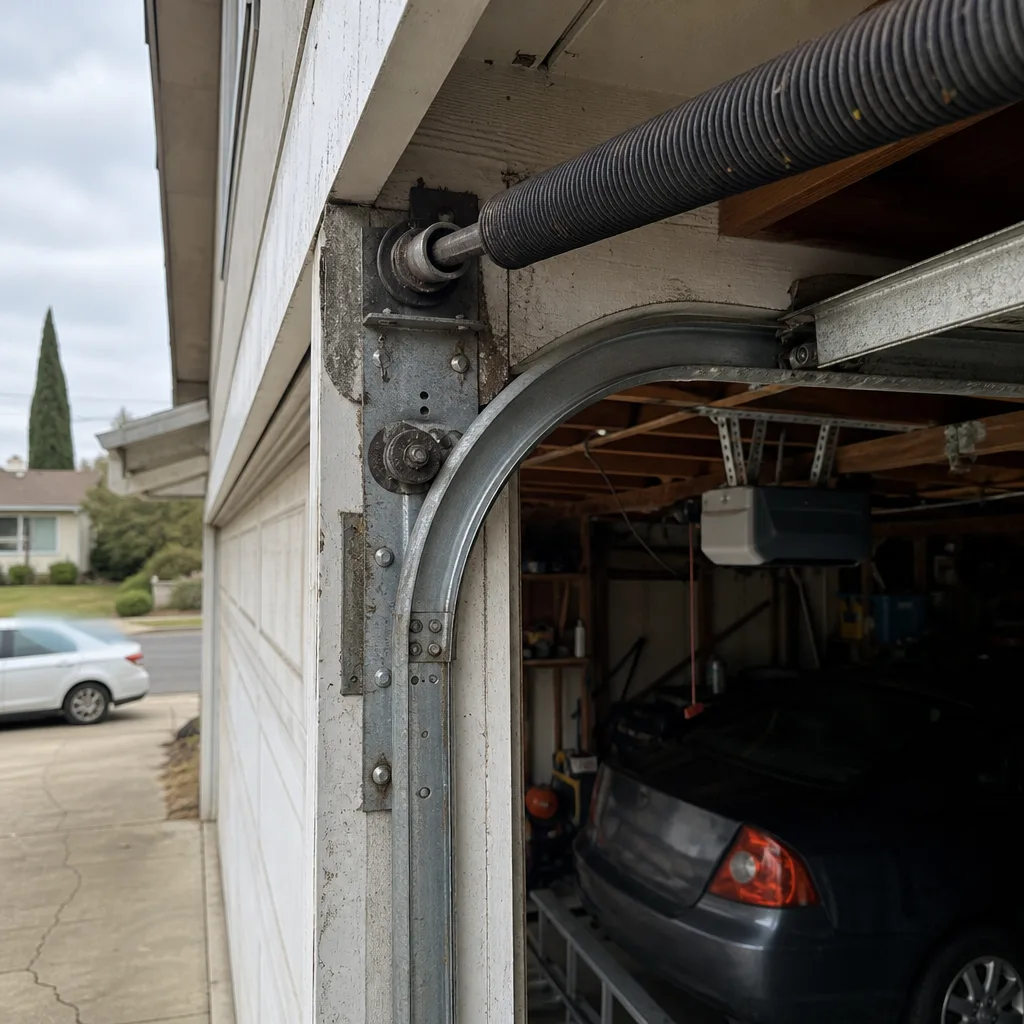
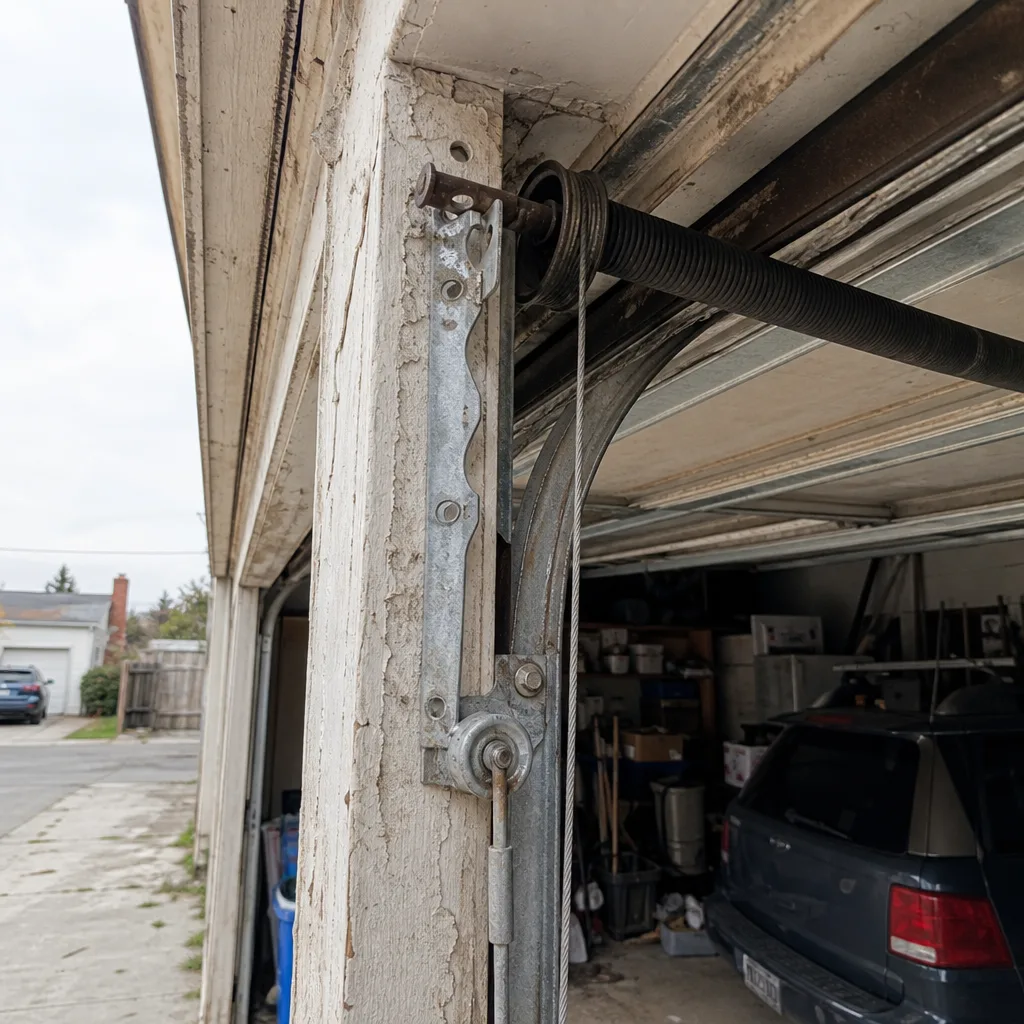
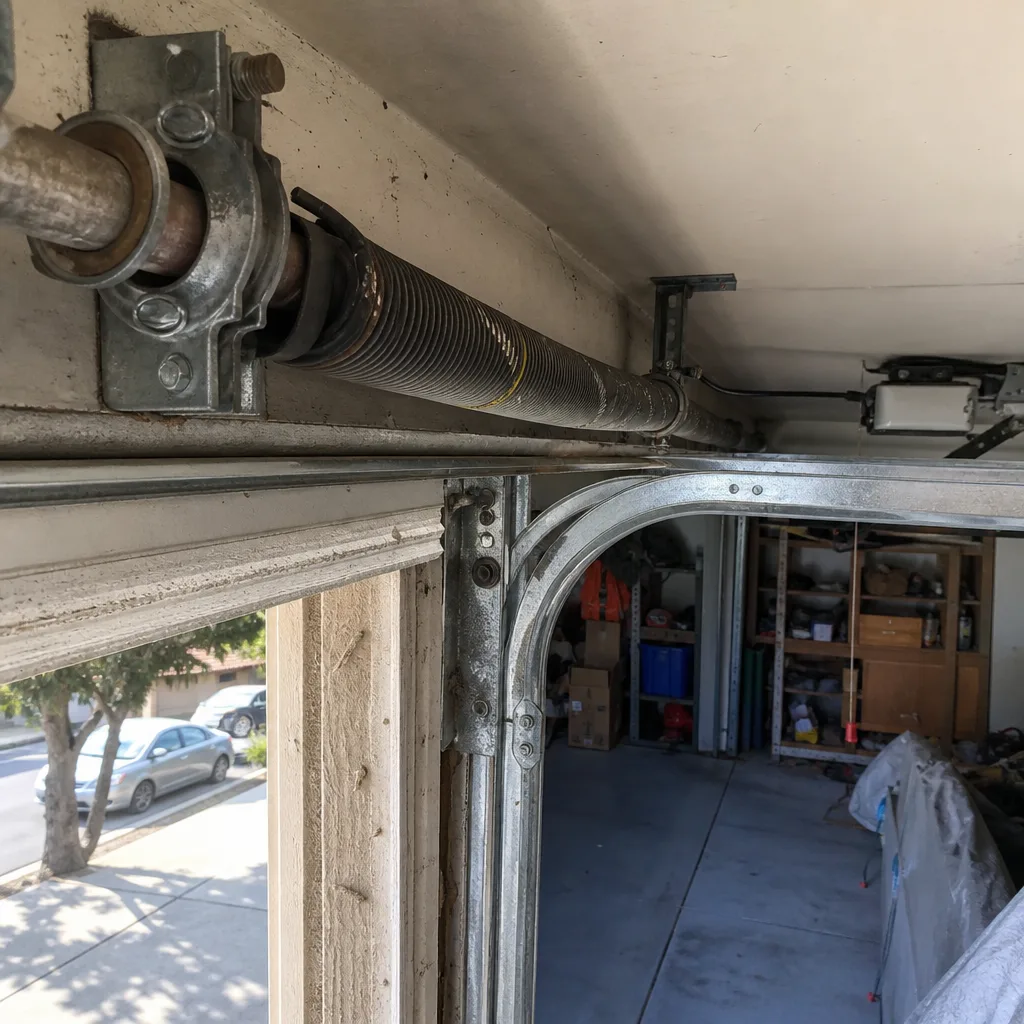 Before
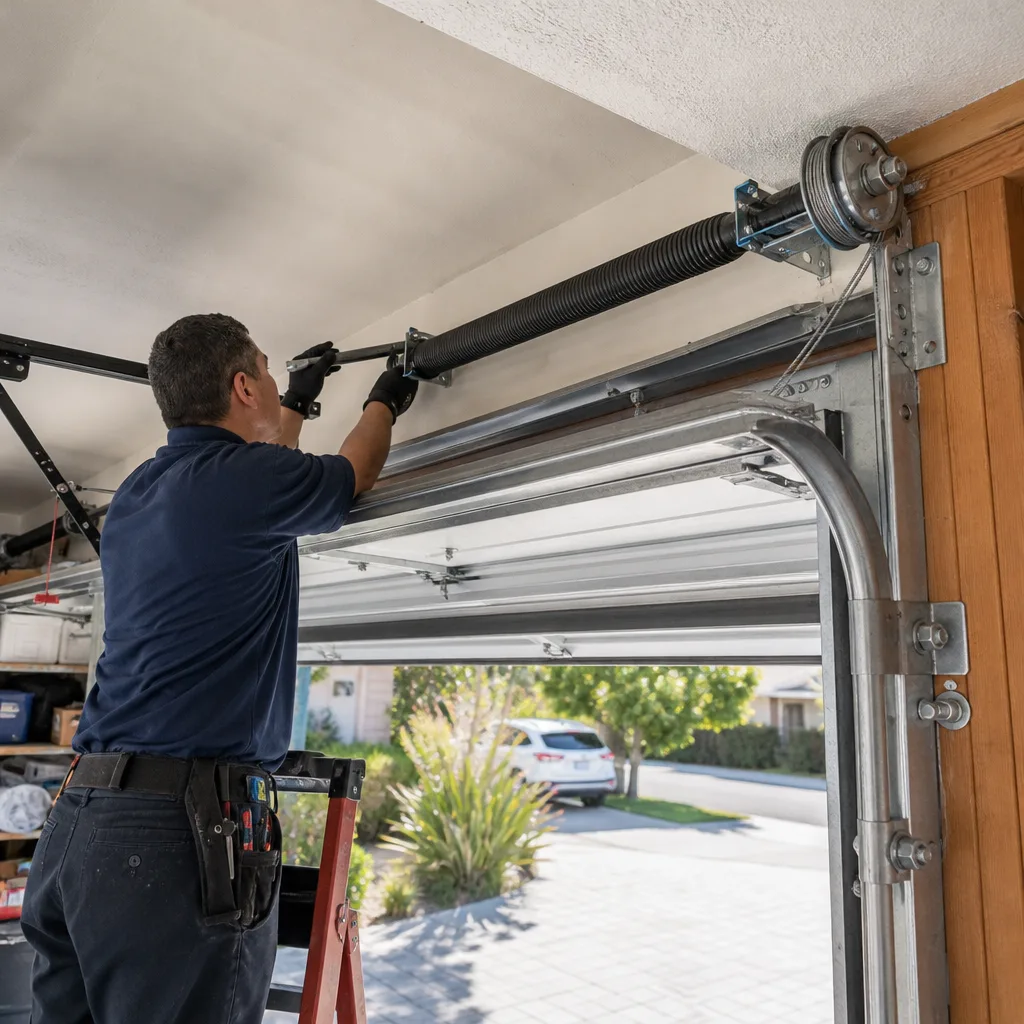
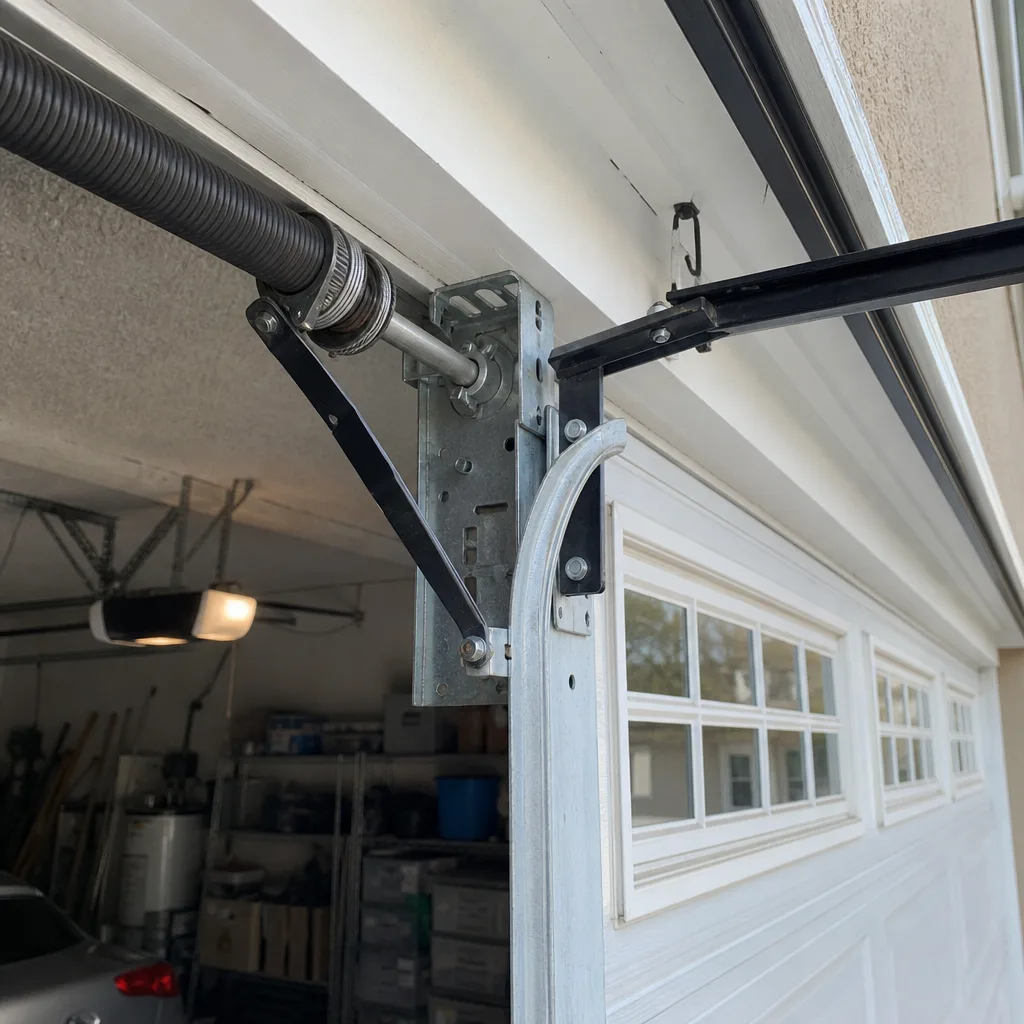
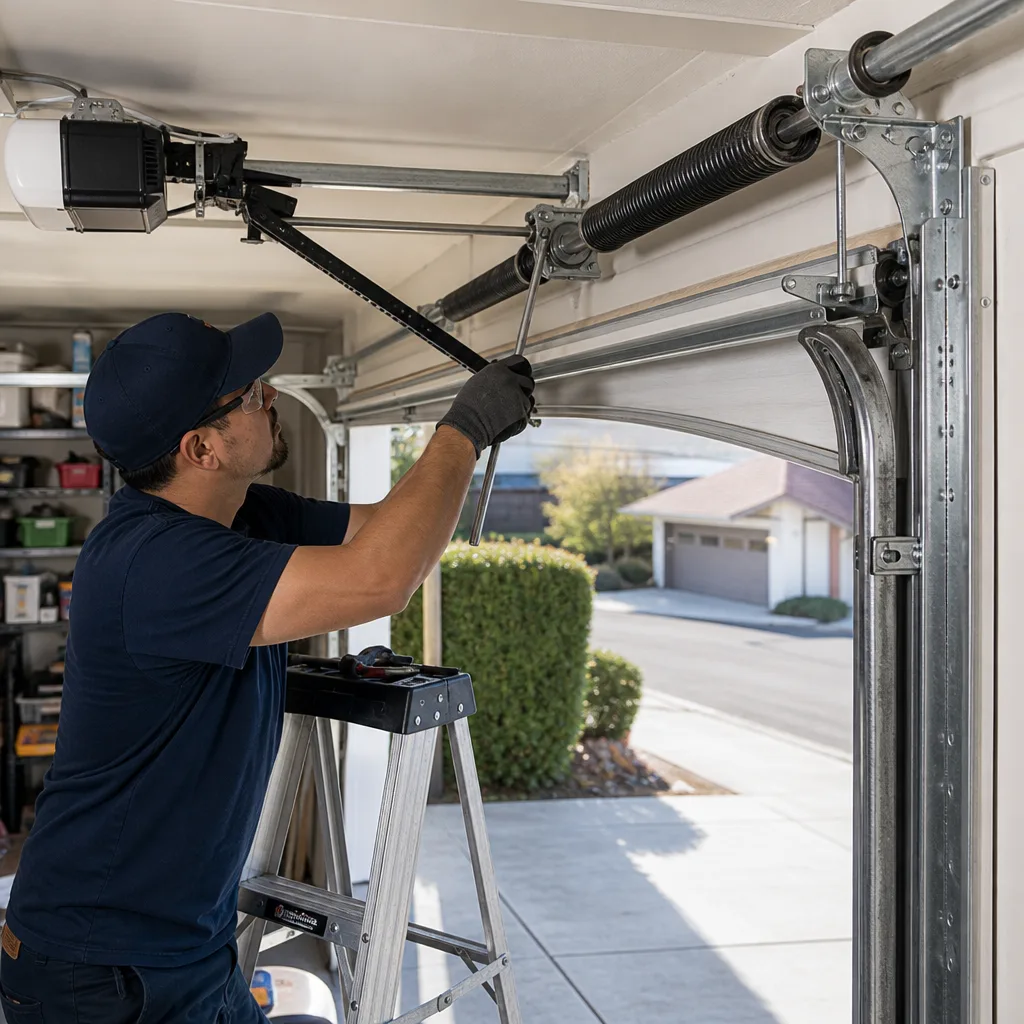 After
 Before
 After
 Before
 After