
Last updated October 31, 2026
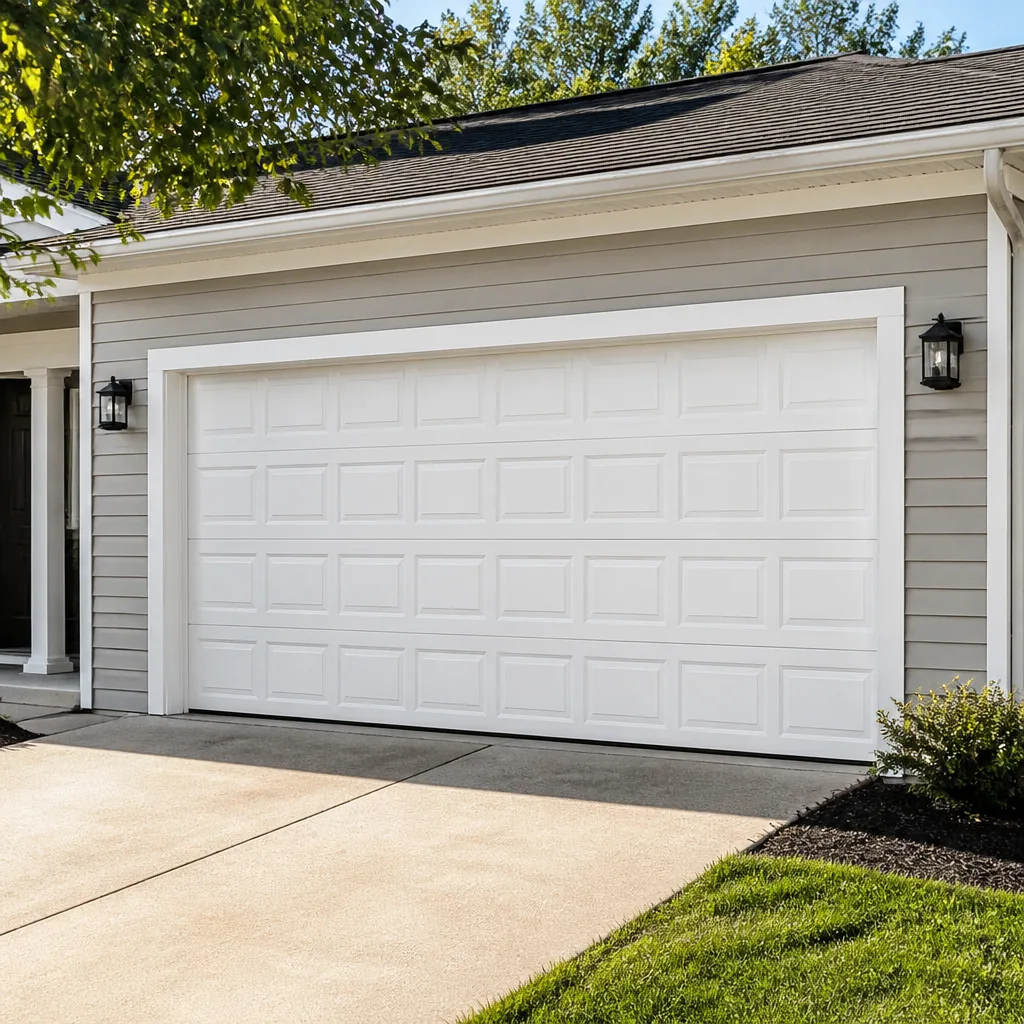 Raised-panel steel
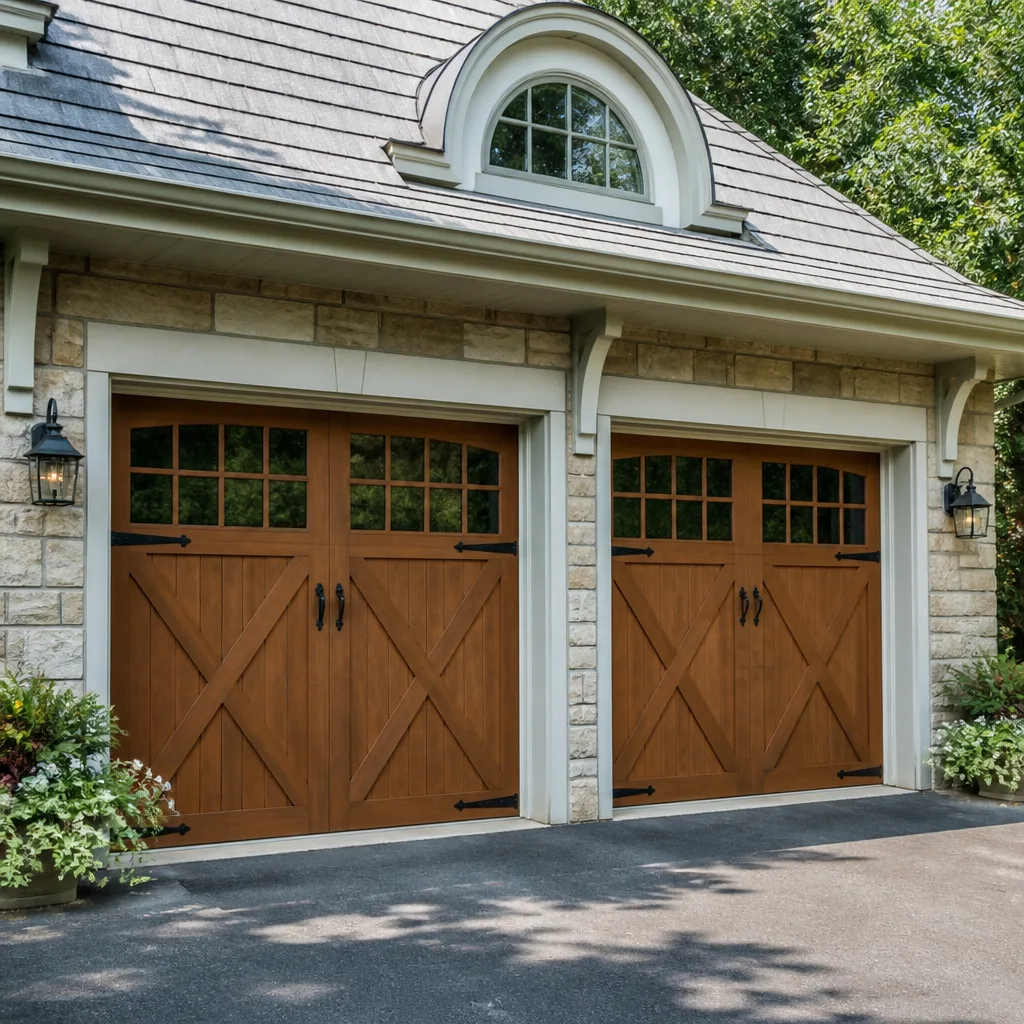 Carriage house
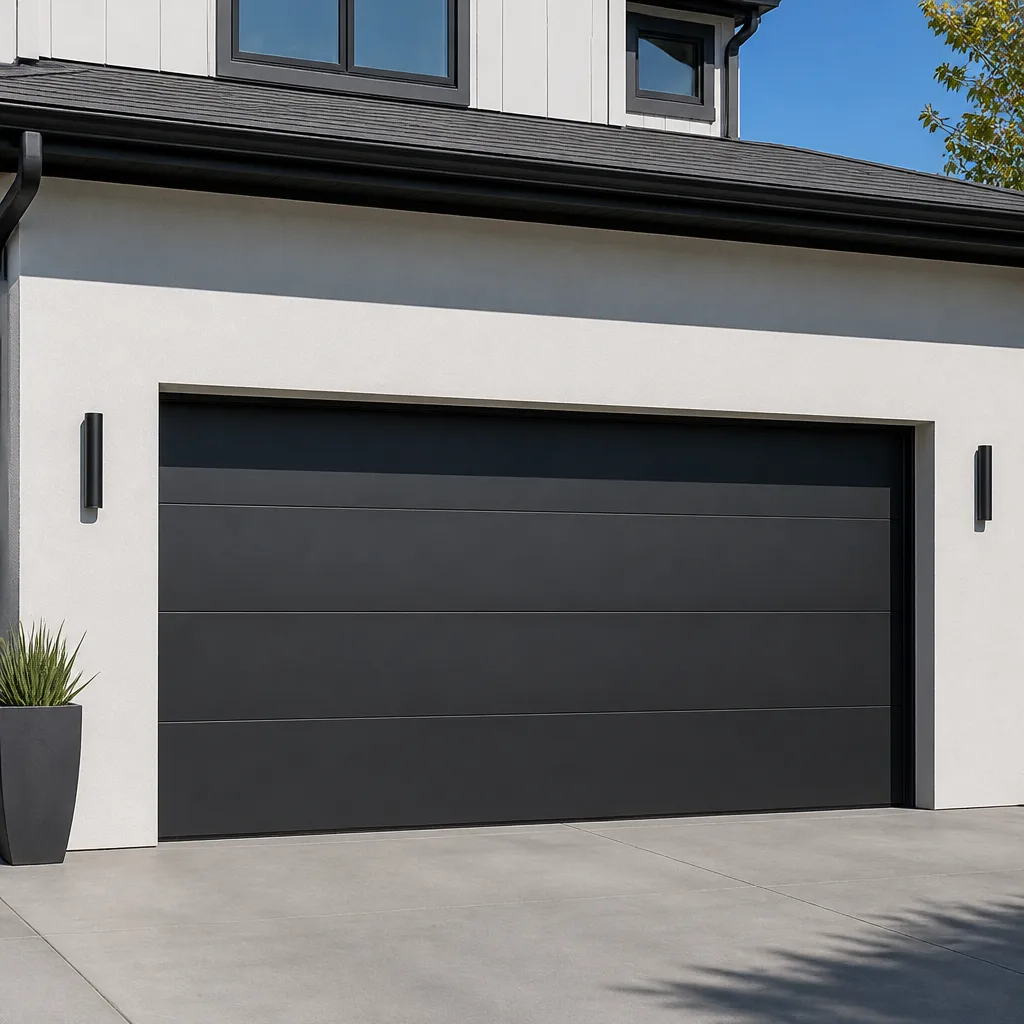 Modern flush
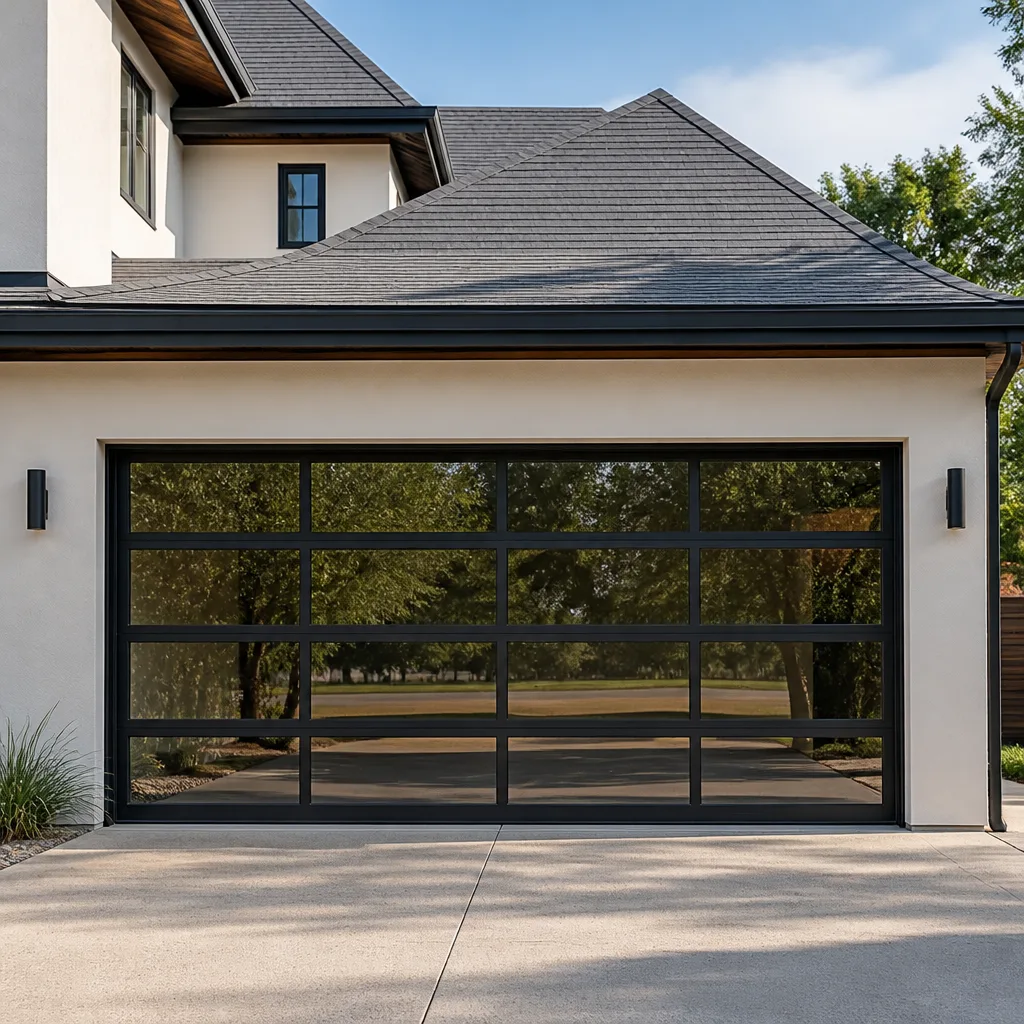 Full-view glass
 LiftMaster openers
 Chamberlain openers
Full 25-point door and opener safety check with every visit - springs, cables, rollers, tracks, and your LiftMaster or Chamberlain opener included
You get a price before we start. It does not change when the truck arrives.
Get your free estimateGarage Door Cost Breakdown: The Los Angeles Homeowner’s Reference for 2026
Los Angeles garage door pricing doesn’t follow the national pattern. Across the country, homeowners expect a spring replacement to land around $220 and an opener install near $450. In Los Angeles, those same jobs run 20-35% higher, but not evenly. Panel pricing in LA is surprisingly close to national averages because material costs track the same wholesale distributors. It’s the labor line items on openers and the markup on “standard hardware” that inflate LA quotes. This guide breaks down exactly what each repair and replacement should cost at 2026 rates, which line items are legitimately higher in Los Angeles, and which ones signal padding. For more guides & resources, see our blog. If you’re about to pay for garage door work anywhere from Santa Monica to Pasadena, knowing the difference saves you hundreds.
Styles & brands we work with
Quick Answer
Garage door repair in Los Angeles typically costs $180-$340 for a torsion spring replacement, $150-$280 for cable replacement, $120-$220 for roller replacement, and $550-$950 for a complete opener installation including labor. Expect to pay roughly 20-35% above national averages on labor-heavy jobs, while material costs for panels and hardware stay close to national pricing. Always confirm the service call fee is credited toward the repair, not billed in addition to it.
Table of Contents
- The LA Pricing Reality: Why Your Quote Looks Different From National Averages
- Torsion Spring Replacement: The Most Common LA Repair and Its True Cost
- Cable and Roller Replacement: Labor-Heavy Jobs Where DIY Gets Tempting
- Opener Installation by Brand: LiftMaster, Genie, and Chamberlain Pricing in LA
- The Service Call Fee: What It Should Include in Los Angeles
- Material vs. Labor Ratios: Which Jobs Are Parts-Heavy and Which Are Labor-Heavy
- How to Compare Dissimilar Quotes: A Normalization Framework
- When the Cheapest Quote Is the Right Choice (and When It Signals Cut-Rate Parts)
- Common Mistakes to Avoid
- When to Call a Professional
- Frequently Asked Questions
- The Bottom Line
The LA Pricing Reality: Why Your Quote Looks Different From National Averages
The $79 service call advertised on Google is real. It gets a technician to your driveway. What it doesn’t cover is the $340 in “standard hardware” that appears on the invoice, billed at two times wholesale. This is the single most common pattern we see in Los Angeles garage door quotes, and it’s not illegal. It’s just not transparent. Understanding what each line item should cost at 2026 rates is the only way to know whether you’re being fairly charged or quietly subsidizing someone’s Google Ads budget.
Los Angeles runs higher than national averages for three structural reasons. First, commercial lease rates for shop space anywhere within 30 miles of downtown push overhead onto every service business. A technician working out of a shop in Van Nuys or Gardena has higher fixed costs than one in Bakersfield or Riverside. Second, the valley-to-coast spread means drive time eats productive hours. A crew based near Downtown LA might spend 45-70 minutes in traffic between jobs, and that time gets priced into labor rates. Third, LA County’s older housing stock means more aging doors, more corrosion from marine-layer exposure near the coast, and more systems that were installed before modern safety standards. Older hardware takes longer to diagnose and often requires retrofitting rather than direct part swaps.
Labor on opener installation and wiring runs roughly 30% above national rates in Los Angeles. Panel pricing, by contrast, tracks wholesale distributor pricing that’s competitive nationally. This means a new steel panel section in LA costs about what it costs in Phoenix. But the labor to hang it, balance it, and align the track runs higher. When you’re reviewing a quote, know which column you’re reading. The materials column should look familiar. The labor column is where LA market forces show up, and it’s also where padding hides.
One more Los Angeles-specific factor: coastal properties within about three miles of the ocean deal with salt-air corrosion on springs, cables, and roller bearings. Technicians serving Venice, Mar Vista, and Long Beach regularly replace hardware that’s prematurely rusted. This isn’t a sales tactic. It’s environmental reality, and it means coastal homeowners should budget for more frequent hardware replacement cycles than inland homeowners in Glendale or Pasadena.
Torsion Spring Replacement: The Most Common LA Repair and Its True Cost
A torsion spring replacement in Los Angeles costs $180-$340 per spring at 2026 rates, with most single-spring jobs landing around $240-$280 including labor. Two-spring systems, standard on doors 16 feet and wider, run $320-$520 for both springs replaced together. This is the highest-frequency repair in the city because torsion springs are rated for a finite number of cycles, typically 10,000 cycles for standard springs and up to 25,000 for high-cycle springs. In a city where many households use the garage as the primary entrance, meaning the door cycles four to eight times per day rather than twice, that lifespan gets consumed twice as fast as national averages.
Spring quality drives price more than any other factor. Standard 10,000-cycle springs cost $50-$80 wholesale. High-cycle 25,000-cycle springs run $90-$140. The difference in lifespan is meaningful: a high-cycle spring lasts 2.5 times longer under identical usage. If you plan to stay in your Los Angeles home more than five years, the upgrade usually pays for itself. If you’re selling within two years, standard springs are the rational choice.
Here’s the actual line-item breakdown for a representative LA single-spring job:
- Spring (standard, 10,000-cycle): $60-$90
- Labor (including balance and safety check): $120-$180
- Service call fee (if applied, should be credited): $49-$79
- Total realistic range: $220-$320
Anything above $340 for a single standard spring replacement should prompt you to ask exactly what spring is being installed and whether the service call fee is being credited toward the labor or billed separately. In our experience working on doors across Los Angeles, we’ve seen quotes as high as $480 for a single-spring job, and the difference almost always traces to either a premium hardware line item or a service fee that never gets credited.
One technical note that matters in Los Angeles specifically: many older homes in neighborhoods like Silver Lake, Echo Park, and West Adams have non-standard door heights or retrofit track systems. When a spring breaks on one of these, the replacement isn’t always a direct swap. Technicians may need to re-tension a system that was never properly balanced, which adds 20-40 minutes of labor. This is legitimate work, not padding. But it should be explained on the invoice, not buried in a vague line item.
Safety note worth stating plainly: torsion springs are under enough tension to cause serious or fatal injury when mishandled. A broken spring is not a weekend project. The winding and unwinding of torsion springs requires specialized bars and precise technique. We mention this not to scare homeowners, but because we’ve seen the aftermath of DIY attempts. If your spring is broken, call someone who does this work professionally, whether it’s us or another qualified shop. The cost of a professional replacement is a fraction of the cost of an emergency room visit or a door that comes off its track and falls.
Cable and Roller Replacement: Labor-Heavy Jobs Where DIY Gets Tempting
Cable replacement in Los Angeles runs $150-$280 per side, and roller replacement runs $120-$220 for a full set of 10-12 rollers. These are the two repair categories where the labor-to-material ratio is most lopsided, and that lopsidedness is exactly what makes homeowners wonder if they should do it themselves. A set of nylon rollers costs $20-$40 wholesale. A pair of cables costs $15-$30. The rest of your invoice is labor, and in Los Angeles that labor is priced at $90-$140 per hour depending on the shop and the neighborhood.
This is where affordability and risk intersect. Roller replacement is genuinely DIY-viable if you’re mechanically inclined and you understand one critical fact: the bottom rollers on a standard lift system are under spring tension even when the door is closed. You cannot simply pop out a bottom roller without releasing that tension, and releasing that tension on a torsion system without the right tools and training is how people get hurt. Top rollers, by contrast, unbolt from the bracket and slide out. Nylon rollers with sealed bearings, like the ones made by Raynor for their commercial-grade line and by third-party manufacturers like DURA-LIFT, are the standard upgrade over the steel rollers that come on many builder-grade doors.
Cable replacement is a different story. Cables run through a pulley system that’s under constant tension, and a broken cable usually means the door has been operating unevenly for weeks or months. That uneven operation means the track alignment and spring balance should be checked as part of the repair, not just the cable swapped. A technician who replaces a cable without checking balance is setting you up for another cable failure within a year. This is where the multi-brand experience matters: a Wayne Dalton TorqueMaster system, for instance, uses different cable routing and tensioning than a standard torsion system, and a Craftsman door from the early 2000s may have cable drums that are no longer manufactured and need a retrofit kit. A generalist who doesn’t know the difference can create a dangerous situation and call it fixed.
Here’s the honest assessment, framed in Los Angeles terms:
- Roller replacement, top rollers only: DIY-viable. Expect to pay $30-$50 in parts and an afternoon of careful work.
- Roller replacement, including bottom rollers: Call a professional unless you’ve released torsion spring tension before and have the proper winding bars. The labor cost in LA, roughly $100-$160 for the full job, is reasonable insurance.
- Cable replacement, any side: Call a professional. The tension involved and the follow-on adjustments needed make this a poor DIY candidate.
One Los Angeles-specific data point on rollers: homes within the coastal fog belt, roughly everything west of the 405 from San Pedro up through Pacific Palisades, see roller bearing failure at roughly twice the rate of inland homes. Salt air works into the bearing seals and degrades the grease. If you live in that zone and your door is 10-plus years old with original rollers, budgeting for a roller upgrade to sealed-bearing nylon units is a smart preventive move, even if nothing is failing yet.
Opener Installation by Brand: LiftMaster, Genie, and Chamberlain Pricing in LA
A complete opener installation in Los Angeles runs $550-$950 including the unit, labor, and haul-away of the old opener, at 2026 rates. The spread is driven mostly by the opener brand and model, and secondarily by whether your garage needs any wiring upgrades or mounting reinforcement. Belt-drive openers from LiftMaster, including the popular 87504 and 81650 models, install for $650-$900 in LA. Chamberlain’s belt-drive models, which share a parent company with LiftMaster but position at a slightly lower price point, run $550-$750 installed. Genie’s belt-drive line, including their integrated battery-backup models, lands in the $600-$800 range. Chain-drive units from any of these brands save you roughly $80-$150 but trade that savings for noise, which matters if you have a bedroom above or adjacent to the garage.
Here’s where the LA market diverges from national norms. In most of the country, the opener itself represents about 55-60% of the installed price. In Los Angeles, labor runs higher, so the unit drops to about 45-50% of the total. A $300 LiftMaster opener carries a $350-$450 labor line item in LA, versus $250-$300 in Phoenix or Dallas. This means the gap between a budget opener and a premium opener gets compressed in LA. Spending $100 more on the unit is a smaller percentage of the total job, which actually argues for buying the better opener here. The premium unit’s features, battery backup, quieter operation, smart-home integration, better DC motors, get disproportionately cheaper relative to total job cost when LA labor is factored in.
Smart opener installation adds $75-$150 beyond standard install, mostly for Wi-Fi setup, app configuration, and sometimes a garage door sensor recalibration. MyQ-compatible LiftMaster and Chamberlain units are worth this cost if you use Amazon Key deliveries or want remote monitoring. Genie’s Aladdin Connect system offers similar features. If you’re replacing an opener from before about 2010, you may need new safety sensor wiring, and if your garage lacks a dedicated outlet near the opener, an electrician’s visit adds $150-$300. Some garage door companies in Los Angeles won’t touch electrical work, which means you’d coordinate two vendors. This is one area where working with a company that handles the full opener system in-house saves real coordination time. Before scheduling, review our Garage Door Permits, Codes & Inspections in CA: What You Need to Know to ensure your install meets local requirements:
Garage Door Opener Repair in South Gate covers diagnostic and repair work on existing openers, but if you’re in Los Angeles proper and need a full replacement, the same multi-brand logic applies: choose a company that services your brand rather than one that only installs what they stock.
Here’s a realistic opener install price table for Los Angeles at 2026 rates:
- Chamberlain belt-drive (standard model): $550-$650 installed
- LiftMaster belt-drive (premium model, battery backup): $750-$950 installed
- Genie belt-drive (with integrated backup): $600-$800 installed
- Chain-drive (any major brand): $450-$600 installed
- Add smart-home setup: $75-$150
- Add new outlet or wiring: $150-$300 via electrician
The Service Call Fee: What It Should Include in Los Angeles
A legitimate service call fee in Los Angeles runs $49-$89, and it should be credited toward any repair you approve. That last part is the key. Many LA garage door companies charge a $79 diagnostic fee, then present a repair quote that includes a separate labor line item, effectively charging you twice for the same visit. The technician’s trip to your door is a real cost, but it’s a cost of doing business that should be folded into the repair, not billed as a line item on top of it. If a quote shows both a diagnostic fee and a trip fee, or a service call fee that doesn’t get subtracted from the final labor total, it’s worth calling that out directly.
What should the service call fee cover? In a standard LA home, it should cover the technician’s drive time, initial inspection, diagnosis of the problem, a written or verbal estimate, and a basic safety check of the door balance and track alignment. It should not cover parts or the labor for the actual repair. Think of it as the fee for a professional to put eyes on your door and tell you exactly what’s wrong. Some companies waive it entirely when you approve the repair on the same visit. Others don’t, and that’s fine, as long as it’s credited toward the work.
One pattern that shows up regularly in Los Angeles, especially with companies that spend heavily on Google Ads, is the $29 or $49 “inspection” that turns into a high-pressure replacement pitch. The inspection fee is real, but the quote that follows often includes a “hardware package” of $250-$400 that’s vaguely described. Ask what’s in the package. A standard hardware kit, hinges, brackets, rollers, fasteners, runs $50-$80 wholesale. At two-and-a-half times markup, that’s $125-$200. At $400, you’re being charged for something else, likely the cost of acquiring you as a customer through paid ads.
Also worth knowing: Los Angeles has no citywide regulation on service call fee disclosures, so practices vary by company. In adjacent cities served by our Garage Door Repair in South Gate operation, we see the same patterns. Your best protection is to ask one direct question before scheduling: “Is the trip fee credited toward the repair if I approve it?” If the answer is no or evasive, that tells you something.
Material vs. Labor Ratios: Which Jobs Are Parts-Heavy and Which Are Labor-Heavy
Every garage door job breaks down into materials and labor, and the ratio between those two columns should change your decision-making. In Los Angeles, understanding this ratio matters more than in most cities because labor rates vary more within the metro area than they do in smaller markets. A shop based in Santa Monica may charge $130 per hour for labor while one in Van Nuys charges $95, but both pay the same wholesale price for a spring or a set of cables. Knowing which jobs are parts-heavy means you can compare material quality directly and ignore labor differentials. Knowing which are labor-heavy means the shop’s rate and efficiency matter more than anything else.
Parts-heavy jobs in LA at 2026 rates:
- Torsion spring replacement: 55-65% parts, 35-45% labor. The spring itself is the dominant cost. Compare spring brand and cycle rating across quotes.
- Opener replacement: 45-55% parts, 45-55% labor. The opener unit is the dominant cost. Look for the exact model number on the quote.
- Panel section replacement: 70-80% parts. Labor is minimal since sections bolt into existing track. Material pricing is competitive in LA, so this is where shopping by part number works.
Labor-heavy jobs in LA at 2026 rates:
- Cable replacement: 20-30% parts, 70-80% labor. The cables are cheap. The labor to re-route, tension, and rebalance is the entire job.
- Roller replacement: 25-35% parts, 65-75% labor. Rollers are inexpensive. The labor to safely access bottom rollers under tension is the real work.
- Track realignment and repair: 10-20% parts, 80-90% labor. Track sections cost little, but getting a misaligned track back to true requires experience, patience, and precise measurement.
- Complete opener swap with wiring modifications: on the labor side when wiring is involved, even though the opener itself is parts-heavy. If a quote includes significant wiring work, the labor column grows fast.
Here’s the actionable takeaway. On parts-heavy jobs, you can shop by part specification. Ask for the exact spring brand and cycle rating, or the exact opener model number. Compare material quality apples-to-apples and let the labor be what it is. On labor-heavy jobs, the technician’s experience and the shop’s efficiency are all that matter. A technician who’s seen a hundred Wayne Dalton TorqueMaster systems in Los Angeles will diagnose and repair faster than a generalist who needs an extra hour to figure out the cable routing. That extra hour of labor at $120 per hour is often the difference between a fair quote and an inflated one, and it has nothing to do with markup.
If you’re planning a full replacement rather than a repair, Garage Door Installation in South Gate covers the full installation path with the same multi-brand approach. In Los Angeles proper, the material vs. labor math holds the same way: spec the door and hardware precisely, then let the labor be evaluated on the basis of the installer’s experience with your system type.
How to Compare Dissimilar Quotes: A Normalization Framework
Two Los Angeles garage door companies can quote the same job at $480 and $310 and both be honest. The difference is almost always in how they itemize, not in what they’re actually doing. One company bundles the service call fee, hardware, and labor into a single flat-rate price. Another lists each line item separately. Comparing them requires normalizing to a common structure, and the framework below is the simplest way to do that without being a garage door expert.
Step 1: Identify the core repair item and its specification. For a spring replacement, that means the spring’s brand, wire gauge, and cycle rating. For an opener, that means the exact model number. If a quote doesn’t specify the part, treat it as unspecified and penalize it in your comparison. Quotes with unspecified parts are the ones most likely to hide cut-rate hardware.
Step 2: Extract the material cost from each quote. Ask directly: what does the spring, opener, cable set, or roller set cost on its own? If a company won’t tell you the material cost separate from labor, that’s a red flag, not for dishonesty, but for a pricing model designed to prevent comparison.
Step 3: Calculate labor as the remainder. Total price minus material cost equals labor. Compare labor across quotes. If one shop’s labor is $340 for a job another shop does for $180 in labor, ask why. Sometimes the answer is legitimate, like a retrofit requirement or a two-technician crew. Often it’s simply that one company charges more and hopes you don’t notice.
Step 4: Add back any non-credited fees. A $49 service fee that’s not credited toward the repair is effectively an extra $49 of labor. Add it to your labor calculation.
Step 5: Check for hardware-kit padding. Line items like “standard hardware,” “installation kit,” or “comprehensive parts package” are often legitimate but need specification. A $250 hardware package should come with a list of what’s in it. A $400 one that’s described only as “necessary parts” is where LA quotes go wrong.
Here’s what this framework looks like on a real spring-replacement comparison:
- Quote A: $370 flat rate, unspecified spring. Service fee waived. On the surface, simple.
- Quote B: $310 + $69 service fee. Spring specified as a 225x2x26 high-cycle spring at $85. Labor itemized at $225. Service fee credited toward labor, making the effective total $310.
- Normalized comparison: Quote A’s unspecified spring could be a standard 10,000-cycle unit at $55 wholesale. Two or three years from now, you’ll pay again. Quote B’s high-cycle spring could last a decade. The $60 difference on the invoice is insignificant next to the lifespan difference.
This normalization takes about 15 minutes and it changes how you read quotes permanently. In Los Angeles, where the market is competitive and advertising costs push quote inflation, it’s the single most valuable skill a homeowner can develop before scheduling a repair.
When the Cheapest Quote Is the Right Choice (and When It Signals Cut-Rate Parts)
The cheapest quote is sometimes the smartest choice, and pretending otherwise would be dishonest. If you’re replacing rollers on a door you plan to sell within two years, a $120 full-set roller replacement with standard nylon rollers is a perfectly good decision. The same goes for a chain-drive opener on a garage that’s detached from the house and used only for storage. Spending $600 on a belt-drive LiftMaster with battery backup and Wi-Fi would be overpaying for a door you open twice a week. Cheap can be rational.
What’s not rational is cheap that comes from unlabeled parts. An $80 torsion spring replacement in Los Angeles is not a deal. It’s a sub-$20 spring that will need replacing again in a year or two, installed by someone whose labor rate only works if the job takes 20 minutes, which means corners got cut. The question that separates a fair low-bid from a cut-rate low-bid is simple and specific: what spring, what part number, and what cycle rating? A legitimate shop will tell you in 10 seconds. A shop that won’t is protecting you from information that would cost them the job.
Three specific questions to ask before signing with the cheapest bidder:
- “What brand and model is the part you’re installing?” If the answer is vague, that’s your answer.
- “What’s the warranty on the part and on the labor, and who honors it?” A spring with a five-year warranty from a company that will still exist in five years is different from a spring with a one-year warranty from a truck with a phone number.
- “Is there a written quote I can keep, with each line item priced separately?” If the answer is that the price is good today but changes once the job starts, walk away.
There’s one more Los Angeles-specific consideration. The cheapest quotes in this city often come from companies that run high-volume routes and schedule eight-plus jobs per day. That volume model works when the diagnosis is obvious and the fix is simple. But when a door has a subtle balance issue or an opener is failing intermittently, a high-volume technician under schedule pressure is more likely to sell you a replacement than to take the time to diagnose. The cheapest quote on a straightforward job is fine. The cheapest quote on a complex job is a bet that the problem is simple, and in a city full of aging doors with mixed-generation hardware, that bet loses more often than not.
We work on Craftsman doors from the 1990s, Raynor doors with discontinued track profiles, and LiftMaster openers with failing logic boards, because that’s what Los Angeles garage doors actually are. The experience of having seen a specific failure mode before translates directly to faster, more accurate quotes. If you’re comparing bids and one company asks what brand your door is while another doesn’t, notice that difference. It matters more than the price gap.
Common Mistakes to Avoid
- Approving a quote without a part specification. In Los Angeles, a quote that says “spring replacement” without a spring brand, size, and cycle rating is a quote you can’t verify. Ask for the specification or get another bid.
- Paying a service call fee that isn’t credited. A $79 diagnostic fee on top of a $300 repair is effectively a 26% surcharge you didn’t budget for. Confirm credit before the technician arrives.
- Replacing an opener instead of repairing it because one company said so. Some LA companies default to replacement on any opener over five years old. A functioning LiftMaster with a bad capacitor is a $120 repair, not a $700 replacement. Get a second opinion if the diagnosis seems fast.
- Choosing the most expensive spring assuming it’s “better.” High-cycle springs are worth it if you’ll stay in the home five-plus years. If you’re selling sooner, standard springs are the financially correct choice. Don’t let anyone upsell you into longevity you won’t use.
- Ignoring the coastal corrosion factor. If you live within three miles of the ocean in Los Angeles and your rollers or cables fail, replace them with corrosion-resistant hardware. Standard steel parts will fail again sooner.
- Focusing on total price rather than material vs. labor split. A $400 job with $250 in parts and $150 in labor is often a better value than a $350 job with $60 in parts and $290 in labor. Know what you’re paying for.
- Skipping the balance check during any spring or cable repair. In Los Angeles, where many doors have been patched rather than properly serviced, a repair that doesn’t include a balance check leaves the door prone to premature failure of the new parts.
When to Call a Professional
Any job involving torsion springs, cables under tension, or a door that’s come off its track warrants a professional, and in Los Angeles, the math is straightforward: a professional repair costs $150-$350, while the damage from a dropped door or a broken cable under tension can run into the thousands. If you hear a loud bang from the garage, if the door won’t stay open, if one cable is frayed or dangling, or if the opener runs but the door barely moves, stop using the door and call someone who does this work daily. The tension in a garage door system is enough to sever fingers or worse, and no amount of YouTube confidence changes that.
For Los Angeles homeowners, the test is simple: if the job involves releasing spring tension, re-routing cables, or rehanging a door panel, it’s professional territory. Onyx Garage Door Service home covers the full spectrum of residential garage door work across Los Angeles, from multi-brand repair to full new installation, and we offer free estimates. Call (877) 588-8251 and we’ll walk through the problem, the likely repair, and an honest price range before we ever schedule a visit.
Frequently Asked Questions
Expect to pay $180-$340 for a single torsion spring replacement in Los Angeles, and $320-$520 for a two-spring system, including labor. The spring’s cycle rating is the biggest price driver: high-cycle springs cost more but last 2.5 times longer. Call (877) 588-8251 for an exact quote on your specific door, estimates are free.
Yes, $49-$89 is the normal range for a Los Angeles service call, but it should be credited toward any repair you approve. If a company charges a diagnostic fee and then bills labor separately without crediting the trip, you’re paying twice for the same visit. Ask about fee credit before scheduling.
Top rollers can be replaced by a careful DIYer, but bottom rollers sit under spring tension and require specialized tools and technique to replace safely. The $120-$220 a Los Angeles professional charges for full roller replacement is reasonable insurance against serious injury.
Labor rates in Los Angeles run roughly 30% above national averages for opener installation due to shop overhead, drive time between jobs, and the higher cost of doing business in the LA metro. The opener unit costs the same, but the labor line item is where the LA premium shows up. Expect $550-$950 for a complete opener install in LA at 2026 rates.
Normalize the quote by asking for the material cost separately from labor, then confirm the service call fee is credited and the parts are specified by brand and model. A fair LA quote will itemize the spring or opener, show labor as a separate line, and credit any diagnostic fee toward the repair. Quotes that won’t itemize are harder to verify.
Homes within about three miles of the ocean, from San Pedro through Pacific Palisades, experience salt-air corrosion that shortens the life of springs, cables, and roller bearings. Corrosion-resistant hardware and sealed-bearing nylon rollers are worth the modest premium in these neighborhoods to avoid premature failure. Call (877) 588-8251 to discuss your specific door’s exposure and the right hardware for it.
The Bottom Line
Los Angeles garage door pricing runs 20-35% above national averages, but the premium is concentrated in labor, not materials. A spring that costs $80 wholesale in Phoenix costs $80 wholesale in LA. What changes is the labor to install it, and the structure of the quote you’re handed. Knowing the service call fee should be credited, knowing the difference between a standard and high-cycle spring, and knowing which jobs are parts-heavy versus labor-heavy gives you the leverage to evaluate quotes on their actual substance rather than their sticker price. Ask for part specifications. Normalize the line items. And if a quote won’t hold up to those questions, get another one.
Written by the team at Onyx Garage Door Service, serving Los Angeles since 2014.
See the difference
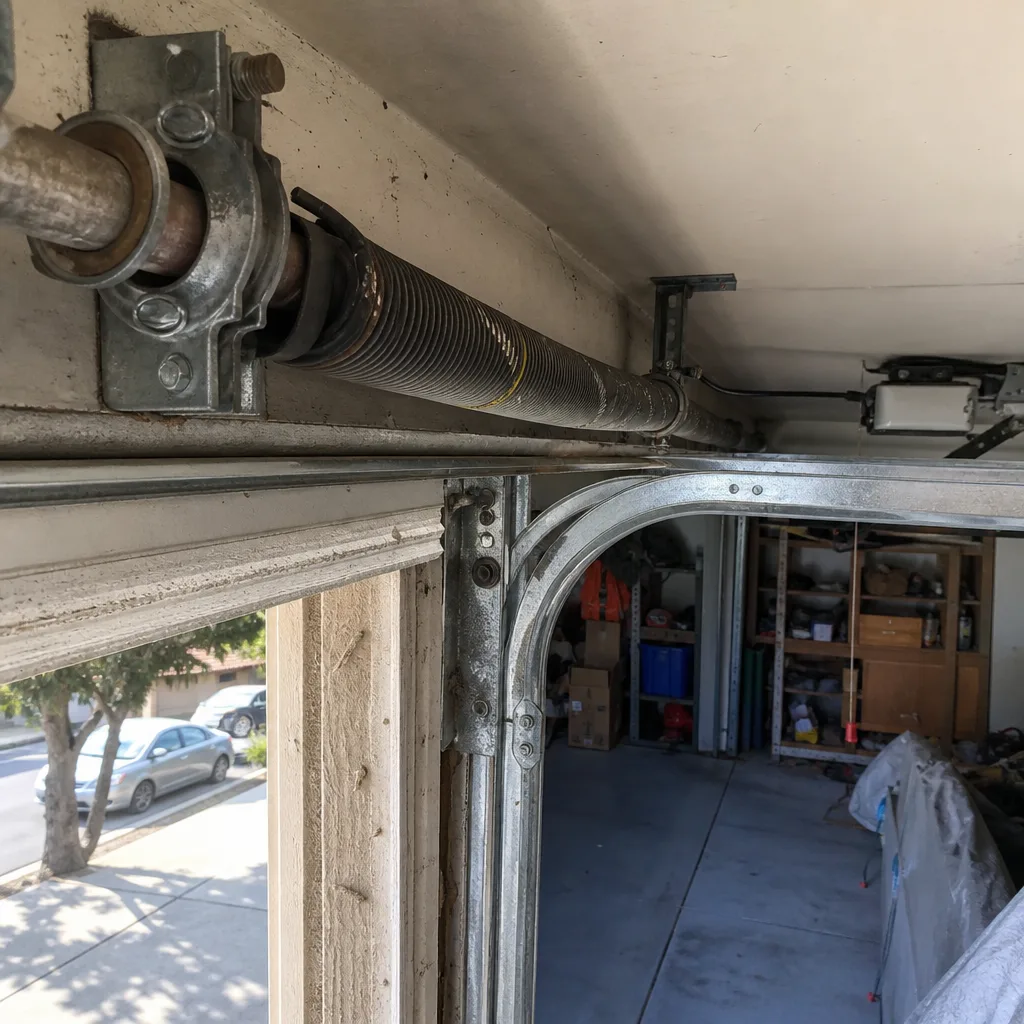 Before
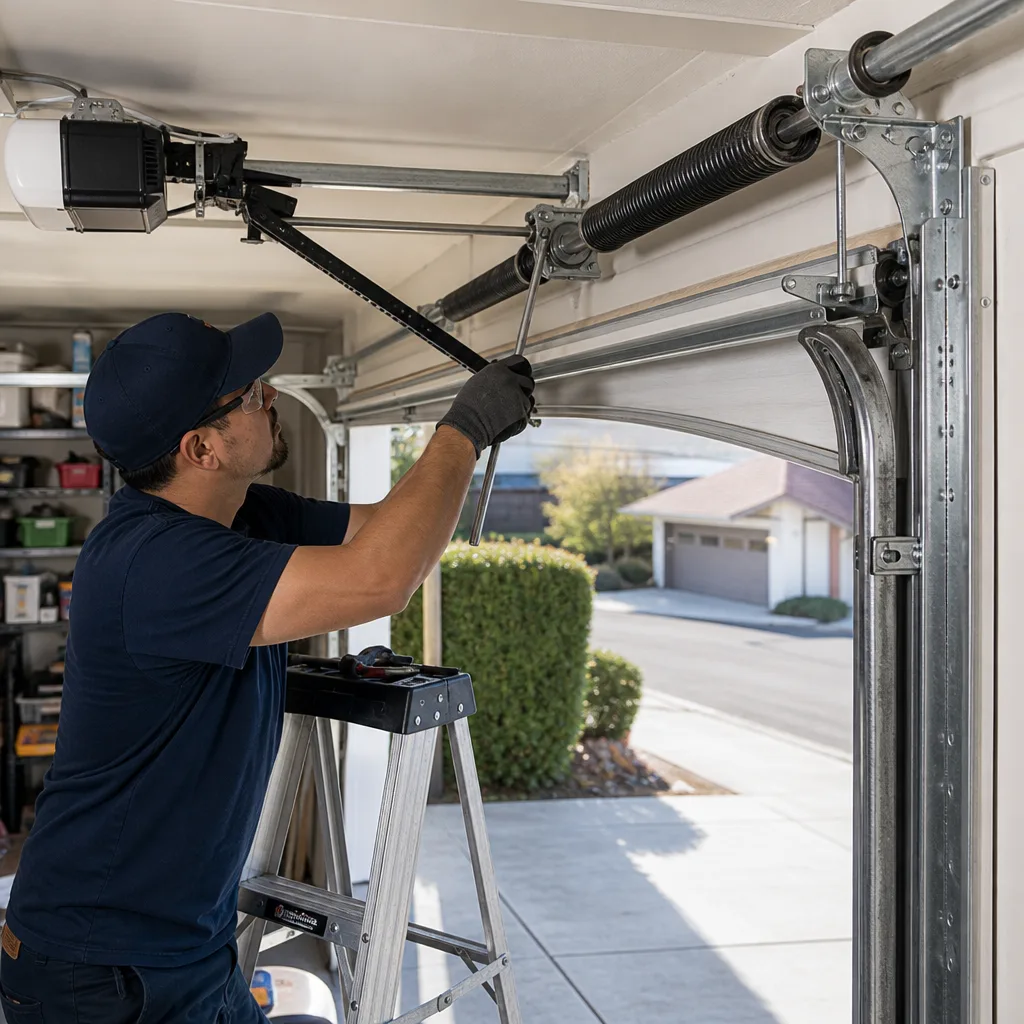 After
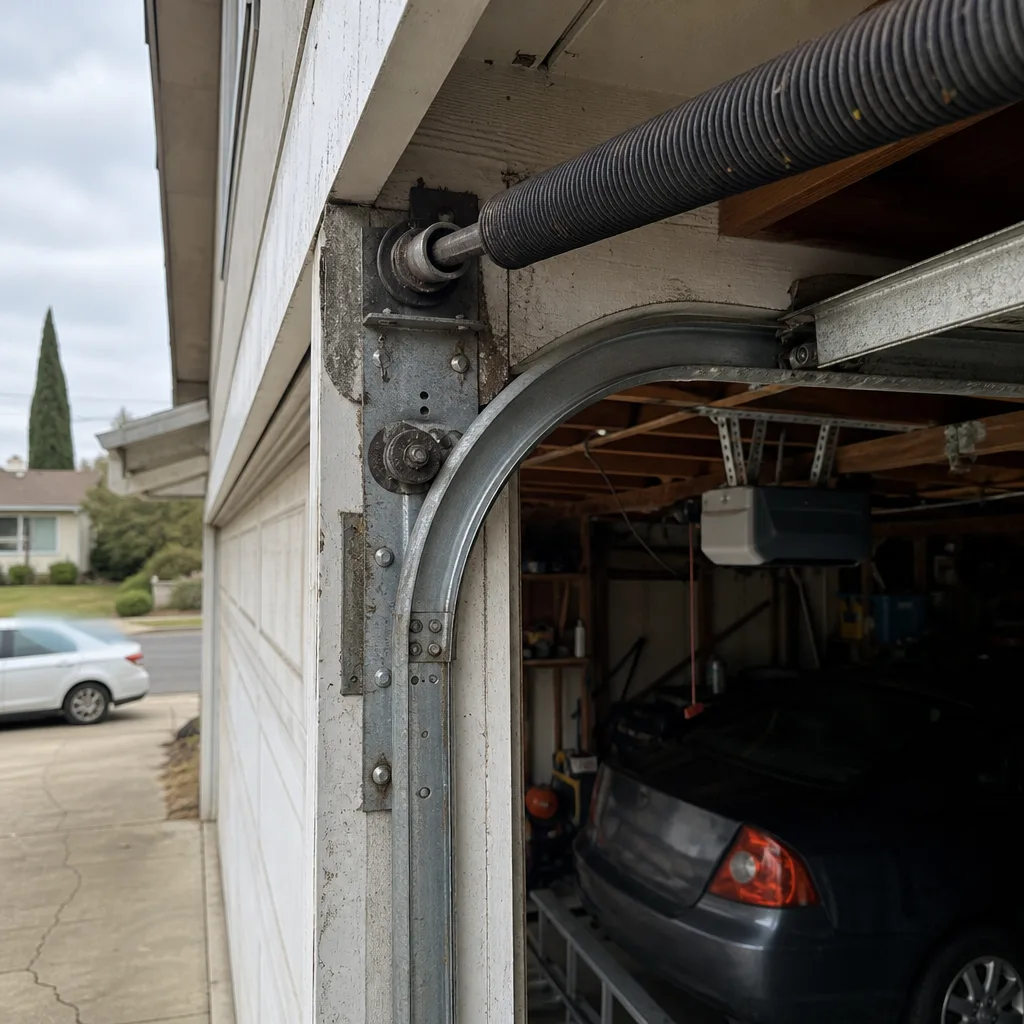 Before
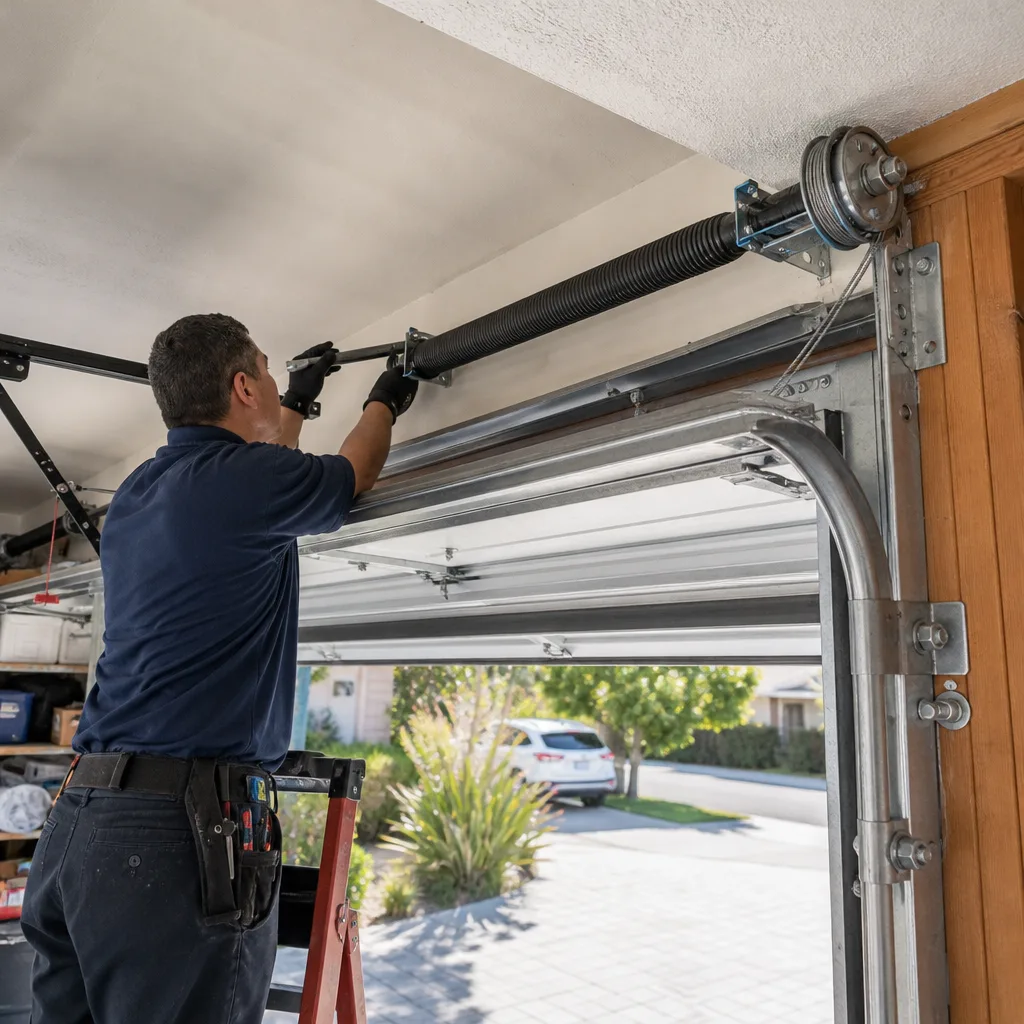 After
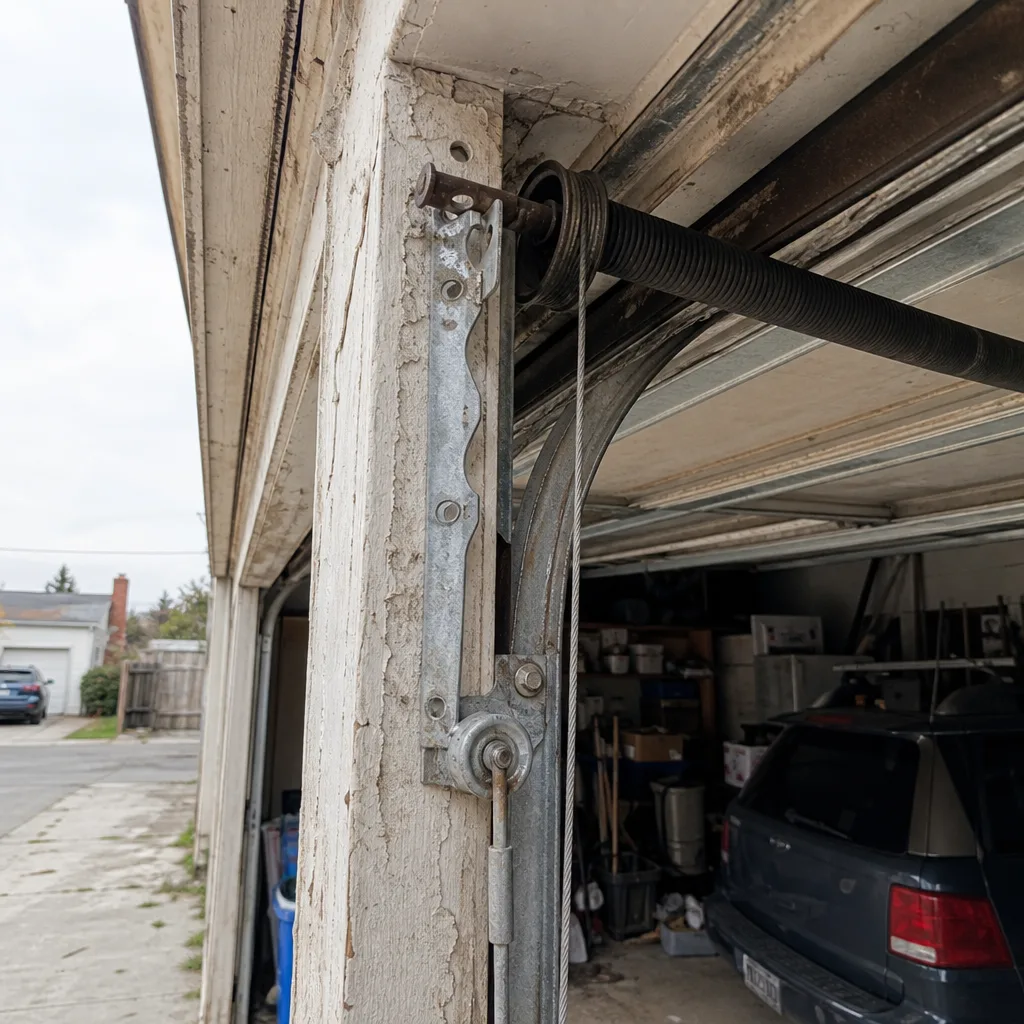 Before
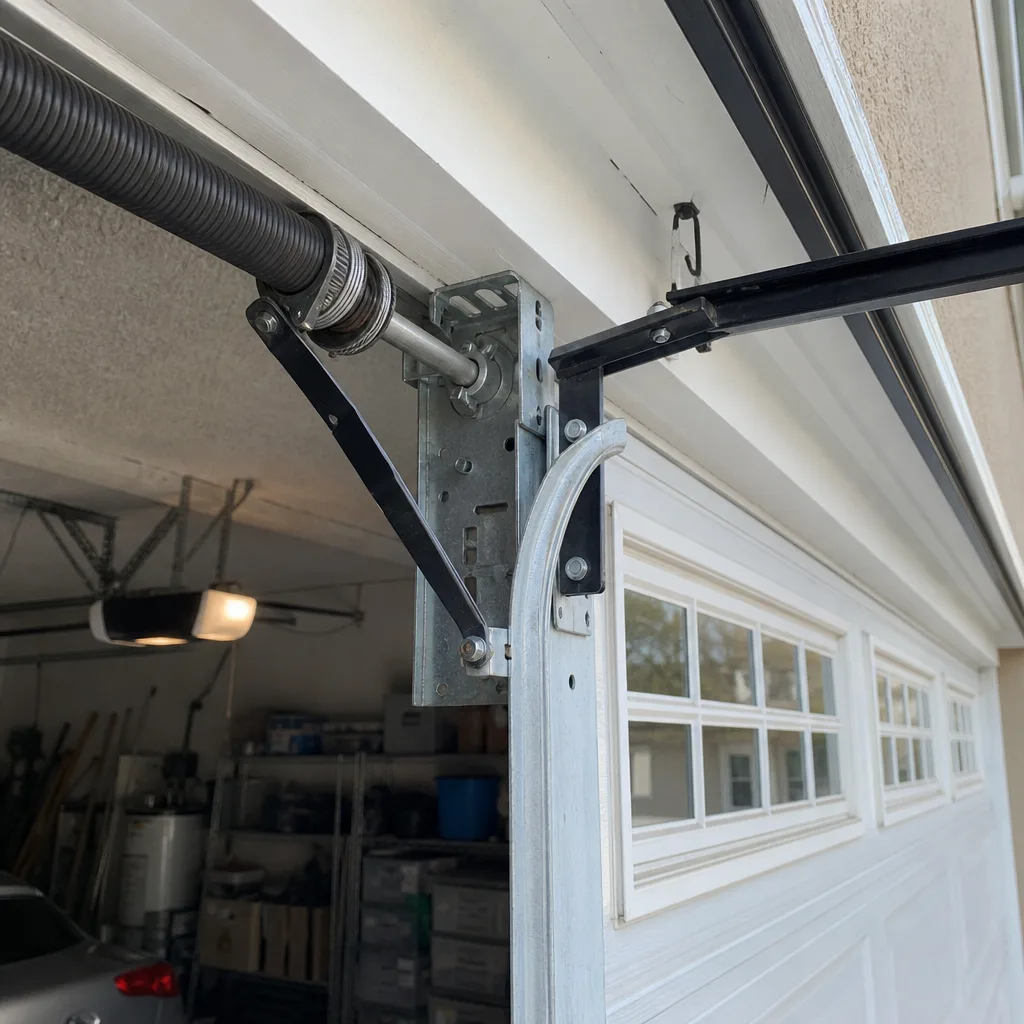 After