
Last updated October 31, 2026
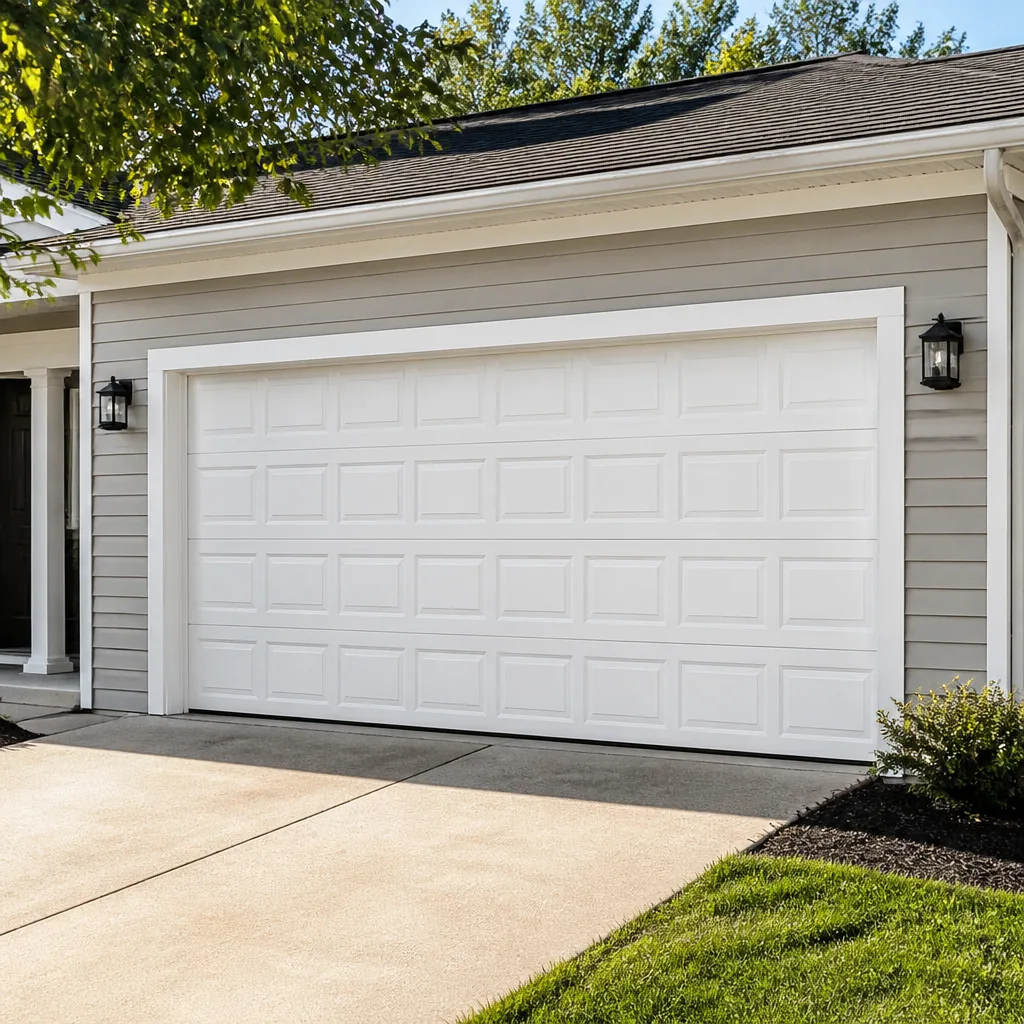 Raised-panel steel
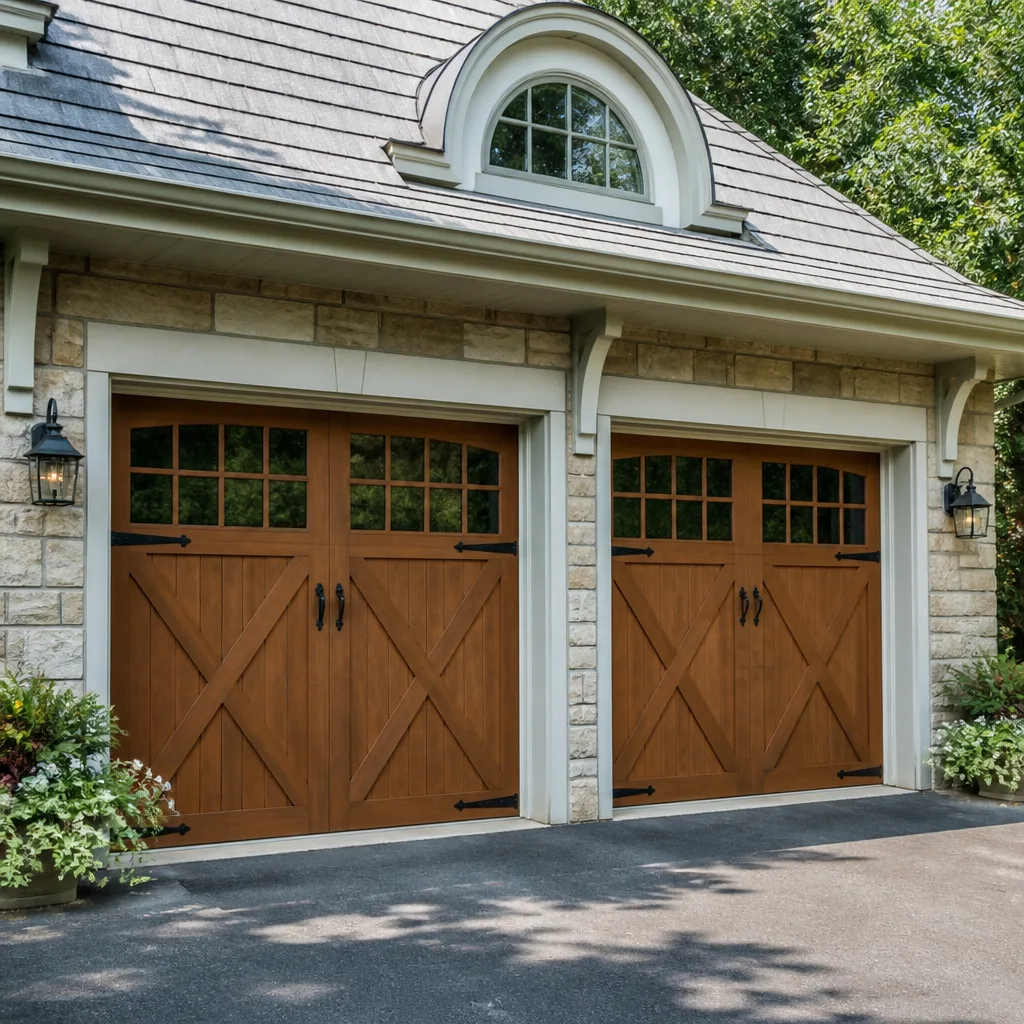 Carriage house
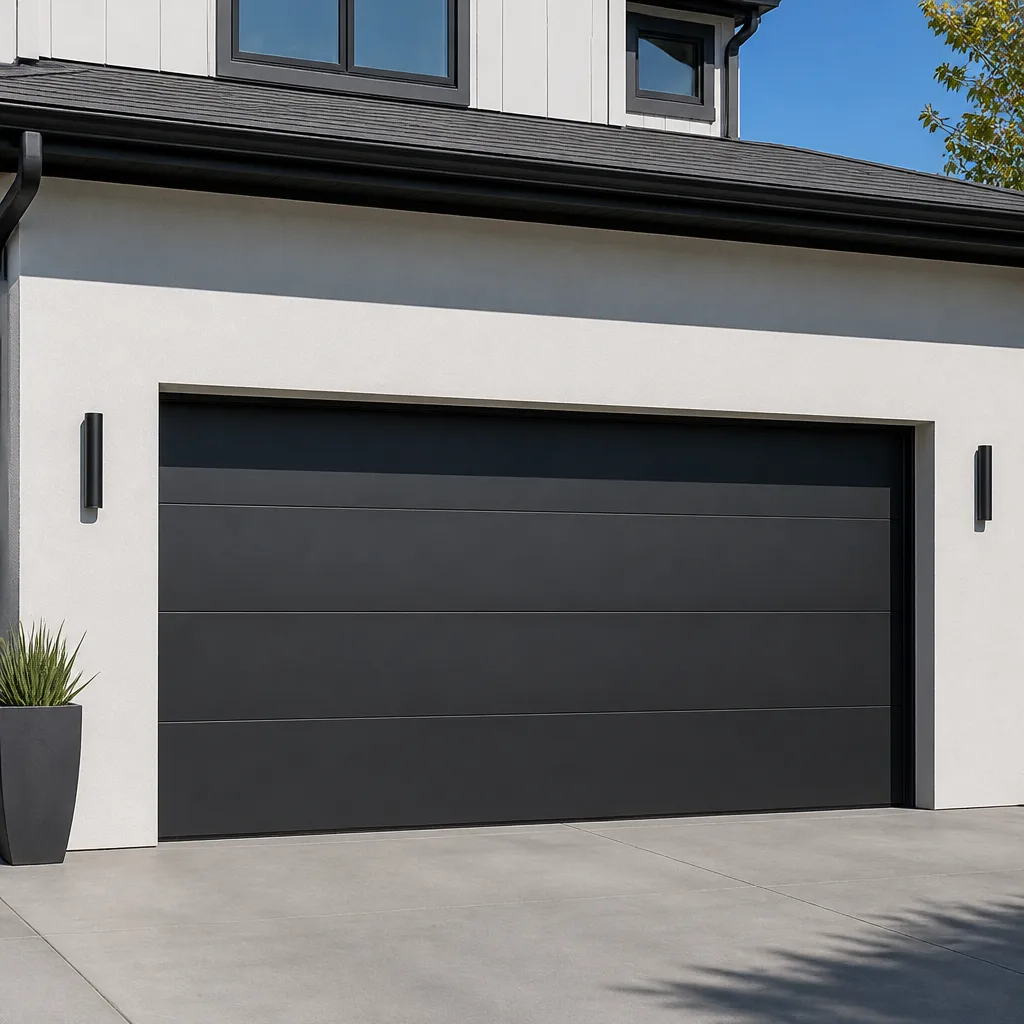 Modern flush
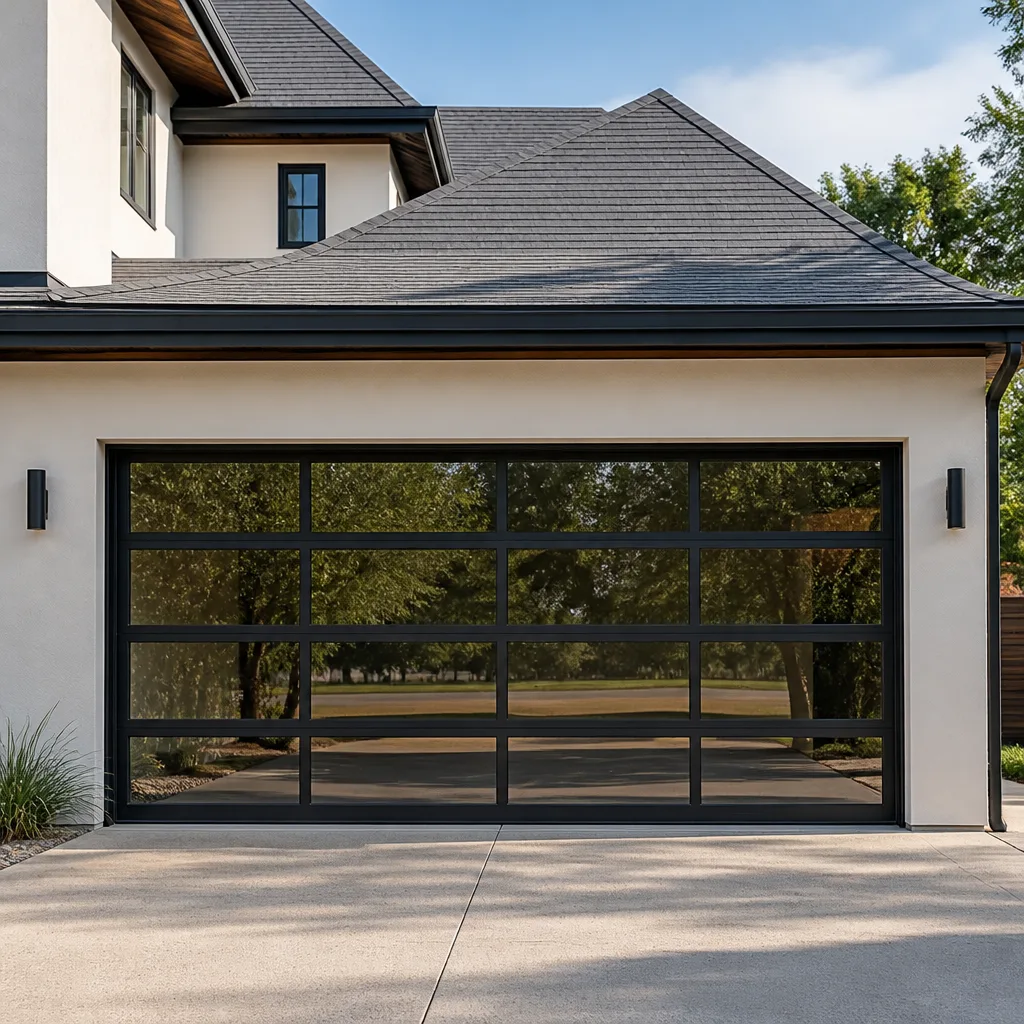 Full-view glass
 LiftMaster openers
 Chamberlain openers
Full 25-point door and opener safety check with every visit - springs, cables, rollers, tracks, and your LiftMaster or Chamberlain opener included
You get a price before we start. It does not change when the truck arrives.
Get your free estimateThe Complete Garage Door Repair Guide for Los Angeles Homeowners
Most garage door guides are written for Ohio. They assume four distinct seasons, rectangular garage openings, and hardware that fails on a predictable national timeline. Los Angeles has salt air, earthquake straps, and non-standard rough openings that change the repair equation entirely. This guide maps those regional variables to the actual repairs you’ll face in the LA basin, from coastal corrosion patterns to seismic code requirements and the stucco-clad openings that make panel sourcing a genuine challenge.
Styles & brands we work with
Quick Answer
Our Garage Door Repair services in Los Angeles typically cost between $180 and $340 for common fixes like spring replacement, cable repair, or sensor realignment, with opener repairs running $150 to $275. Most repairs are completed the same day, though panel replacement on non-standard openings common in older LA homes may require 3 to 7 days for sourcing. The single most important factor is whether your technician understands how LA’s coastal climate, seismic codes, and non-standard housing stock affect the repair, not just the mechanism itself.
Table of Contents
- How LA’s Climate Zones Create Different Wear Patterns
- Seismic Retrofit and Code Requirements for LA Garages
- Non-Standard Openings in LA’s Older Stucco Homes
- The Most Common Repairs in Los Angeles and What They Should Cost
- DIY vs. Licensed Territory: California Rules That Matter
- Brand-Specific Notes for LA Tract Home Openers
- A Maintenance Schedule That Matches LA’s Microclimates
- Common Mistakes to Avoid
- When to Call a Professional
- Frequently Asked Questions
- The Bottom Line
How LA’s Climate Zones Create Different Wear Patterns
Los Angeles is not one climate. The marine layer that rolls through Santa Monica, Venice, and Long Beach each morning deposits salt-laced moisture on garage hardware. The San Fernando Valley bakes in dry heat with wild temperature swings. The hillside communities from Silver Lake to Echo Park get morning fog and afternoon sun. Each pattern causes different failures.
Coastal humidity is the silent killer of garage door springs. Salt air accelerates oxidation on torsion springs, cable pulleys, and hinge pins. In our experience working on newer coastal construction, springs that would last 10,000 cycles in Burbank can fail at 7,000 cycles in Playa del Rey. The failure mode is usually corrosion pitting on the spring coil itself, which creates stress risers that eventually snap the spring.
Inland heat creates its own problems. The Valley’s summer temperatures regularly exceed 100°F, which causes the metal in door panels to expand measurably. This thermal cycling loosens hinge bolts and causes slight track misalignment over time. Homeowners in Woodland Hills and Encino often report doors that worked fine in June but bind by August, almost always due to track drift from repeated heating and cooling.
The practical takeaway: your lubrication schedule should match your microclimate, not a national average. Coastal homeowners should lubricate springs, hinges, and rollers every three to four months. Valley homeowners should check track alignment twice a year and keep an eye on hinge bolts during heat waves. One-size-fits-all maintenance advice is the reason so many LA garage doors fail prematurely.
Seismic Retrofit and Code Requirements for LA Garages
Los Angeles building codes treat garage doors differently than most American cities because earthquakes are a structural reality here. The garage opening is typically the largest unprotected span in a residential structure, which makes it a critical point of failure during lateral movement.
Under current California code, any garage door replacement or significant structural repair in Los Angeles requires the installation of a seismic disconnect system if one is not already present. These are the metal straps and brackets you see connecting the door frame to the surrounding structure. Their job is to keep the door assembly from collapsing inward during a significant seismic event.
This matters for repairs in three concrete ways:
- Spring replacement triggers inspection: When you replace torsion springs on a pre-1990s home, the technician should verify that seismic strapping is present and properly installed. Many older LA homes lack adequate strapping, and the repair visit is the right time to address it.
- Opener upgrades may require permits: Replacing a garage door opener in Los Angeles usually falls under minor repair exemptions, but if you’re also adding reinforcement or changing the door’s structural attachment points, a permit may be required. Most homeowners don’t know this until the project stalls.
- Panel replacement can cross into retrofit territory: If you’re replacing damaged panels on an older home, the inspector may require the entire opening be brought up to current seismic standards before signing off. This adds cost and time, but it’s non-negotiable under current code.
You can learn more about how these requirements affect specific repair scenarios on the Onyx Garage Door Service home page, where we document the regional code considerations we handle daily.
Non-Standard Openings in LA’s Older Stucco Homes
Here’s something most garage door guides never mention: a significant portion of Los Angeles housing stock was built with garage openings that do not match national standard dimensions. This is especially true in South Gate, Huntington Park, and the older sections of Southeast LA, where stucco-clad homes from the 1950s through 1970s dominate.
Standard garage door widths are 8, 9, or 10 feet. But in many South Gate and Southeast LA homes, you’ll find openings that measure 8 feet 3 inches, or 9 feet 7 inches, or other odd dimensions that predate standardized framing practices. Homeowners don’t discover this until they need a panel replaced and learn that nothing off the shelf fits.
What this means practically:
- Panel sourcing becomes a custom job: When a door panel is damaged on a non-standard opening, the panel often must be cut to size or custom-ordered. This adds 3 to 7 business days to the repair timeline and requires a technician who knows how to source correctly the first time.
- Track and hardware compatibility gets complicated: Non-standard openings often have custom track configurations. A technician who assumes a standard track kit will fit is going to have a bad day, and so will the homeowner watching them struggle.
- Replacement doors require field measurements: If you’re replacing a non-standard door entirely, the new door must be field-measured and often custom-ordered. This is not a same-day job, and any company promising same-day replacement on a non-standard South Gate opening hasn’t measured it yet.
If you live in one of these older LA neighborhoods, confirm your opening dimensions before anyone orders parts. A tape measure is the cheapest repair tool you own. For homeowners in the Southeast LA area specifically, our Garage Door Repair in South Gate page covers the non-standard opening challenges common to that housing stock in detail.
The Most Common Repairs in Los Angeles and What They Should Cost
Garage door repair pricing in Los Angeles runs consistently higher than the national average, driven by labor costs, commercial insurance requirements, and the logistical friction of working across LA’s sprawl. Here’s what you should expect to pay for the repairs we see most often.
Torsion Spring Replacement: $180 to $340. The spring itself costs $40 to $80 wholesale, but the labor and the liability are the real costs. This is the most common repair call in Los Angeles, and also the one most likely to be botched by underqualified technicians. A broken torsion spring should be replaced as a pair, not individually, even if only one failed. The other spring has experienced identical cycle counts and will fail soon.
Cable Repair or Replacement: $150 to $250. Cables fray and snap for the same reasons springs fail. In coastal LA, cable corrosion is a significant factor. A snapped cable can leave the door hanging unevenly, which puts lateral stress on the track and can bend it permanently if not addressed quickly.
Roller Replacement: $120 to $200 for a full set. Worn rollers cause the grinding noise that many homeowners assume is a more serious problem. Nylon rollers are quieter than steel and don’t corrode as quickly, but they wear faster under heavy use. For most LA homes, nylon is the right choice unless the door is exceptionally heavy.
Opener Repair or Replacement: $150 to $275 for repairs; $450 to $800 for replacement including labor. Opener failures are often misdiagnosed. A Genie opener that won’t respond may have a failed logic board, a stripped gear, or simply a sensor that’s out of alignment from a minor earthquake tremor. The correct diagnosis saves hundreds.
Track Realignment: $125 to $200. LA’s combination of thermal cycling and occasional seismic movement means track drift is far more common here than in more geologically stable regions. Realignment is straightforward for a technician, but it’s not a DIY fix for most homeowners because the door under tension can shift dangerously mid-adjustment.
Every price above should be quoted and agreed before any work starts. If a technician won’t commit to a firm number before opening the door, that’s a warning sign. The price you approve is the price you should pay, unless the technician discovers a genuinely different underlying problem and explains it with documentation.
DIY vs. Licensed Territory: California Rules That Matter
Some garage door maintenance tasks are safe and reasonable for a California homeowner to handle. Others cross into territory that requires a contractor’s license, and attempting them without one can void your insurance coverage if something goes wrong. For help deciding, see our DIY vs Professional Garage Door: The Los Angeles Homeowner’s Decision Guide.
Tasks a homeowner can reasonably do:
- Lubrication: Applying white lithium grease to hinges, springs, and rollers is safe and straightforward. Use a garage-door-specific lubricant, not WD-40, which displaces moisture but doesn’t provide lasting lubrication.
- Sensor cleaning and alignment check: Photo-eye sensors get dusty in LA’s dry air. Wiping them with a clean cloth and making sure they’re still pointed at each other is a five-minute job.
- Visual inspection: Checking for frayed cables, rust on springs, loose hinge bolts, and track debris. Caught early, these issues prevent bigger failures.
- Battery replacement in remotes and keypads: Self-explanatory and painless.
Tasks that require professional attention:
- Torsion spring replacement: This is the big one. Torsion springs are under enormous tension. A spring that releases unexpectedly while you’re working on it can cause catastrophic injury. This is not about skill; it’s about physics and proper tools. California law requires a contractor’s license for any repair involving torsion spring work.
- Cable replacement: Cables work in tandem with springs. When a cable snaps, the remaining tension in the system is unpredictable. Replacing cables requires releasing spring tension safely, which is the same dangerous territory as spring work.
- Track replacement or major realignment: The track guides a door that may weigh 200 to 400 pounds. If the track is being replaced while the door is still under partial spring tension, the risk profile is professional-grade.
- Opener motor or logic board replacement: Openers contain capacitors that can hold charge. A homeowner shocked by an opener capacitor is having a bad day; a technician who knows how to discharge it properly is not.
Brand-Specific Notes for LA Tract Home Openers
Los Angeles experienced an enormous housing boom from the 1970s through the early 2000s, and the openers installed during that period cluster around a handful of brands. If you live in a tract home built during that era, your opener is most likely one of the following.
Genie: Extremely common in 1980s and 1990s LA construction. Genie openers from this era used a screw-drive mechanism that’s durable but noisy. The most common failure mode is a stripped drive gear, which presents as a loud grinding sound when the opener runs but the door doesn’t move. The part is inexpensive; the labor is straightforward. Many Genie units also suffer from sensor alignment drift after minor earthquakes, which is the first thing to check when the door refuses to close.
Chamberlain: Widespread in 1990s and 2000s tract homes throughout the San Fernando Valley and Orange County spillover areas. Chamberlain’s belt-drive units are quieter than screw-drive Genies and hold up well in LA’s climate. The common failure is the logic board, especially in homes that experience frequent power fluctuations. If your Chamberlain opener behaves erratically after a brownout in Valley summer heat, the board is the likely culprit.
Craftsman: The default opener for do-it-yourself installs in the 1980s and 1990s, which means it’s everywhere in LA’s older neighborhoods. Craftsman openers use a chain-drive system that’s mechanically simple but requires periodic chain tension adjustment. The most common failure is a stretched chain that causes the door to jerk and bind. Many Craftsman units are still serviceable with proper parts sourcing, which is worth knowing because replacing the opener entirely isn’t always necessary.
Wayne Dalton: Common in higher-end construction from the 1990s onward. Wayne Dalton doors often use a proprietary torque-master spring system housed inside a tube, which looks different from standard torsion springs and confuses technicians unfamiliar with the brand. If you have a Wayne Dalton door with a torque-master system, make sure the technician has worked on that specific configuration before they start disassembling anything.
The most important brand lesson is this: your existing opener is probably worth repairing, not replacing. LA homeowners get told to replace openers far more often than necessary because some companies prefer selling a new unit over diagnosing the old one. A technician who knows the quirks of your specific brand can often restore full function for a fraction of replacement cost. When you need opener-specific help, our Garage Door Opener Repair in South Gate page documents the brand-specific diagnostic process we use.
A Maintenance Schedule That Matches LA’s Microclimates
Generic maintenance advice fails LA homeowners because it ignores climate zone differences. Here’s a schedule that accounts for where you actually live.
Coastal homeowners (Santa Monica, Venice, Marina del Rey, Long Beach, San Pedro):
- Every 3 to 4 months: Lubricate springs, hinges, and rollers with a garage-door lubricant. Salt air accelerates friction damage on unlubricated components.
- Every 6 months: Inspect cables for rust and fraying. Coastal corrosion works from the inside out, so look for discoloration and stiffness, not just visible fraying.
- Every 12 months: Check all bolts, brackets, and hinges for corrosion. Replace anything with visible rust pitting.
Valley and inland homeowners (Woodland Hills, Encino, Northridge, Burbank, Glendale):
- Every 6 months: Check track alignment and hinge bolt tightness. Thermal cycling loosens hardware over time.
- Every 12 months: Lubricate all moving components. Heat degrades lubricant faster than cold, so annual application is the minimum acceptable schedule.
- Every 12 months: Test the opener’s auto-reverse safety feature. Heat-related sensor drift is more common in inland areas.
Hillside homeowners (Silver Lake, Echo Park, Los Feliz, Mount Washington):
- Every 4 months: Lubricate and inspect. You get both morning marine layer and afternoon heat, so you get both corrosion and thermal cycling.
- After any significant earthquake: Check track alignment and sensor alignment. Even minor tremors can shift track brackets enough to cause binding.
For homeowners considering a full replacement rather than continued maintenance, our Garage Door Installation in South Gate page explains the measurement and permitting process for new installations.
Common Mistakes to Avoid
- Using WD-40 on garage door components. WD-40 is a solvent and moisture displacer, not a lubricant. It cleans away existing grease and leaves metal components with inadequate long-term protection. Use a garage-door-specific lubricant instead.
- Replacing only one torsion spring. Springs are installed in pairs and wear at the same rate. If one failed, the other is near failure. Replacing one leaves you with mismatched spring tension and a second service call in the near future.
- Ignoring a noisy door. Grinding, popping, or squealing sounds are early-warning signals. Waiting until the door stops working altogether turns a $150 roller replacement into a $500 track replacement plus repair.
- Assuming your opening is standard size. In older LA neighborhoods, non-standard openings are common. Measuring before ordering parts saves time, money, and multiple service visits.
- Attempting torsion spring work without proper training and equipment. This deserves repeating. Torsion springs store lethal amounts of energy. The savings from DIY spring replacement are not worth the risk of serious injury.
- Hiring based on price alone. LA garage door repair pricing varies widely. The lowest bid often comes from unlicensed operators who can’t pull permits for seismic retrofit work and won’t be there when the repair fails.
- Deferring seismic strap installation. The retrofit requirements exist for a reason. In a significant earthquake, an unstrapped garage door assembly becomes a structural hazard, not just a convenience issue.
When to Call a Professional
Call a professional when you’re dealing with torsion springs, cables under tension, track replacement, or any repair that requires releasing spring tension. Also call when your opener shows signs of logic board failure, when you need work that may require a permit, or when you’re simply not certain what’s wrong. A broken spring is dangerous. A snapped cable is unpredictable. A door that’s binding on its track can shift suddenly when spring tension is released. These are not judgment calls; they’re safety boundaries. Onyx Garage Door Service offers free estimates in Los Angeles, call (877) 588-8251 to get a firm quote before any work begins.
Frequently Asked Questions
Garage door repair in Los Angeles typically costs between $180 and $340 for spring replacement, $150 to $250 for cable repair, and $120 to $200 for roller replacement, with opener repairs running $150 to $275. These prices reflect LA’s higher labor costs and commercial insurance requirements. Call (877) 588-8251 for an exact quote on your specific repair, estimates are free.
Yes, most common repairs like spring replacement, cable repair, and roller replacement are completed the same day in Los Angeles. Panel replacement on non-standard openings may require 3 to 7 days for custom sourcing. Call (877) 588-8251 and we’ll tell you honestly whether your repair is same-day or requires parts ordering.
No, the price you approve before work begins is the price you pay. If we discover a genuinely different underlying problem during the repair, we’ll stop work, show you what we found, and get your approval on a new number before proceeding. There’s no hidden fee, no surprise invoice at the end.
Yes, our Los Angeles service trucks carry the most common replacement springs, cables, rollers, hinges, and opener components for the brands we service, including Clopay, Amarr, and Wayne Dalton parts. Non-standard panel sizes and proprietary components are ordered and arrive within 3 to 7 business days.
Most routine repairs like spring replacement, cable replacement, and opener repair do not require permits in Los Angeles. Full door replacement or structural modifications to the garage opening may require permits, especially if seismic retrofit work is involved. We handle the permitting process for projects that require it.
Yes, in most cases a 1990s Genie opener is worth repairing. The most common failure is a stripped drive gear, which is an inexpensive part. The opener’s motor and chassis are typically still sound. A technicians who knows Genie products specifically can diagnose the failure accurately and tell you whether repair or replacement is the better value.
The Bottom Line
The Complete Guide to Garage Door in Los Angeles explains why local garage doors fail differently than anywhere else in the country. Salt air corrodes coastal hardware faster than inland schedules anticipate. Seismic code requirements add permitting and retrofit considerations to repairs that would be simple elsewhere. Non-standard openings in older stucco homes turn panel replacement into a custom sourcing project. Understanding these regional factors before you call for service means you’ll ask better questions, avoid unnecessary replacement recommendations, and end up with a repair that’s done correctly the first time. The right technician for an LA garage door is one who already knows all of this. If yours doesn’t, keep looking.
Written by the team at Onyx Garage Door Service, serving Los Angeles since 2014. Explore more guides & resources on our blog.
See the difference
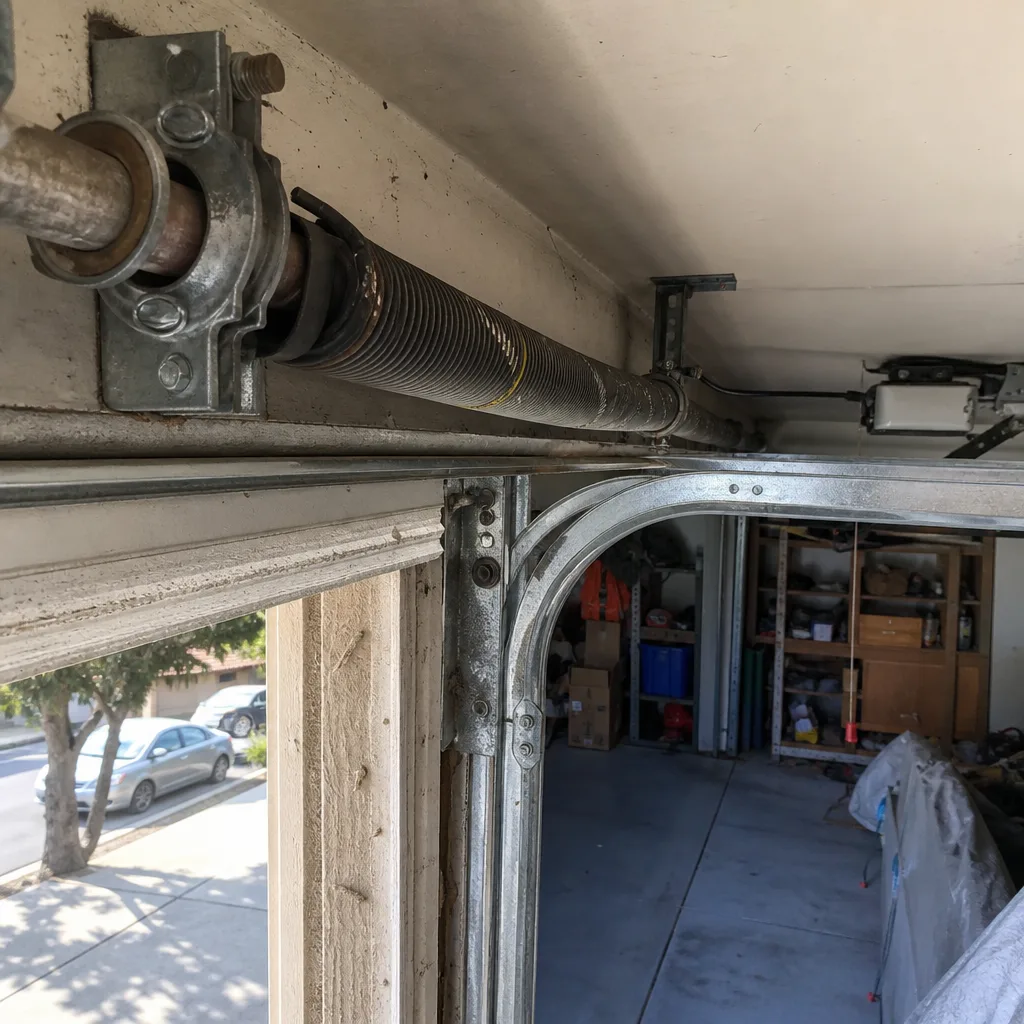 Before
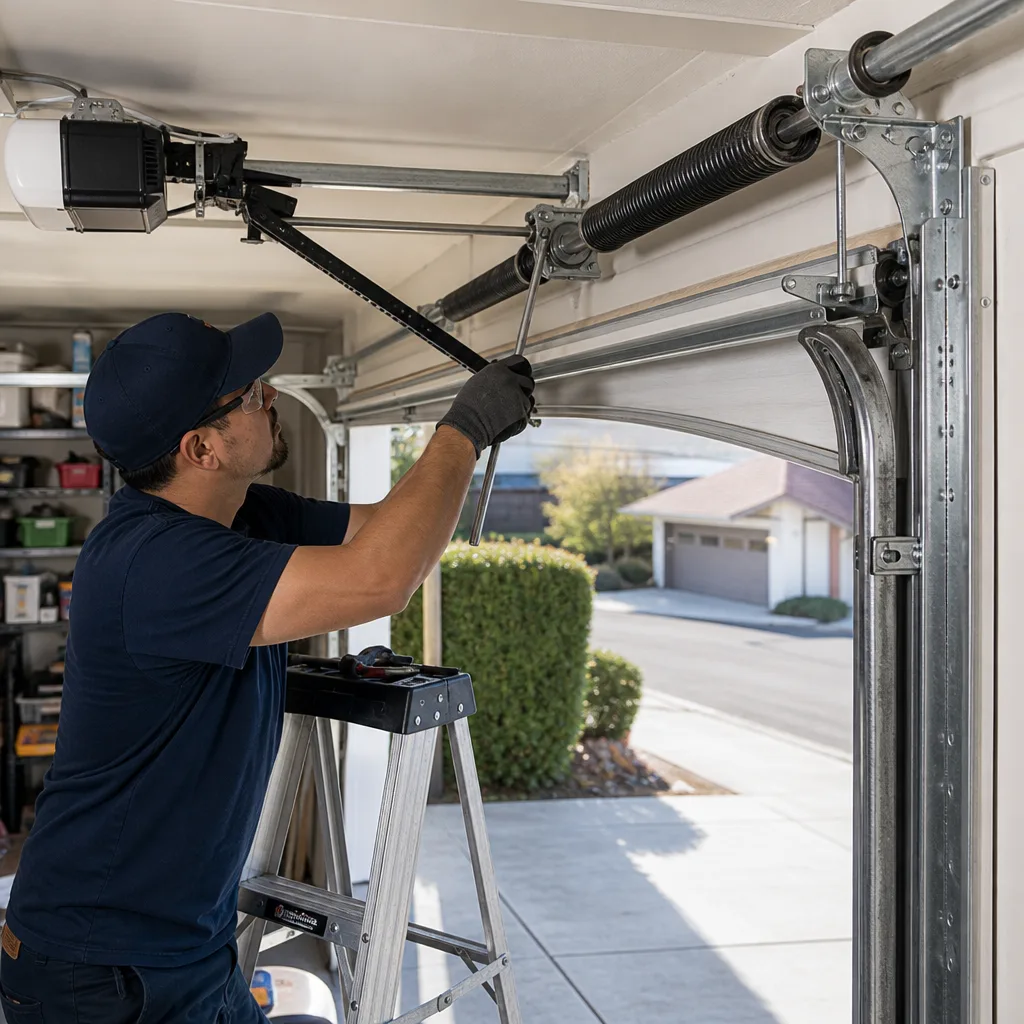 After
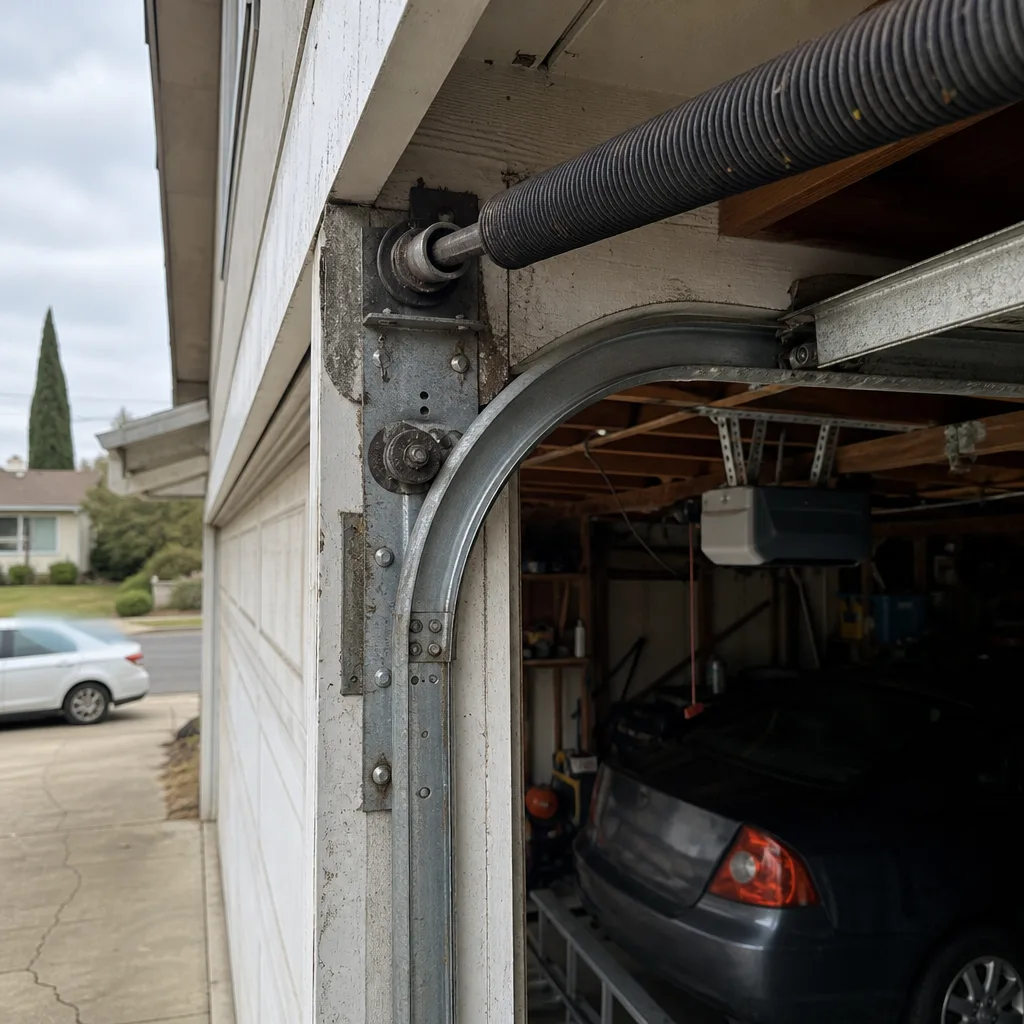 Before
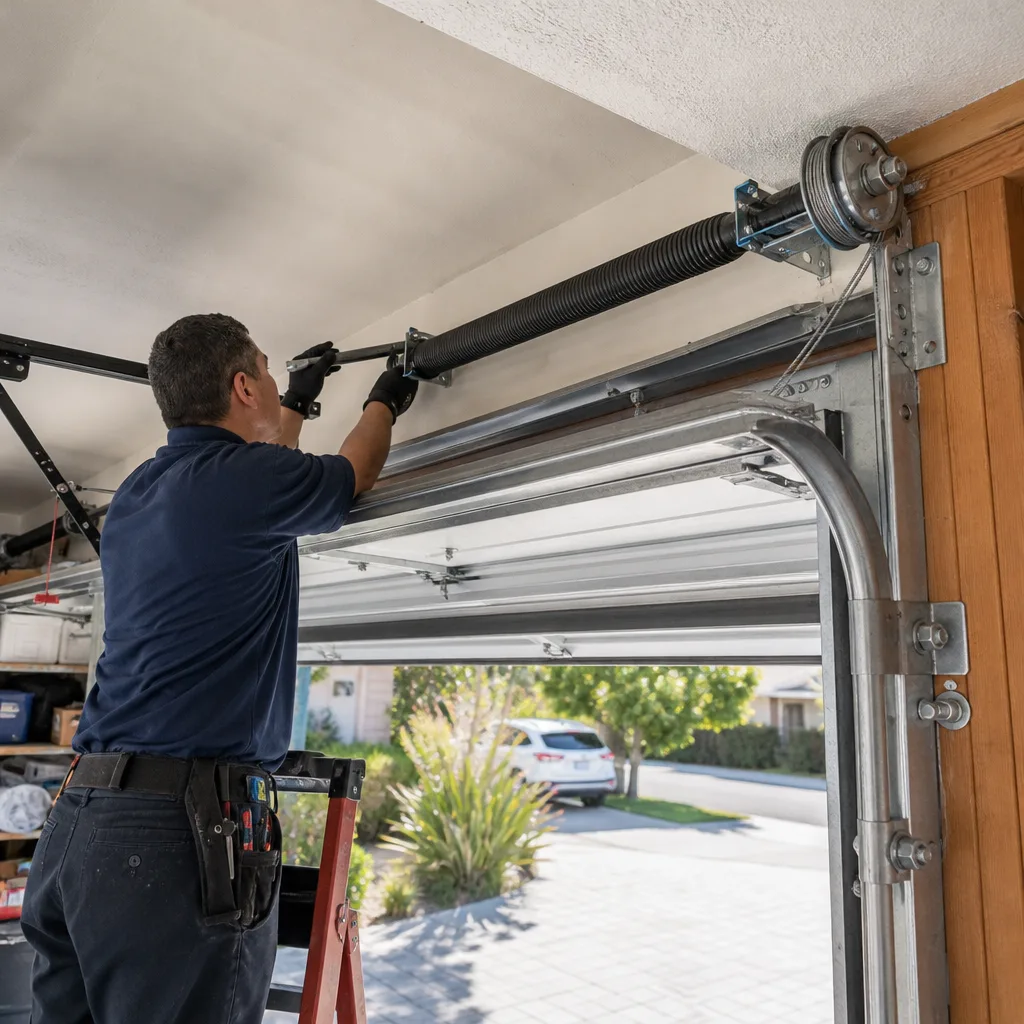 After
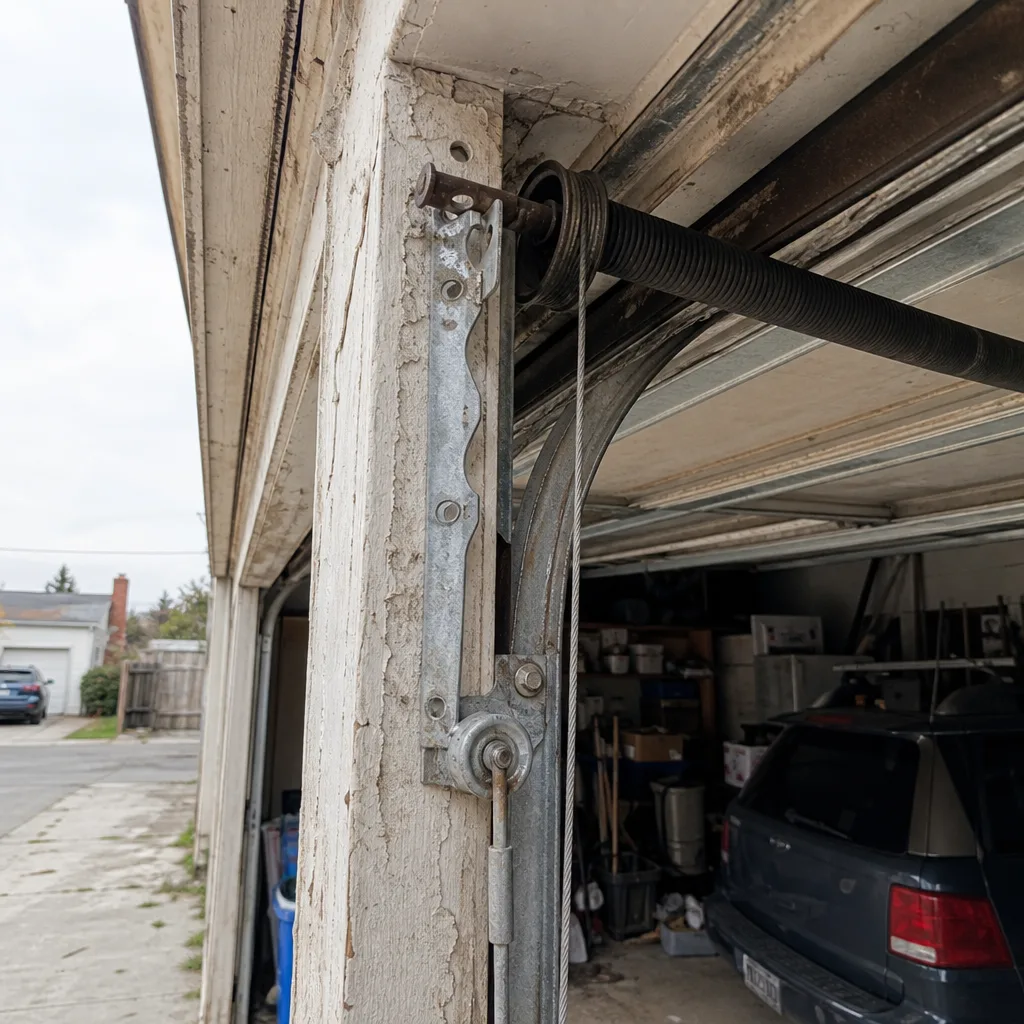 Before
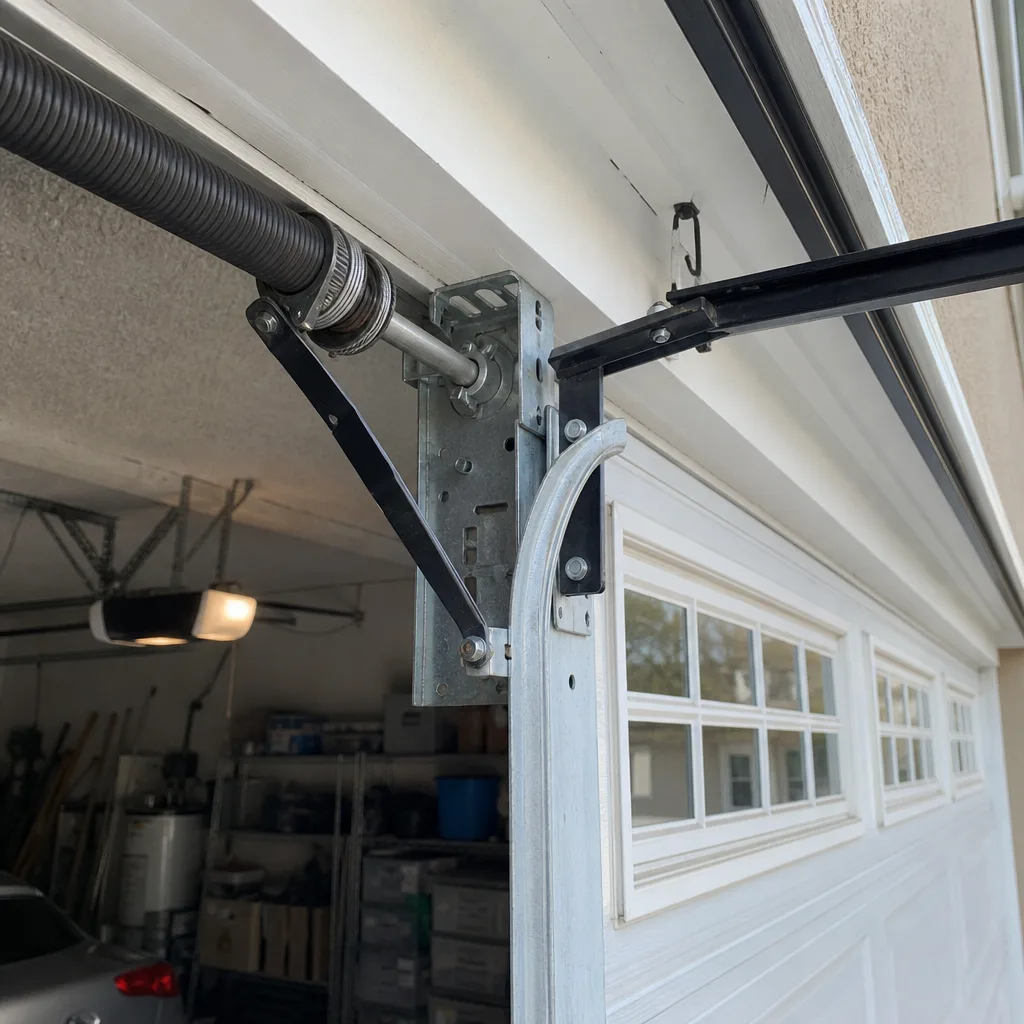 After