
Last updated October 31, 2026
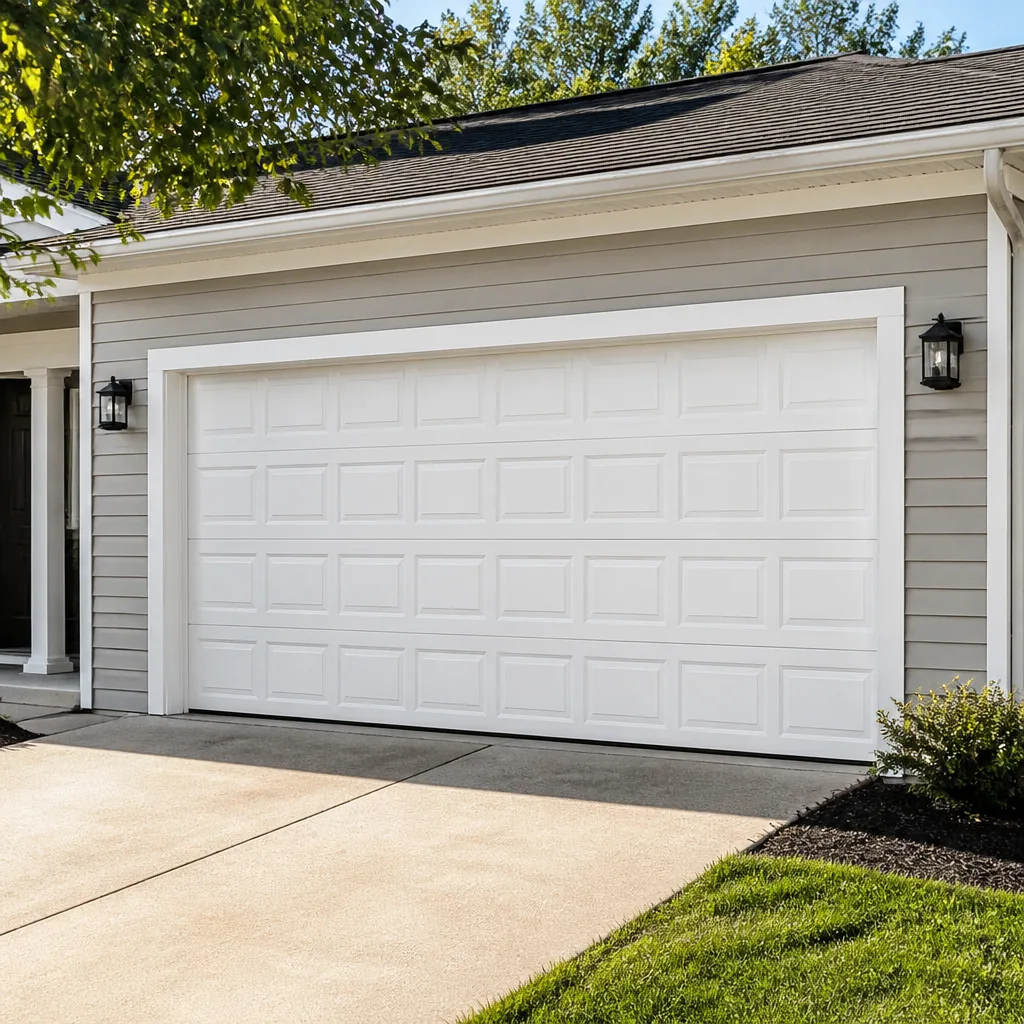 Raised-panel steel
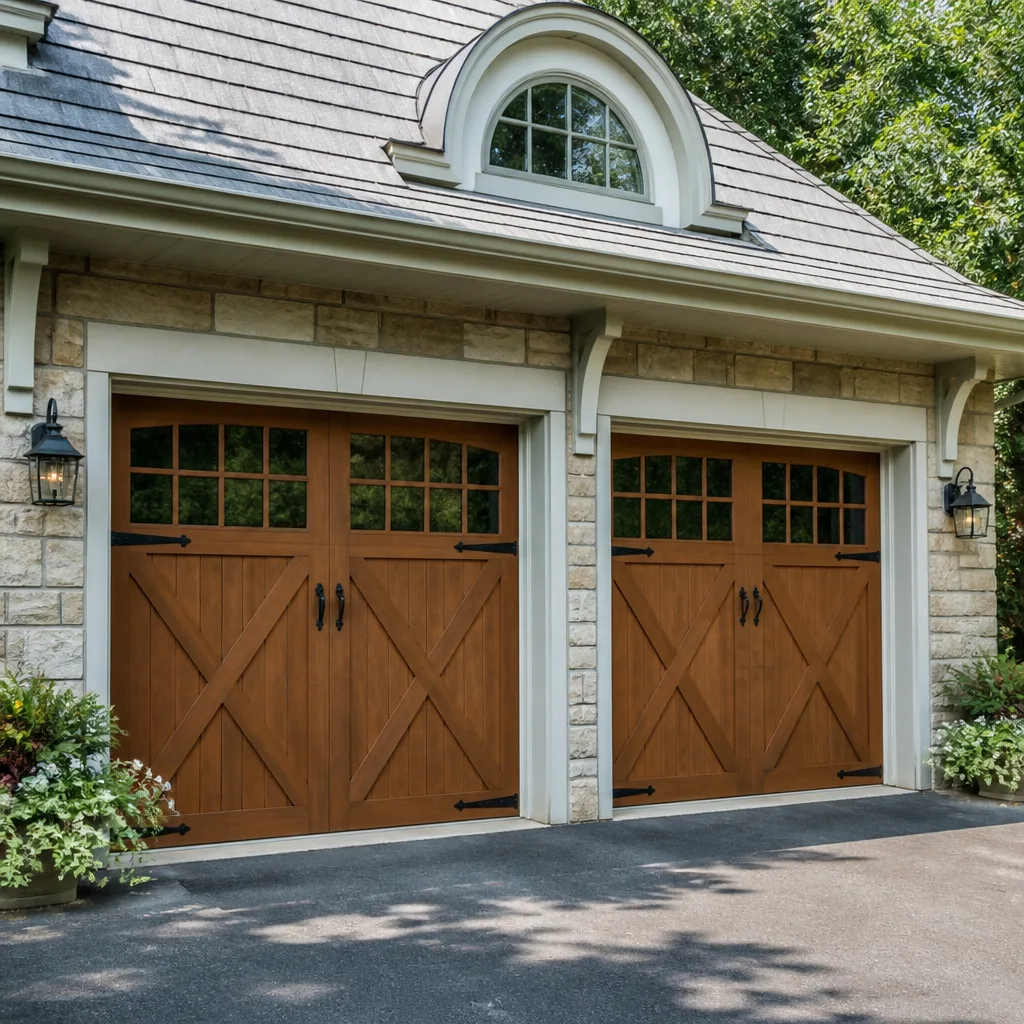 Carriage house
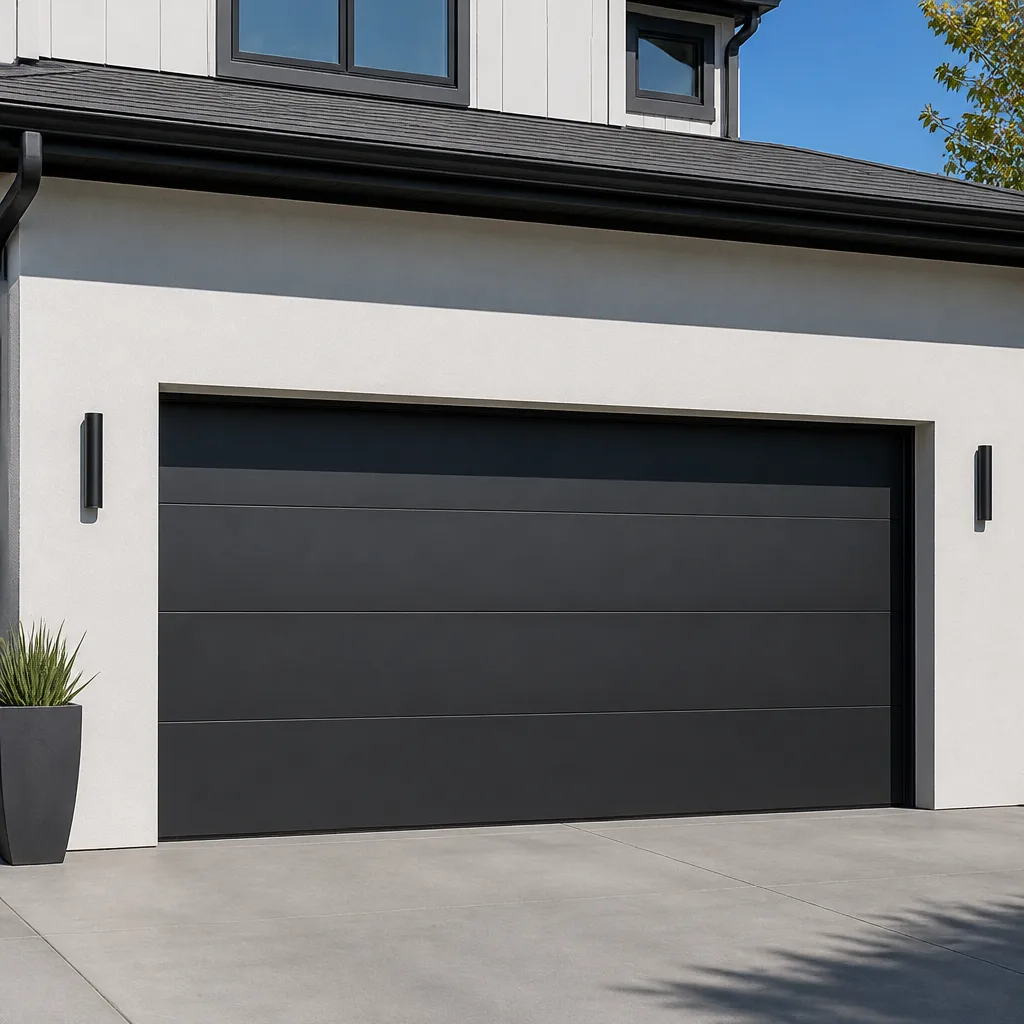 Modern flush
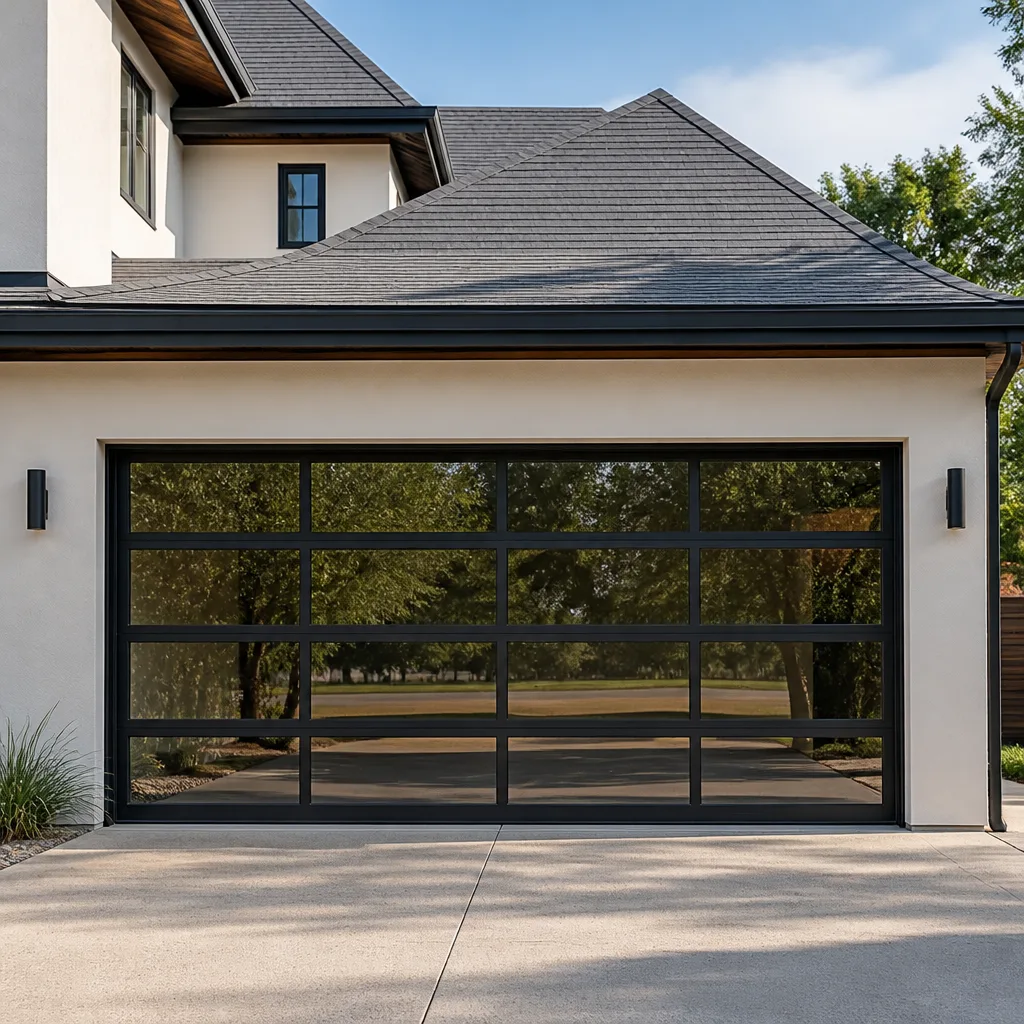 Full-view glass
 LiftMaster openers
 Chamberlain openers
Full 25-point door and opener safety check with every visit - springs, cables, rollers, tracks, and your LiftMaster or Chamberlain opener included
You get a price before we start. It does not change when the truck arrives.
Get your free estimateThe Complete Guide to Garage Door in Los Angeles
Most garage door guides are written for the Midwest. Los Angeles has active fault lines, salt air from the Pacific, and some of the oldest residential garage stock in the country – none of which appears in the advice you’re probably reading. A door that lasts 20 years in Ohio might need spring replacement in six here, and a material choice that works perfectly in Burbank could corrode within three years in Playa del Rey. This guide maps every major garage door decision – repair, opener replacement, insulation, spring type, and full installation – to the actual conditions of Los Angeles housing, climate, and code, and points you to more guides & resources for deeper dives. You’ll learn how to identify your existing system, what actually drives cost, which materials survive in your specific microclimate, and when a repair makes more sense than a replacement.
Styles & brands we work with
Quick Answer
A garage door in Los Angeles is not a generic product – the right door, spring, and opener depend on where your home sits: coastal zones demand corrosion-resistant hardware, inland valleys require heat-tolerant materials, and any pre-1980 garage likely has non-standard sizing that changes repair and replacement math entirely. Most LA homeowners will spend between $180 and $340 on a typical spring repair, $150 to $400 on opener repair, and $1,200 to $3,800 on a full door replacement depending on material and insulation – see our Garage Door Cost Breakdown: The Los Angeles Homeowner’s Reference for 2026 for detailed pricing. The single most important step before any repair or replacement decision is reading your door’s nameplate to identify brand, series, and age – because brand-specific parts and expertise change both the quote and the outcome.
Table of Contents
- How Los Angeles Microclimates Change Garage Door Decisions
- Seismic Requirements: What California’s Earthquake Risk Means for Your Door
- The ADU Boom and What It Means for Garage Doors
- Why LA’s Older Housing Stock Means Non-Standard Sizing Is the Norm
- How to Read a Garage Door Nameplate: Brand, Series, and Age
- Spring Systems: Torsion vs. Extension and What LA Homes Actually Have
- Choosing a Garage Door Opener for Los Angeles Conditions
- Common Mistakes to Avoid
- When to Call a Professional
- Frequently Asked Questions
- The Bottom Line
How Los Angeles Microclimates Change Garage Door Decisions
Los Angeles is not one climate. It’s at least three, and they push garage door materials in different directions. The marine layer that rolls through Venice, Santa Monica, Playa del Rey, and San Pedro every morning deposits salt and moisture on metal surfaces. We’ve seen steel doors within two miles of the coast develop rust at the bottom panel seam within four years, while the same door in Sherman Oaks looks nearly new after a decade. The variable isn’t quality – it’s exposure.
Coastal zones (within roughly 3 miles of the Pacific) punish uncoated steel and standard hardware. Galvanized hinges, brackets, and tracks corrode faster here. An aluminum door with a quality powder coat holds up far better against salt air, and stainless steel hardware is worth the upgrade. Wood doors in coastal zones need refinishing every 18 to 24 months, not the 3 to 5 years a wood door in Los Feliz might tolerate.
Inland valleys (the San Fernando Valley, Burbank, Glendale, Pasadena, the San Gabriel Valley) deal with extreme heat. Summer temperatures regularly exceed 100°F, and uninsulated steel doors absorb that heat, turning garages into ovens. Heat also shortens the life of opener motors – the capacitor and logic board age faster in a 110°F garage than in a 75°F one. Insulated doors matter just as much here as they do in cold climates, but for the opposite reason: you’re keeping heat out, not in.
Hillside and canyon neighborhoods (Topanga, Silver Lake hills, Mount Washington, Laurel Canyon) add wind load and occasional debris impact to the mix. Doors here need reinforced struts and tighter track tolerances. A door that operates smoothly in a flat Mid-City lot can bind in a hillside garage where the slab has shifted a quarter inch.
Seismic Requirements: What California’s Earthquake Risk Means for Your Door
California’s earthquake risk changes garage door requirements in ways that out-of-state guides never mention. The most important piece of equipment is something most homeowners have never heard of: a seismic disconnect switch. California Building Code requires garage door openers in seismic zones to be equipped with a mechanism that disconnects the opener from the door during significant ground movement, preventing the opener from fighting an earthquake and destroying the door, the opener, or both.
If your opener predates the late 1990s, there’s a real chance it lacks this feature or has a version that no longer meets current code. This matters for two reasons: safety during an actual seismic event, and permit compliance if you’re doing an ADU conversion or any renovation that triggers inspection.
Springs have their own seismic consideration. Torsion springs, which mount horizontally above the door opening, handle lateral building movement far better than extension springs, which stretch along the horizontal track. In an earthquake, a shifting wall can cause an extension spring to detach or bind. For Los Angeles homes built before 1980 that still run extension springs, an upgrade to a torsion system is a genuine safety improvement – not an upsell. We’ve replaced extension springs in older homes across Los Angeles where the mounting brackets were visibly stressed from decades of minor seismic settling.
Track anchoring matters too. Vertical track brackets should be bolted securely to wall studs, not drywall anchors. After any earthquake above about magnitude 4.0, it’s worth a visual check: look for shifted track alignment, new gaps between the track and wall, or a door that hangs unevenly when half-open.
The ADU Boom and What It Means for Garage Doors
Los Angeles has been ground zero for accessory dwelling unit construction since California’s ADU law changed in 2020. Thousands of LA homeowners have converted garages into living space, and thousands more are planning to. This transformation forces garage door decisions that generic guides never address.
When a garage becomes an ADU, the door doesn’t simply disappear. You have three realistic paths, and each has different code, cost, and insulation implications:
- Keep the door and insulate behind it. This is the most common approach for ADUs on a budget. The garage door stays functional, but a framed wall with insulation is built behind it. The door becomes a facade. This preserves the option to convert back, but the door must still operate properly or it’ll eventually damage the track.
- Replace the door with a window and wall. This is the cleanest conversion, but it requires a permit and changes the home’s street-facing appearance. The cost – typically $2,500 to $6,000 in Los Angeles after framing, stucco, window, and finish work – is partly offset by eliminating door maintenance forever.
- Install a high-insulation door for a convertible space. Some homeowners want a flexible space: garage by day, guest room on demand. A polyurethane-insulated steel door with an R-value of 12 or higher makes this viable in LA’s climate. The door stays, but the thermal performance shifts from “garage” to “livable adjacent.”
Permit status matters enormously here. An unpermitted garage conversion in Los Angeles creates problems at sale, during insurance claims, and if a neighbor files a complaint. Before you convert a garage to living space, check with the Los Angeles Department of Building and Safety. And before any door modification, confirm that the door’s seismic disconnect and opener meet current code – inspectors in LA are specific about this.
Why LA’s Older Housing Stock Means Non-Standard Sizing Is the Norm
Los Angeles grew in massive waves: the 1920s oil boom, the post-WWII suburban expansion, the 1960s and 70s ranch-house explosion. Each era built garages to different standards. A 1950s garage in the San Fernando Valley might be 7 feet wide and 6 feet 6 inches tall – too narrow and too short for a modern full-size SUV. A 1920s garage in Highland Park could be a repurposed carriage house with an 8-foot door that no current manufacturer catalogs as standard.
This is why replacing a garage door in Los Angeles is frequently not a “measure and order” job. Pre-1980 garages commonly need one of three adjustments:
- Track modification. When the opening is slightly non-standard but the door panel can be ordered in a custom width (most premium manufacturers offer half-inch increments up to 20 feet), the track system gets re-engineered to fit the space.
- Opening reframing. When the existing opening is too short for a modern vehicle, the header gets raised. This requires a permit in Los Angeles and typically adds $800 to $2,500 to the project.
- Custom panel fabrication. For true oddballs – a 1920s carriage door opening with a curved top, or a width that doesn’t map to any standard size – custom fabrication is the only option. It’s the most expensive path, but it preserves the architectural character of older LA homes.
If you own a pre-1980 Los Angeles home, don’t order a door online. The odds of the slab, the opening, or the framing being standard are worse than even. A professional measurement includes slab level, header condition, track clearance, and spring pad inspection – four things an online order cannot verify.
How to Read a Garage Door Nameplate: Brand, Series, and Age
Every garage door has a nameplate or rating sticker – usually located on the inside of the door, near the bottom panel or on the side jamb. This small label tells you more about your door than a decade of memory. It identifies the manufacturer, the model or series, and often the manufacture date or a serial number that encodes it. For a homeowner facing a repair decision, this information is the difference between a precise quote and a guess.
Here’s what to look for, in order:
- Find the label. Check the bottom inside panel first. If it’s not there, look at the top section, inside edge, or the vertical track near the bottom bracket.
- Identify the manufacturer. Common names in Los Angeles garages include Wayne Dalton, Clopay, Amarr, and older Raynor and Craftsman panels. The brand matters because spring systems, hinge patterns, and panel dimensions are brand-specific.
- Note the model or series. A Wayne Dalton 9100 is a completely different door from a Wayne Dalton 9600 – different spring requirements, different panel weight, different replacement part availability.
- Look for the serial number or date code. Some manufacturers print the manufacture date directly. Others encode it in the serial number – the first two digits often represent the year, or the last four represent month and year.
- Photograph the label. Before calling any repair company, take a clear photo of the nameplate. A technician who asks for this information is doing diagnostics before arriving – a technician who doesn’t ask is planning to figure it out on site.
This one habit saves LA homeowners real money. When a spring breaks, the replacement spring must match the door’s weight, not just its size. The nameplate tells a technician exactly what’s installed. LiftMaster, Chamberlain, and Genie openers have their own model number stickers on the power unit – equally important when the opener fails. Write down the opener model number separately; it’s not on the door panel.
Spring Systems: Torsion vs. Extension and What LA Homes Actually Have
Springs are the most replaced component on any garage door, and the spring type on your Los Angeles home depends largely on when the house was built. Homes built before about 1980 often still have extension springs – the two long springs that stretch along the horizontal track on either side of the door. Homes from the 1980s onward overwhelmingly use torsion springs – one or two tightly wound springs mounted on a shaft above the door opening.
The difference is not cosmetic. Torsion springs are safer, smoother, and longer-lasting. They fail less violently, balance the door more evenly, and can handle heavier modern doors. Extension springs, when they snap without a safety cable, can send a jagged metal projectile across the garage. California code requires safety cables on extension springs, but we regularly inspect older Los Angeles garages where the cable is missing, disconnected, or threaded incorrectly.
A garage door spring in Los Angeles has a finite life measured in cycles, not years. A standard spring is rated for 10,000 open-close cycles – about 7 to 10 years of typical use. In a household that uses the garage as the primary entrance (common in LA’s car-centric neighborhoods), that might be 5 to 6 years. When a spring breaks, the door becomes extremely dangerous to lift manually. A door with a broken torsion spring can weigh 150 to 300 pounds, and the opener – if you try to use it – will burn out its motor fighting the unbalanced load.
Here’s the critical safety point: spring replacement is the one garage door repair that should never be a DIY project. Torsion springs are wound under extreme tension – enough to cause serious injury or death if the winding bar slips. This is not handyman territory, and it’s not worth the $80 to $150 you might save against a professional repair – read our DIY vs Professional Garage Door: The Los Angeles Homeowner’s Decision Guide to understand why. A trained technician replaces a broken spring in 30 to 45 minutes with the correct tools and the correct replacement part sizes. In Los Angeles, a professional spring replacement typically runs $180 to $340 including parts and the service call.
What a spring replacement includes
- Removal of the broken spring or springs
- Measurement of the door’s exact weight and the existing spring’s wire gauge and inside diameter
- Installation of a matching replacement spring with the correct cycle rating
- Rebalancing the door so it stays half-open without holding it
- Lubricating the hinges, rollers, and bearing plates
- Testing the complete open-close cycle with the opener, if present
One specific LA note: coastal corrosion shortens spring life by 20 to 30 percent. A galvanized spring in a Manhattan Beach garage will fail sooner than the same spring in Glendale. If you live near the coast and your springs are five years old, budget for replacement sooner rather than later.
Choosing a Garage Door Opener for Los Angeles Conditions
The right opener for a Los Angeles garage depends on three factors that have nothing to do with horsepower marketing: ceiling height, door weight, and whether the opener will live in a hot garage.
Belt-drive openers are the right choice for most LA homes with attached garages. They’re dramatically quieter than chain drives – important when the master bedroom sits above the garage, a common layout in two-story Los Angeles houses built from the 1950s through the 1990s. Belt drives cost $30 to $80 more than equivalent chain drives, but the noise difference is not subtle.
Chain-drive openers still make sense for detached garages or garages separated from living space by a solid wall. They’re durable, inexpensive, and the noise doesn’t matter when no one is sleeping overhead. We service thousands of chain-drive LiftMaster and Chamberlain units across Los Angeles, many of them 20-plus years old and still functioning.
Smart openers – units with built-in Wi-Fi and smartphone integration – are increasingly standard. They let you check door status remotely, open the door for a delivery, or receive an alert when the door is left open. In Los Angeles, where porch piracy and garage break-ins are real concerns, the alert feature has practical security value beyond convenience. LiftMaster’s MyQ ecosystem and Chamberlain’s equivalent are the two systems we see most often in LA garages.
The heat factor deserves attention. An uninsulated garage in Woodland Hills can hit 120°F in August. Opener electronics – capacitors, logic boards, and motor windings – age faster in sustained heat. If your garage gets brutally hot in summer, consider one of two upgrades: an insulated door (which cools the entire garage) or positioning the opener’s logic board away from direct afternoon sun. Belt drive units with DC motors also run cooler than older AC chain-drive models.
Common Mistakes to Avoid
- Ordering a door online without measuring the slab level. Los Angeles is earthquake country, and decades of minor seismic activity leave many garage slabs slightly out of level. A door installed on an unlevel slab binds and the opener strains. A professional measurement catches this before the door arrives.
- Ignoring spring safety cables on older doors. Pre-1980 Los Angeles garages with extension springs often have missing or rusted safety cables. A snapped extension spring without a cable can cause serious injury. If the cable is rusted through, replace it now.
- Lubricating with the wrong product. WD-40 is a cleaner, not a lubricant, and it strips the grease from garage door tracks and hinges. Use a lithium-based spray grease on hinges and a dedicated garage-door lubricant on springs. This mistake is universal, but we see it constantly across Los Angeles garages because the mild climate invites year-round DIY tinkering.
- Replacing a door when the opener is the problem. A door that reverses, stops halfway, or makes a grinding noise is frequently an opener issue, not a door issue. Before replacing an expensive door, check the opener. In our experience across Los Angeles, roughly 40 percent of “broken door” calls are actually opener problems – motor, logic board, gears, or sensors.
- Paying for a new door without considering ADU permits. If a garage conversion is even a distant possibility, replacing the door now with a bare-bones model wastes money. An insulated, code-compliant door preserves your options. An unpermitted conversion, on the other hand, creates liability regardless of what door is installed.
- Skipping the nameplate photo before calling for service. Every reputable repair company asks for brand and model information. If you don’t have it, the first visit is diagnostic only – which means two trips and more of your time.
- Assuming all spring replacements are the same price. Spring count, wire gauge, cycle rating, and brand all change the cost. A Wayne Dalton torque-master spring is a different animal from a standard torsion spring. Get a quote that specifies the spring type, not just “spring replacement.”
When to Call a Professional
Some garage door issues are genuinely minor – a squeaky roller or a misaligned sensor can be fixed in minutes with basic tools. But several situations call for a trained technician, without exception. Broken springs top the list: the tension in a torsion spring is potentially lethal, and no YouTube tutorial makes it safe. A door that’s off its track, a snapped cable, a bent panel from a vehicle impact, and any opener problem involving the motor or logic board are all professional territory. If your door is over 15 years old and you’re noticing multiple small problems accumulating, an inspection before a full failure is cheaper than an emergency call. Onyx Garage Door Service offers free estimates in Los Angeles – call (877) 588-8251 and we’ll tell you exactly what’s wrong and what it costs before any work starts.
Frequently Asked Questions
A typical torsion spring replacement in Los Angeles costs $180 to $340 including parts and the service call – expect the higher end for two-spring systems or doors in coastal zones where corrosion has weakened adjacent hardware. The exact quote depends on your door’s weight, the spring wire gauge, and whether you need one spring or both replaced. Call our Onyx Garage Door Service home team at (877) 588-8251 for a precise quote – estimates are free.
In most cases, yes – a broken spring or failed opener can typically be diagnosed and repaired the same day a technician arrives. Common parts like torsion springs, safety cables, and opener gears are stocked on our trucks for the brands we service, including LiftMaster, Chamberlain, Genie, and Wayne Dalton. Call (877) 588-8251 and we’ll give you a realistic arrival window for your part of Los Angeles.
No – the price we quote after inspecting your door is the price you pay, and it’s agreed before any work begins. If we discover an additional issue during the repair, we show you the problem, explain the options, and get your approval before touching anything else. You’ll never get a surprise invoice from us. For a free estimate on Garage Door Repair in South Gate or anywhere in the LA basin, call (877) 588-8251.
If the motor runs but the door doesn’t move, the problem is usually a stripped gear inside the opener – repairable for $100 to $200. If the opener is over 15 years old, lacks a seismic disconnect switch, or the logic board has failed, replacement is often the better long-term value. We service belt-drive and chain-drive units from LiftMaster, Chamberlain, Genie, and Craftsman, so Garage Door Opener Repair in South Gate and across Los Angeles is a same-truck fix in most cases. Call (877) 588-8251 for a diagnostic visit.
Yes – pre-1980 Los Angeles garages frequently have non-standard openings, from 7-foot-wide 1950s single doors to 1920s carriage-house openings that match no modern catalog size. Most of these can be served with custom-width panels, track modifications, or opening reframing, but the work requires precise measurement before ordering. If you’re planning a Garage Door Installation in South Gate or anywhere in older Los Angeles, schedule a site measure rather than ordering online.
Yes, and it happens faster than most homeowners expect. Salt air causes galvanized hardware to rust and uncoated steel bottom panels to corrode within 3 to 5 years in neighborhoods like Venice, Playa del Rey, and San Pedro. The fix is not just repainting – it’s using aluminum or powder-coated steel panels and stainless steel hardware in coastal zones. If your door is showing rust at the bottom seam, call (877) 588-8251 for a free assessment before the corrosion spreads to the track system.
The Bottom Line
Garage door decisions in Los Angeles cannot be copied from a generic guide. The city’s seismic risk means your opener needs a functioning disconnect switch and your springs should be torsion, not extension. The coastal marine layer eats uncoated steel, while valley heat bakes electronics and makes insulation a summer necessity, not a winter one – and our Garage Door Emergency Preparedness Guide for Los Angeles Homes covers what to do when extreme conditions strike. Pre-1980 garages defy standard sizing, and the ADU boom means your door decisions now carry permit and resale consequences that didn’t exist a decade ago. The common thread: identify your brand and model from the nameplate, understand what your specific microclimate demands, and work with a company that knows the difference between a Wayne Dalton torque-master and a standard torsion spring. That’s the whole job of Onyx Garage Door Service – one call for door, hardware, and opener, no matter which brand you own.
Ready for a straight answer on your specific door? Call Onyx Garage Door Service at (877) 588-8251 for a free estimate anywhere in the Los Angeles area. We’ll inspect your door, tell you what’s wrong in plain language, and quote the fix before any work begins.
Written by the team at Onyx Garage Door Service, serving Los Angeles since 2014.
See the difference
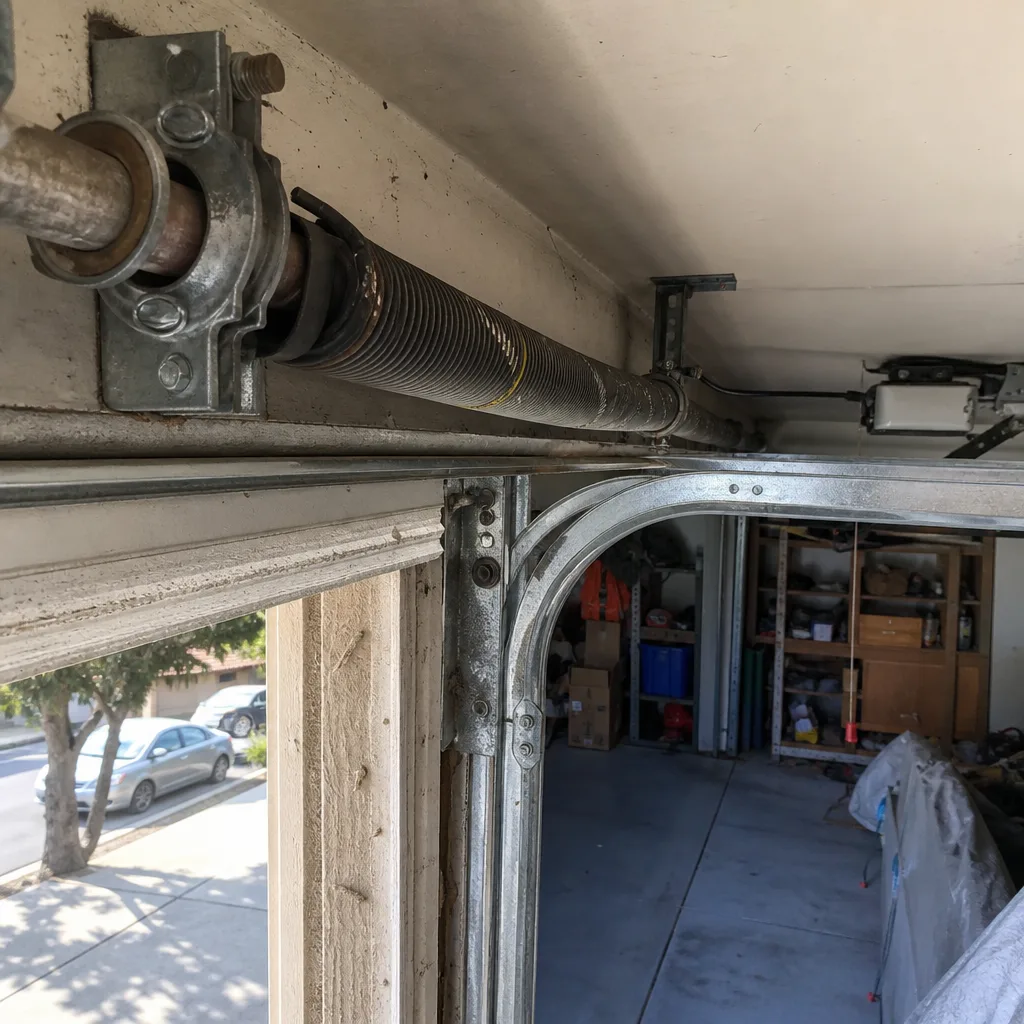 Before
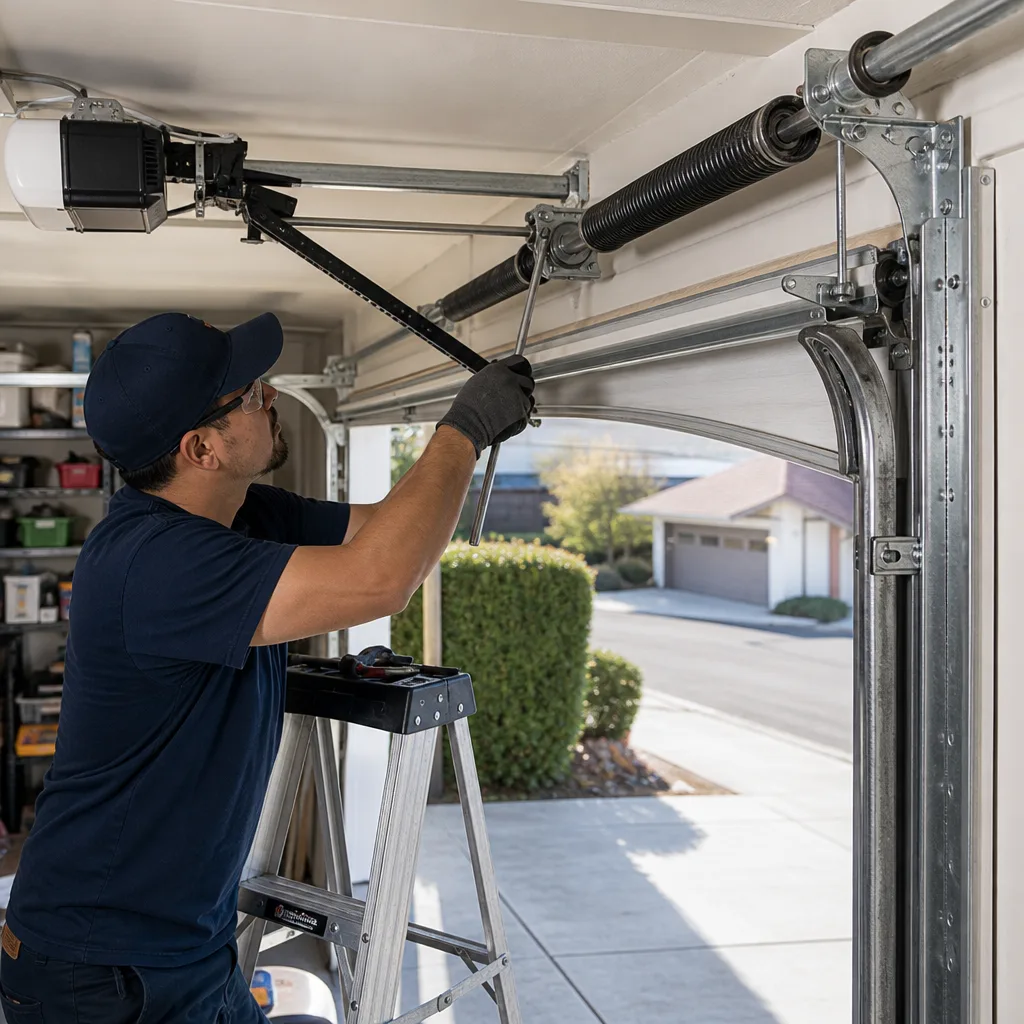 After
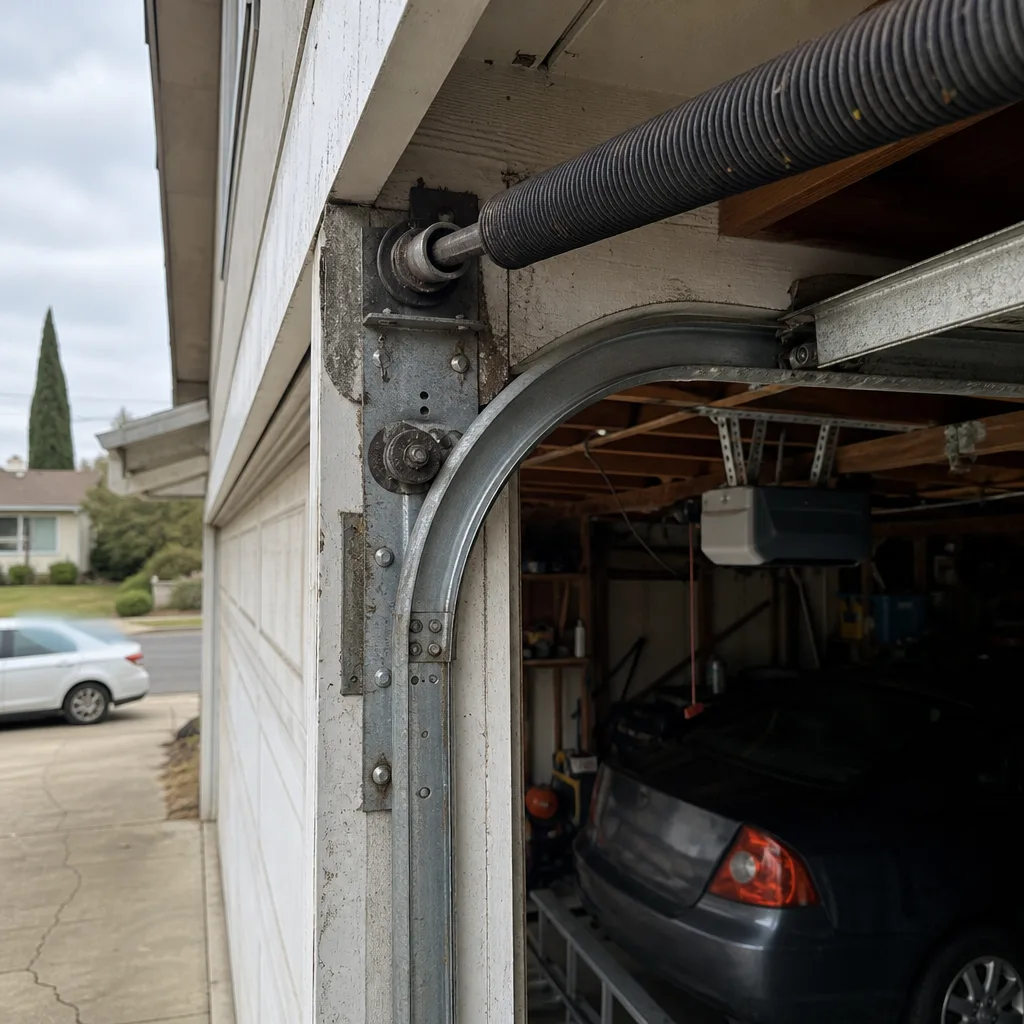 Before
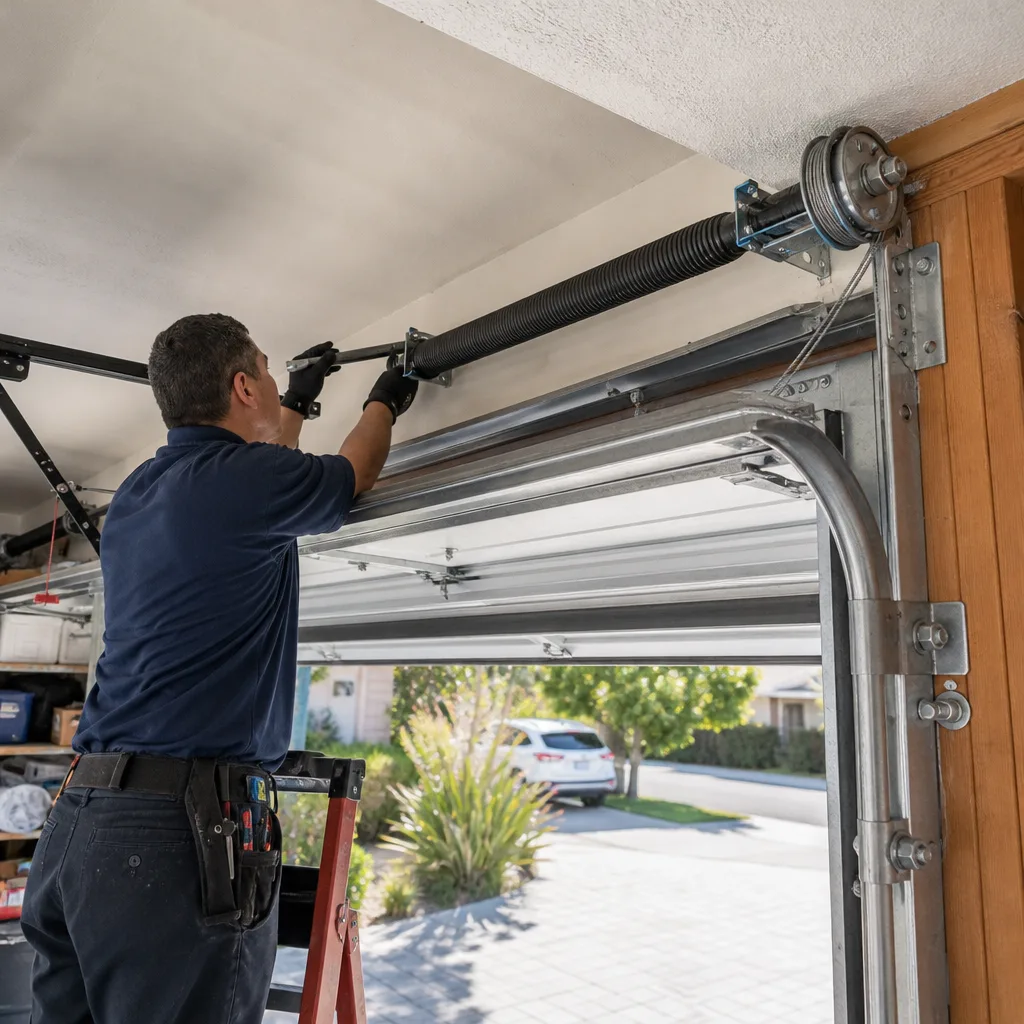 After
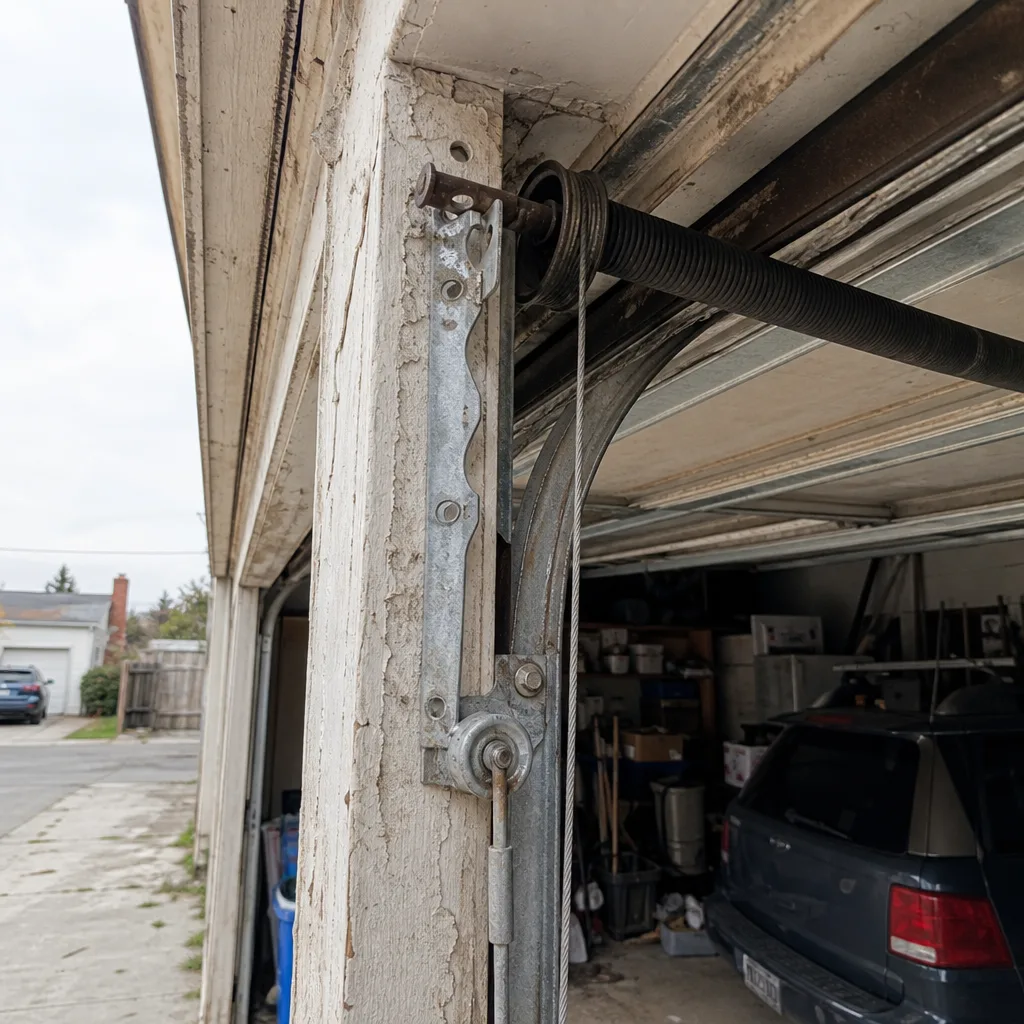 Before
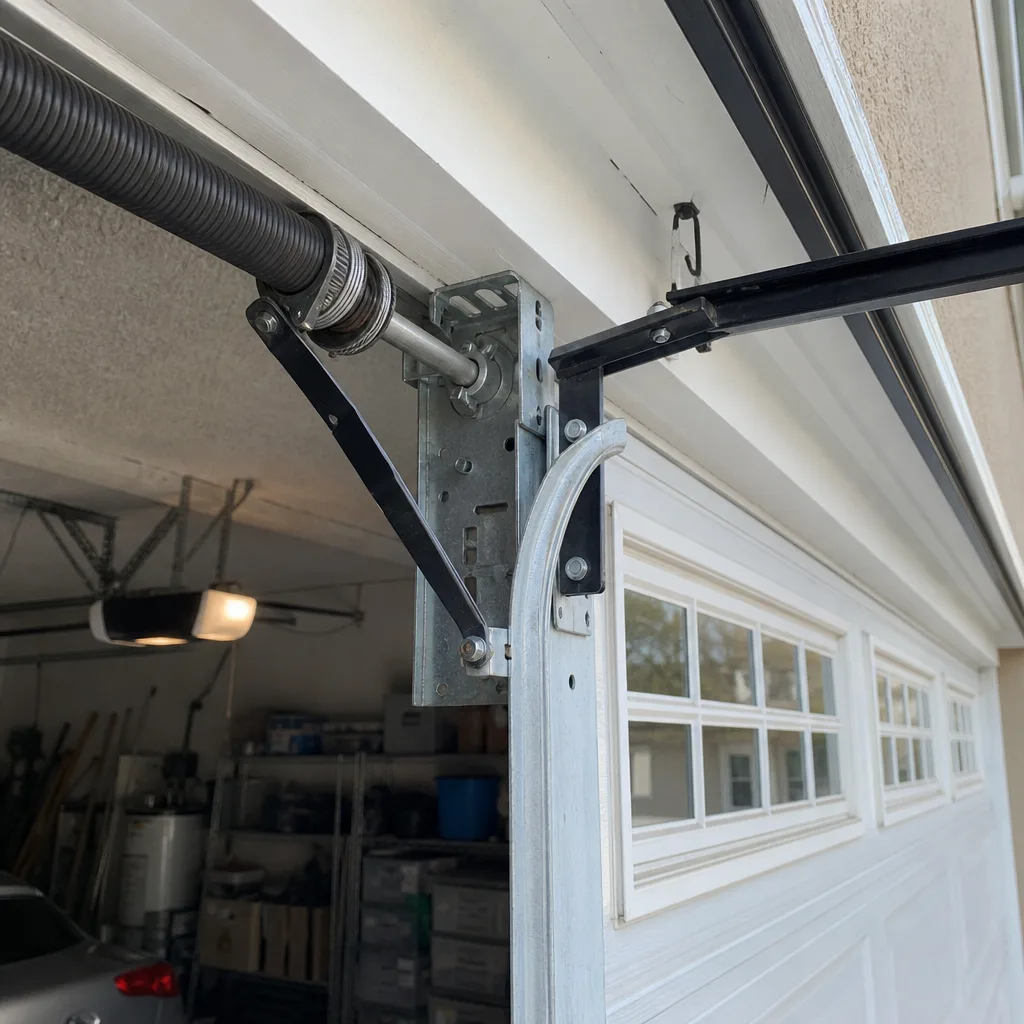 After