
Last updated October 31, 2026
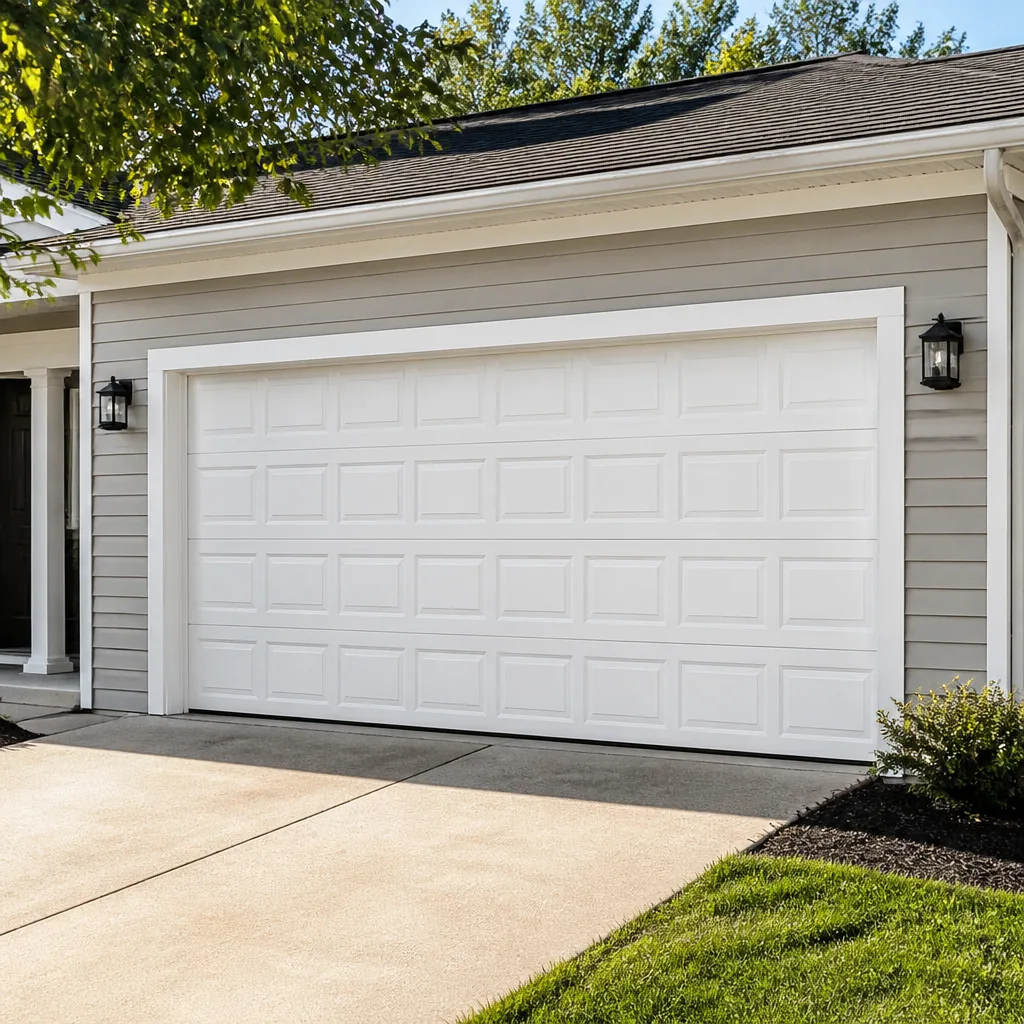 Raised-panel steel
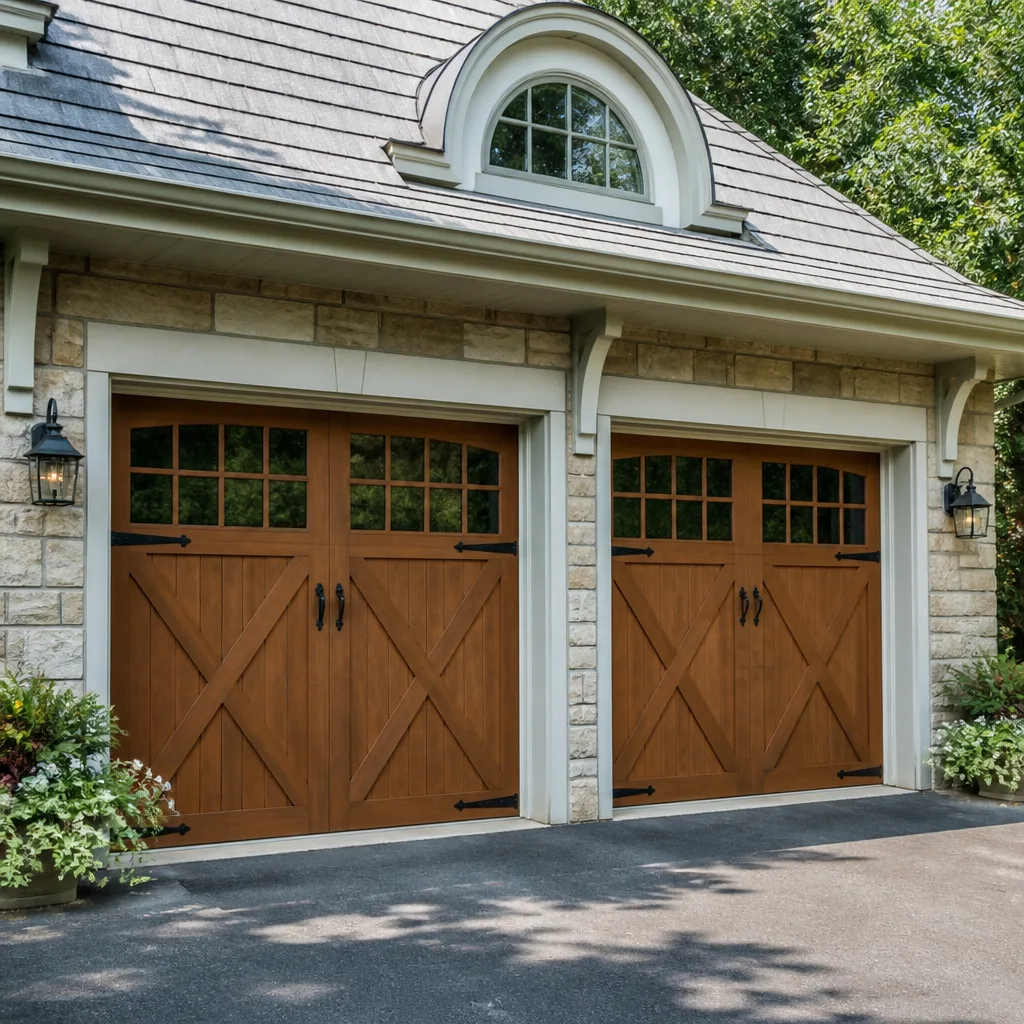 Carriage house
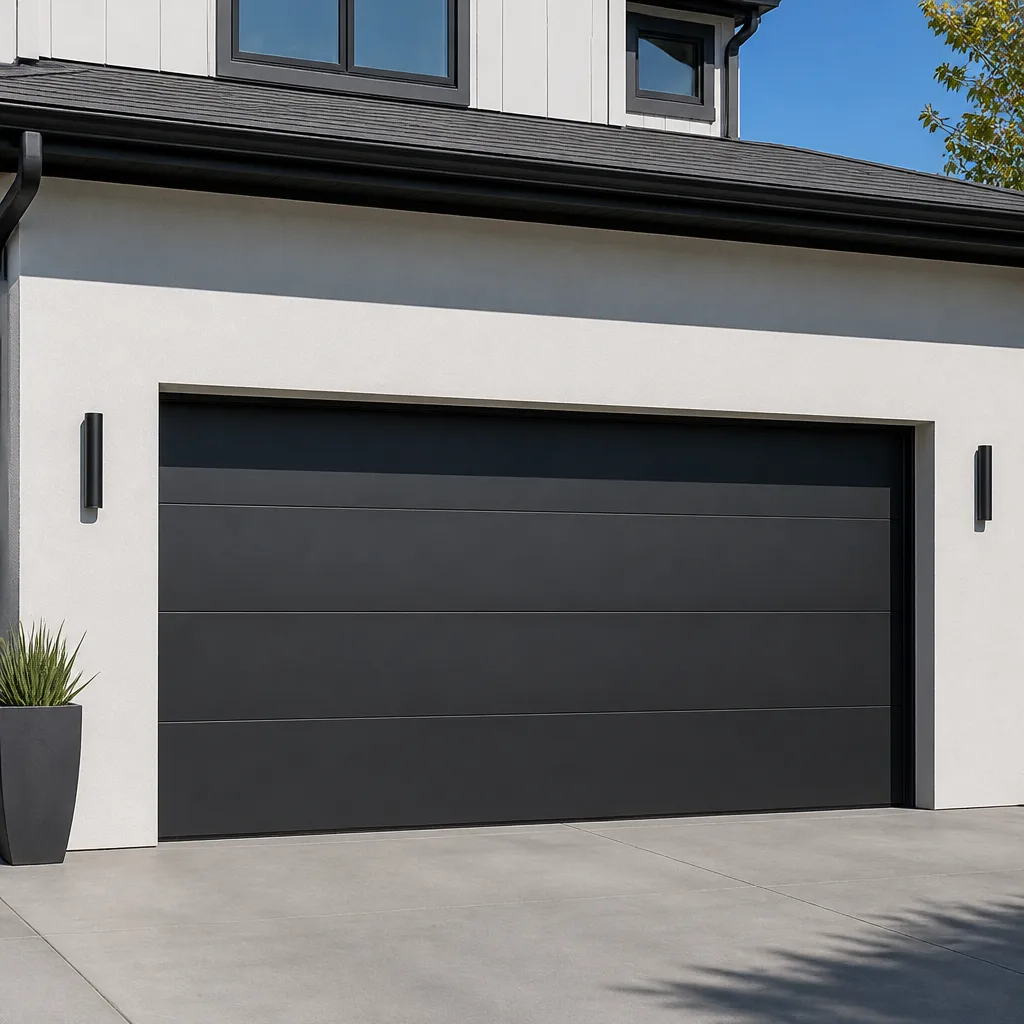 Modern flush
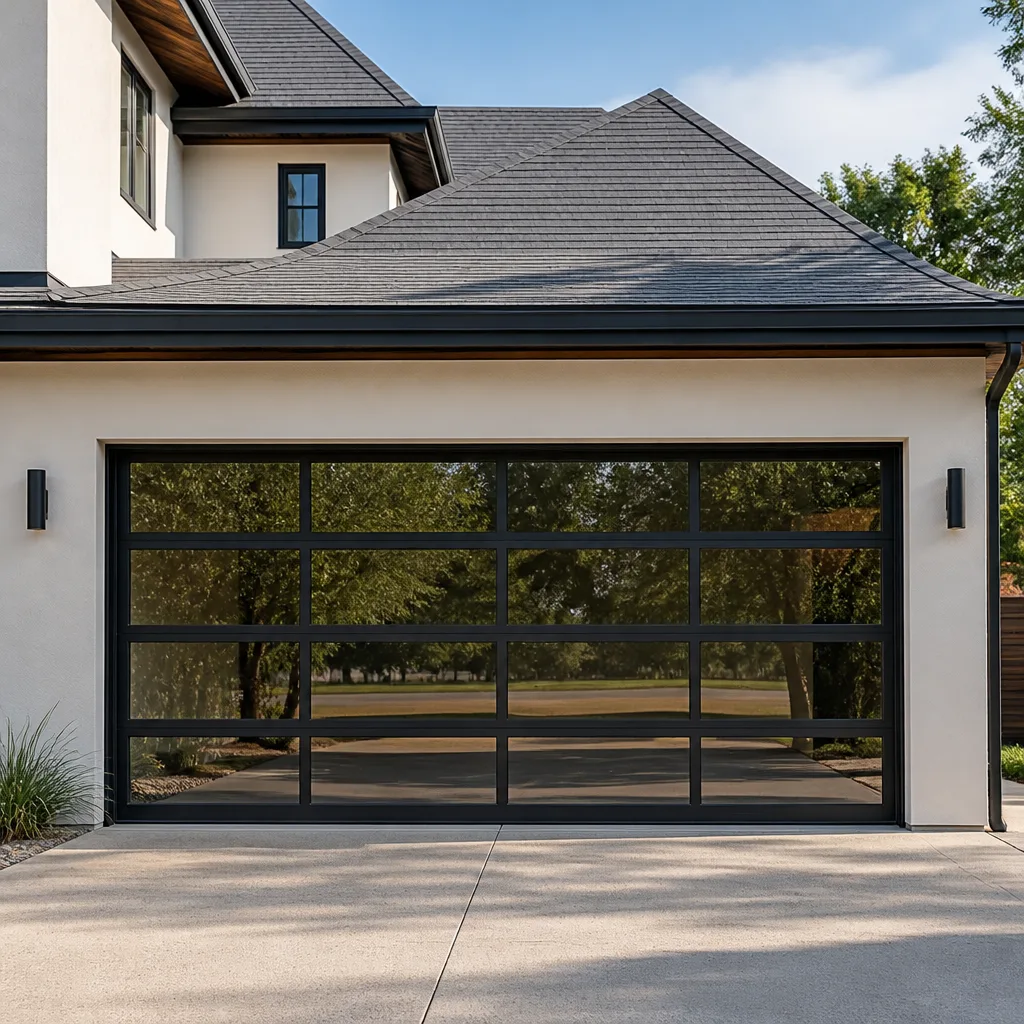 Full-view glass
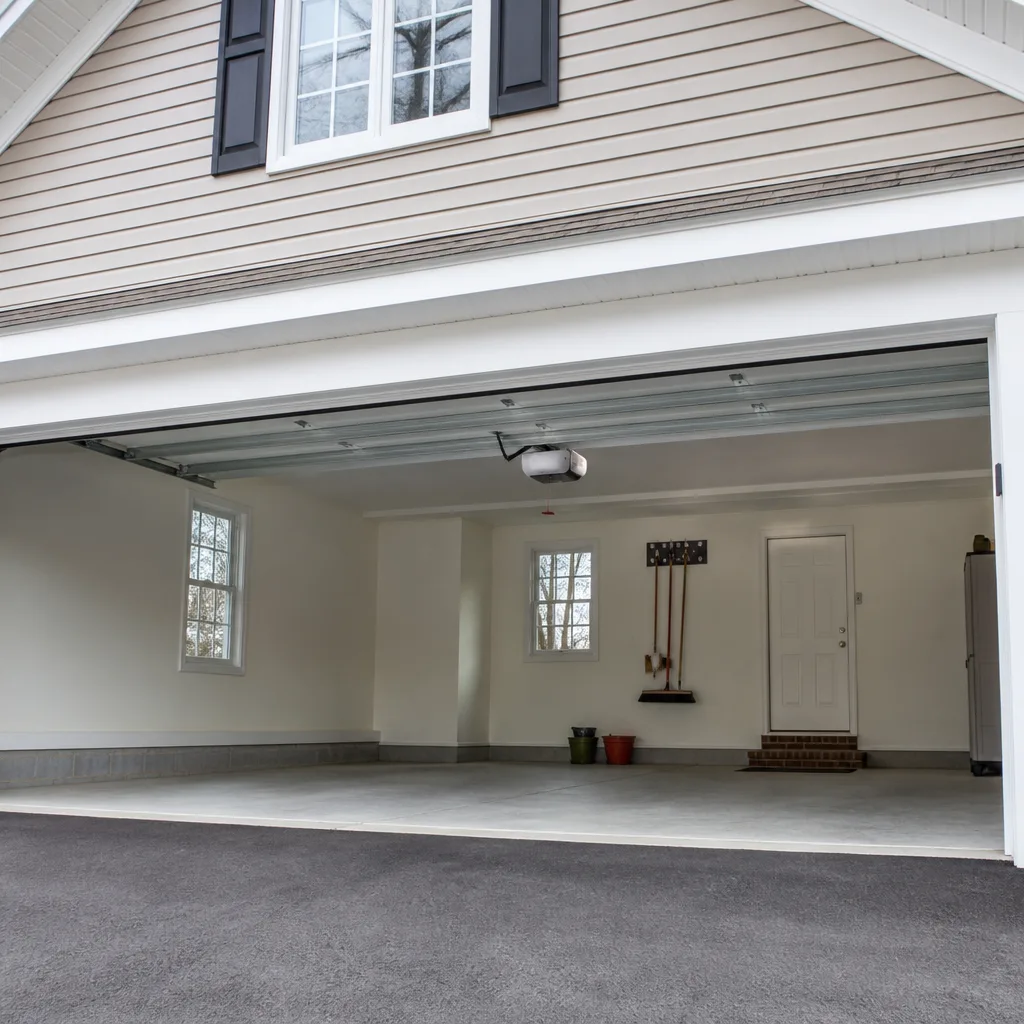 LiftMaster openers
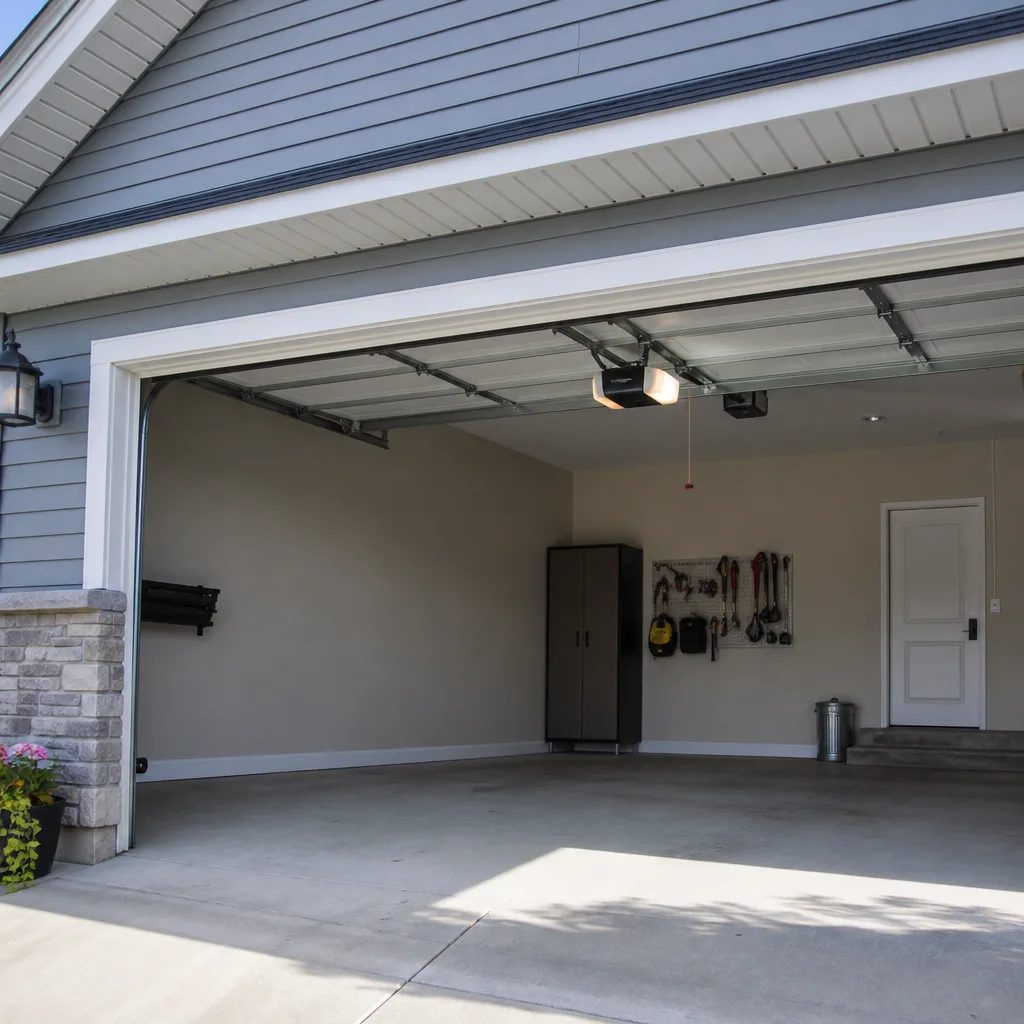 Chamberlain openers
Full 25-point door and opener safety check with every visit - springs, cables, rollers, tracks, and your LiftMaster or Chamberlain opener included
You get a price before we start. It does not change when the truck arrives.
Get your free estimateGarage Door Emergency Preparedness Guide for Los Angeles Homes
Most Los Angeles homeowners think about garage door maintenance the way they think about earthquake kits: abstractly, until the moment they need it. Then it’s 3 a.m., the door won’t open, and the car that needs to get to the hospital is trapped inside. Here’s what the data actually tells us about garage door emergencies in LA: the overwhelming majority happen during or immediately after one of four events, and nearly all of them are made worse by a homeowner who never learned the basics of their own door system. This guide covers the four failure scenarios we actually see across Los Angeles, from Granada Hills to Glassell Park, and gives you the protocols to handle each one. For more guides & resources, see our blog. You’ll learn the manual release procedure for all three major opener types, the post-earthquake inspection points that matter, how to test a battery backup, and what documentation to keep before an emergency ever happens.
Styles & brands we work with
Quick Answer
A garage door emergency in Los Angeles most commonly takes one of four forms: earthquake track damage, power failure during wildfire evacuation, a broken spring that traps a car, or a door that will not close during high wind. Each requires a different response. The single most important preparedness step is knowing your opener’s manual release procedure and testing it before you need it; the second is documenting your door’s model, spring type, and opener brand so a repair call moves faster. See our Garage Door Repair Troubleshooting: Common Problems and How to Fix Them for additional diagnostic help.
Table of Contents
- The Four Emergencies Los Angeles Actually Experiences
- How to Operate the Manual Release on Any LA Opener
- Post-Earthquake Inspection: What to Check Before Touching the Door
- Battery Backup Openers: California Law and Real-World Runtime
- How to Temporarily Secure a Door That Won’t Close
- Building Your Emergency Door File: What to Document Now
- Common Mistakes to Avoid
- When to Call a Professional
- Frequently Asked Questions
- The Bottom Line
The Four Emergencies Los Angeles Actually Experiences
Garage door failures in Los Angeles follow a pattern. We can map them to the city’s geography and climate almost perfectly. During the 2019 Saddleridge fire, some Porter Ranch and Granada Hills residents could not open their garage doors during evacuation because the power was out and they had never practiced the manual release. That is not an edge case. In LA, emergency garage door preparedness maps directly to the disasters this region actually experiences, not hypothetical scenarios from a national checklist. Our Garage Door Repair Maintenance Checklist for Los Angeles Homeowners covers routine steps to avoid these failures.
1. Earthquake-Related Track Damage
A garage door is a 200 to 400 pound panel riding on thin metal tracks bolted to the frame of your house. When the house shifts, the tracks shift. Sometimes the shift is subtle, a quarter inch out of square, and the door still operates but binds. Sometimes the track separates from the wall entirely and the door cannot move. The 1994 Northridge earthquake knocked thousands of garage doors out of alignment across the San Fernando Valley, and smaller events like the 2019 Ridgecrest sequence sent ripples felt in LA that did the same. After any earthquake strong enough to rattle dishes in Los Angeles, inspect before operating.
2. Power Outage During Wildfire Evacuation
This is the Saddleridge scenario, and it applies equally to Santa Ana wind events where utility companies conduct public safety power shutoffs. Your opener is useless without power. If you have never pulled the red emergency release cord, you are relying on muscle memory you do not have during a high-stress evacuation. The battery backup opener is the fix here, and we cover it in detail below. But the manual release is the fallback for every household regardless of backup status.
3. Broken Spring That Traps a Car Inside
A torsion spring breaks with a sound like a gunshot. After that, the door weighs its full weight, roughly 130 to 400 pounds depending on material. The opener motor is not designed to lift that load, and in most cases the emergency release will not help you either, because the door is too heavy to lift by hand. This is the emergency that strands your car inside the garage. In Los Angeles, where a huge percentage of homes have attached garages as the primary vehicle entrance, a broken spring is not an inconvenience. It is a mobility failure.
4. Door That Won’t Close During a Wind Event
Santa Ana winds hit 40 to 60 mph in the foothills and valleys, and gusts in passes like the 5 corridor through Sylmar can exceed 70 mph. A garage door is the largest flat surface on the front of your house. When it will not close, whether from debris in the track, a photo-eye misalignment, or wind pressure flexing the panel, you are left with an open hole into your home during conditions that also bring dust, embers, and sometimes smoke. Securing that opening, even temporarily, matters.
How to Operate the Manual Release on Any LA Opener
The manual release is a red cord, usually with a plastic T-handle, hanging from the opener rail. Pulling it disconnects the door from the opener carriage so you can move the door by hand. This is the single most important skill for garage door emergencies in Los Angeles. Practice it twice a year, the same week you check smoke alarm batteries.
The Three Opener Types You’ll Find in LA Homes
Most residential openers in the city fall into one of three release designs. The procedure is similar across all three, but the carriage type changes the reconnect step.
- Craftsman and older Chamberlain chain-drive models: The release cord hangs directly below the carriage. Pull down firmly and the carriage disengages with a click. The door will now slide manually along the rail.
- Raynor and newer LiftMaster belt-drive models: These use a carriage that stays locked in the release position until you reactivate the door. Same pull-down motion, but you will hear a distinct two-stage click.
- Genie screw-drive models: The release is a spring-loaded lever rather than a cord on some older units. You pull the lever toward the door. The carriage slides freely on the screw.
The Step-by-Step Procedure
- Close the door fully using the opener if power is available. If the door is already broken mid-travel, skip this step but proceed with extreme caution.
- Pull the red release cord straight down toward the floor. You may need to pull slightly toward the door to fully disengage the carriage.
- Grip the door’s bottom handle or bottom rail. Lift with your legs, not your back. The door should move freely but feel heavy, roughly 8 to 15 pounds of lift force.
- Raise the door until fully open and let it rest in the open position. If the door starts to drift down, the spring assembly is compromised.
- To reconnect, activate the opener with the wall button. The carriage moves along the rail and re-engages automatically on most models. You may need to pull the release cord toward the opener to help it seat.
Critical safety caveat: if the door will not lift, or it lifts a few inches and then becomes extremely heavy, stop immediately. This indicates a broken spring, and the door is holding hundreds of pounds of unsprung weight. Forcing it or letting it slam down can cause serious injury or death. Broken springs are not a DIY repair. Call a professional who carries the right spring stock for your door. Onyx Garage Door Service works on torsion and extension spring systems across all eight major brands, including the Craftsman and Chamberlain openers most common in Valley homes.
Post-Earthquake Inspection: What to Check Before Touching the Door
After a quake, the garage door is one of the fastest structural indicators you have. The opening reveals whether the house frame has shifted. Before you hit the opener button, run through this checklist. It takes three minutes.
- Stand back and look at the door in relation to the header. The gap between the top of the door and the top of the opening should be even left to right. If one side is tighter, the opening has shifted.
- Check the vertical tracks on both sides. They should be parallel to the door edge. Gap changes of more than a quarter inch indicate track movement.
- Look at the wall brackets. Each track is held by three or four lag bolts into the studs. If any bracket has pulled away from the wall, or you see fresh cracks radiating from the bolt holes, do not operate the door.
- Check the spring assembly above the door. Torsion springs should be centered and evenly spaced. If a spring looks stretched, separated, or has visible gaps in the coil, it is damaged.
- Look at the bottom of the door. The bottom seal should touch the floor evenly. A gap on one side means the door or the floor has moved.
- Operate the door manually using the release cord. Move it a foot at a time and listen for grinding, scraping, or sudden binding. Anything beyond normal roller noise means stop.
In our experience in Los Angeles, the most common post-quake damage is not dramatic track collapse. It is subtle misalignment in the vertical track that causes the door to bind halfway up two days later. The door appears fine, works fine for several cycles, then a roller pops out of the track and the door jams. If you have any doubt after inspection, have a professional check the track alignment. Garage Door Repair in South Gate covers the full inspection scope for earthquake-damaged systems, and the same protocol applies across greater Los Angeles.
Battery Backup Openers: California Law and Real-World Runtime
California has required battery backup on all newly installed residential garage door openers since July 1, 2019. Learn more in our guide to Garage Door Permits, Codes & Inspections in CA: What You Need to Know. That law, part of SB 969, came directly out of wildfire evacuation failures, including the Saddleridge scenario. If your opener was installed before 2019, it likely has no backup. If it was installed after, it almost certainly does, but that does not mean the battery is functional.
How to Test Your Battery Backup
- Unplug the opener from the ceiling outlet. Do not trip the breaker; just unplug the unit itself.
- Press the wall button. The door should operate, though usually at a slightly slower speed.
- Cycle the door open and closed once while unplugged.
- Plug the unit back in. If the door did not operate on backup, call a professional. The battery is either failed or the unit was installed without one.
Real-World Runtime
Manufacturer claims for battery backup runtime range from 20 to 50 cycles, but those numbers assume a new battery and an ideal load. In the real world, a battery that is two to three years old will deliver fewer cycles, and a door with any friction in the track or aging springs draws more current. For Los Angeles homeowners, the practical answer is this: a healthy battery will get you through a single evacuation event, not multiple days. If you have a LiftMaster or Chamberlain opener with backup, test it twice a year. If your opener predates the 2019 law and you live in a wildfire risk zone, a backup-capable opener is worth the upgrade. If you are replacing an opener for any reason, make sure the new unit includes a battery. Garage Door Opener Repair in South Gate covers backup-equipped opener installation, and Onyx technicians can verify compliance on any existing system.
How to Temporarily Secure a Door That Won’t Close
A garage door that will not close is a different emergency than one that will not open. The priorities are security, smoke and ember containment, and preventing wind damage. This is a temporary measure until a professional can arrive. Do not treat it as a repair.
The Vise Grip Method (For Sectional Doors)
- Attempt to close the door manually using the release cord. If the door lowers but will not stay down, the spring tension is misaligned or a cable has come off the drum.
- If the door lowers and then drifts back up, clamp a locking plier, commonly a Vise Grip, onto the track directly below one of the bottom rollers on each side.
- The clamp physically blocks the roller from moving up, which holds the door in the closed position.
- Label the clamped door clearly so no one presses the opener button. A door pushing against locked clamps can damage the panel or pull the opener carriage off the rail.
A Secondary Lock or Brace for Extended Outages
If the door must stay closed for more than a few hours, for example during a multi-day smoke event in the San Fernando Valley or a windstorm that knocks out power, install a hasp and padlock at the bottom of the door if your panel has a reinforced bottom channel. Many older Raynor and Wayne Dalton doors have pre-drilled holes for slide bolts. Drill into the track, not the panel face, to avoid weakening the section. For wildfire smoke containment, remember that a standard garage door seal does not create a true air barrier. Smoke will enter through gaps at the top, sides, and around the bottom seal. A temporary fix is to tape plastic sheeting over the interior of the door opening, but the goal is reducing ingress, not eliminating it.
Building Your Emergency Door File: What to Document Now
The fastest repair calls are the ones where the homeowner can answer three questions without digging through a drawer: what brand of opener, what brand of door, and what type of spring. In a Los Angeles emergency, whether it is 100-degree heat or smoke in the air, every minute matters. Here is what we recommend documenting and keeping taped to the inside of the garage door frame, where you will see it during any door-related problem.
- Door brand and model: Clopay, Amarr, Wayne Dalton, Raynor, or another. The model is often printed on a label on the interior of the top panel.
- Opener brand and model: LiftMaster, Chamberlain, Genie, Craftsman, or another. The model number is on the motor unit.
- Spring type: Torsion (the bar above the door) or extension (springs along the sides). Note the color of the torsion spring cones, which indicates wire gauge and lift rating for that spring stock.
- Installation date: Approximate is fine. Garage door springs last roughly 10,000 cycles, which translates to 7 to 10 years in a typical single-car LA garage used twice daily.
- Service history: Any prior repairs, spring replacements, cable fixes, or opener changes, with dates.
- Battery backup status: Whether your opener has one and when the battery was last replaced.
Take a photo of the door with the brand label visible and store it on your phone under a garage emergency album. When you call a professional, you can send that photo instantly. Onyx technicians service all eight major residential brands, including the LiftMaster, Chamberlain, Genie, and Craftsman systems most common in Los Angeles homes. Knowing your exact model before the call cuts diagnosis time significantly because the tech arrives with the correct parts, not a generic guess. Garage Door Installation in South Gate shows how we document new systems at install, and the same standard applies across LA.
Common Mistakes to Avoid
- Yanking the manual release cord with the door open and a broken spring. If the door is already open and the spring gives out, pulling the release cord lets 300 pounds of door crash to the concrete floor. Never touch the release on a door that is already damaged unless you are trained to assess spring condition first.
- Testing battery backup for the first time during an evacuation. We see this in Los Angeles every fire season. The backup battery is dead, the manual release is unfamiliar, and a homeowner is stuck in their own driveway. Test it now, not in October.
- Operating the door after an earthquake without inspecting the tracks first. A small misalignment becomes a popped roller and a jammed door mid-cycle. The inspection takes three minutes and prevents additional damage.
- Assuming the door is fine because it closed once. Post-quake track damage in LA is often progressive. The door works two or three times, then binds. If you saw visible track movement, have it checked even if it appears operational.
- Using the opener to push a door past a binding point. When the opener fights resistance, it means something is wrong. Forcing the door through it strips gears, overheats the motor, and turns a simple fix into a full opener replacement.
- Ignoring the 2019 battery backup law on a new install from an unlicensed handyman. If someone installed an opener for you after 2019 and you do not have a backup battery, the install may not be code compliant. In a power outage evacuation, that is a real problem.
- Leaving the car inside the garage during high wind warnings in known trouble areas. If your door has failed before in wind events, or if you live in a canyon where Santa Ana winds hit hard, park the car outside on the street during red flag days. A stuck door and a trapped car during an evacuation is a preventable scenario.
When to Call a Professional
Some garage door emergencies are not DIY situations, even for capable homeowners. If the spring is broken, the door is too heavy to move safely, and spring replacement requires winding bars and counter-torque procedures that can seriously injure an untrained person. If the track has separated from the wall after an earthquake, re-securing it to a shifted opening requires measuring and realignment rather than just re-bolting. If the opener gear has stripped, if a cable has snapped, or if the door will not move at all and the cause is unclear, call someone who works on your specific brand. Onyx Garage Door Service offers free estimates in Los Angeles. Call (877) 588-8251 and we’ll assess the situation, tell you what’s wrong, and quote the repair before any work starts. From a broken spring to a full new installation, one company, one call. We work on your brand, not just our preferred one.
Frequently Asked Questions
Emergency garage door repair in Los Angeles typically costs between $180 and $450 depending on the failure. A broken spring replacement runs $220 to $380 including the spring and labor for a standard torsion setup. A cable off the drum is usually $150 to $250. A full opener replacement, which is sometimes the fix when a pre-2019 unit fails during a power shutoff, runs $450 to $900 installed depending on the model and whether battery backup is included. These are Los Angeles market ranges for a professional, licensed operation. Call (877) 588-8251 for an exact quote on your door and system, estimates are free, and the price is always quoted and agreed before any work starts.
For emergencies in Los Angeles, yes, we prioritize same-day response for situations where a door is stuck open, stuck closed with a car inside, or creating a security risk. The fastest way to get on the schedule is to call (877) 588-8251 and describe what happened. We’ll tell you what to do in the meantime and give you an honest arrival window. The price is quoted and agreed before any work starts, so you will not be surprised when we arrive.
No. The quote you get on the phone is the quote we honor. If we find additional damage while working, we stop, show you what we found, and get your approval before proceeding. No work happens without a number attached. The price is quoted and agreed before any work starts, every time. That is a non-negotiable part of how Onyx operates.
We carry the most common spring stock, cables, rollers, photo-eyes, and opener parts for the eight major brands we service, including LiftMaster, Chamberlain, Genie, and Craftsman. In the vast majority of Los Angeles emergency calls, we complete the repair in a single visit. If you have a rarer panel or an older Raynor track configuration, we may need to order a specific part, and we will tell you that before you pay anything.
First, check the photo-eye sensors at the bottom of each track. Debris, wind-blown leaves and dust can block or misalign them, which tells the opener the doorway is obstructed and prevents closure. If the eyes are clean and aligned, lower the door manually using the release cord and use locking pliers on the track to hold it closed as described above. If the door will not lower manually either, a spring or cable issue is present. Do not force it. Call (877) 588-8251 and we will walk you through the safest temporary step while we head your way. The price is quoted and agreed before any work starts, and we will not leave you with a house open to the wind.
California law has required battery backup on all newly installed residential garage door openers since July 1, 2019. If your opener was installed after that date, it should have backup capability. If it was installed before, it is likely not compliant, and you are relying entirely on the manual release during a power outage. Los Angeles homeowners in wildfire risk zones, which includes most foothill and canyon communities, should strongly consider upgrading. Onyx installs California-compliant backup openers and can test your existing battery during any service call.
The Bottom Line
Los Angeles garage door emergencies are predictable. Earthquakes shift tracks. Wildfire season brings power shutoffs that strand cars if you have not practiced the manual release. Springs break and trap vehicles inside. Wind events leave doors open when you need them closed. Preparing for these four scenarios means learning the manual release on your specific opener, testing your battery backup, inspecting after every quake, knowing how to temporarily secure a degraded door, and documenting your door and opener brands before an emergency hits. The on-call professional in Los Angeles is there to handle what you cannot; the documentation and basic protocols are yours. Learn them now. If you need help testing, inspecting, or upgrading, call Onyx Garage Door Service at (877) 588-8251 for a free estimate. Learn more about what we cover at the Onyx Garage Door Service home page, where you’ll find repair, opener, and installation coverage for all eight major brands.
Written by the team at Onyx Garage Door Service, serving Los Angeles since 2014.
See the difference
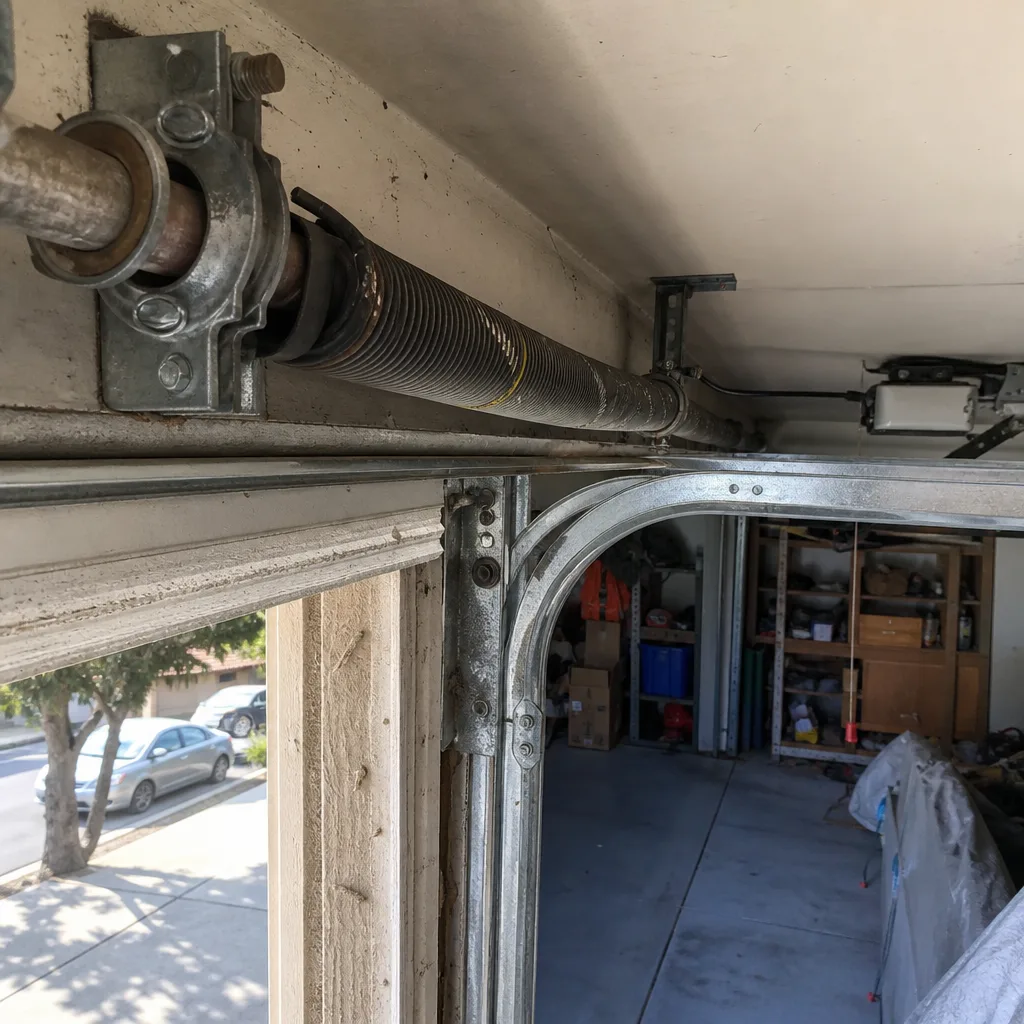 Before
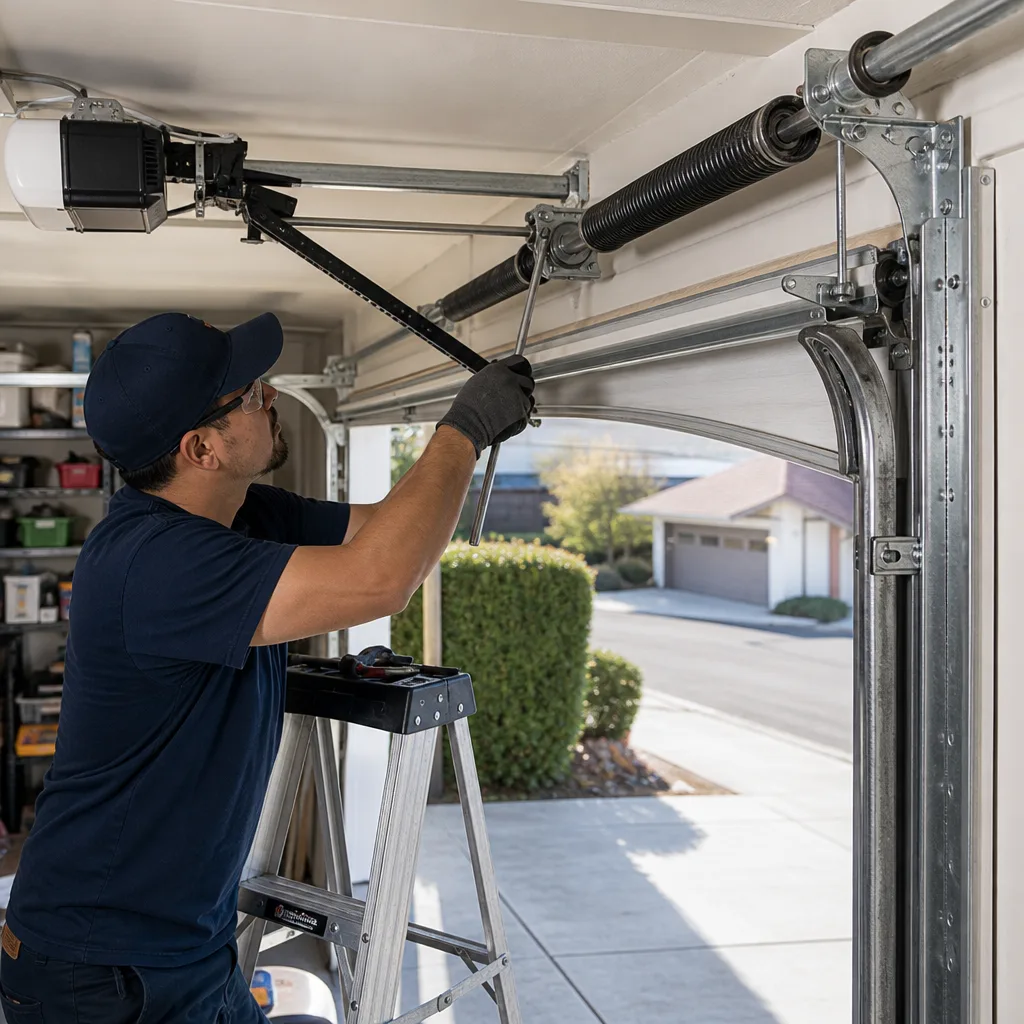 After
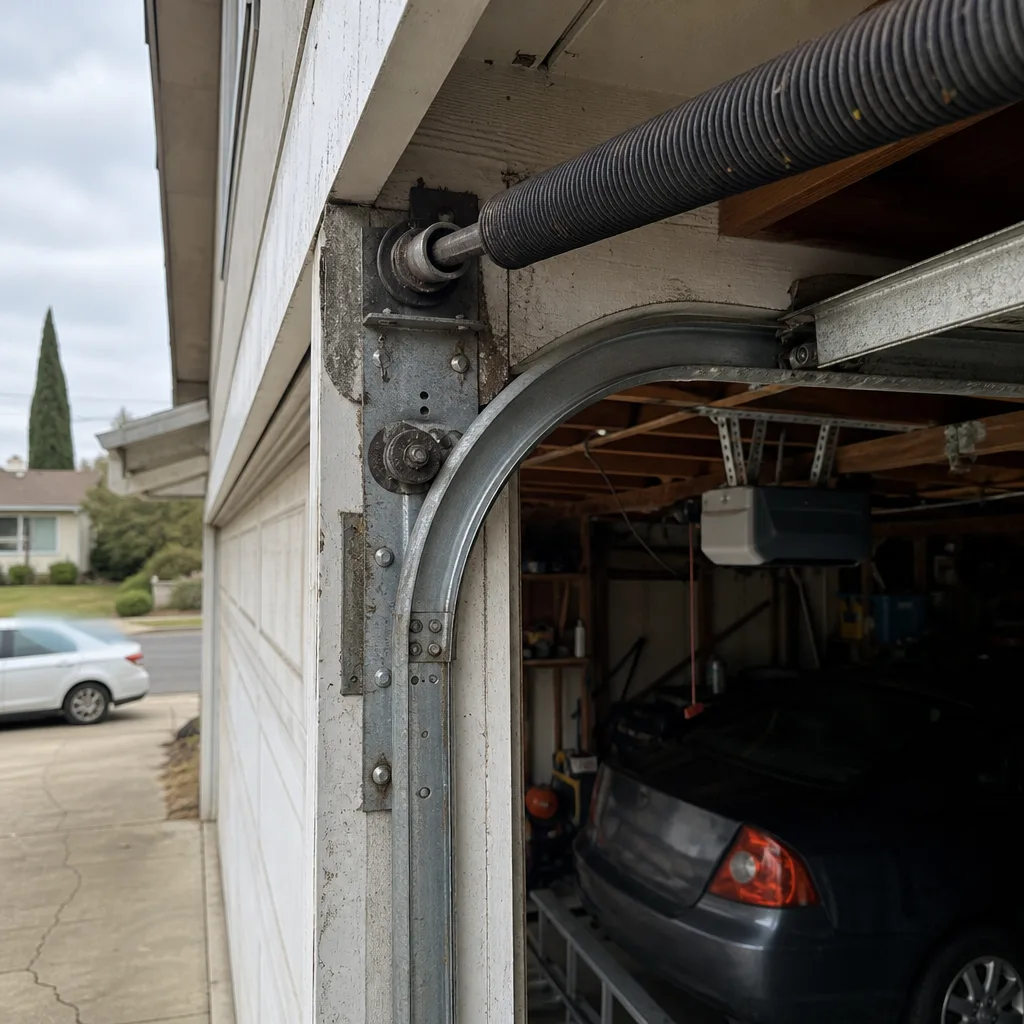 Before
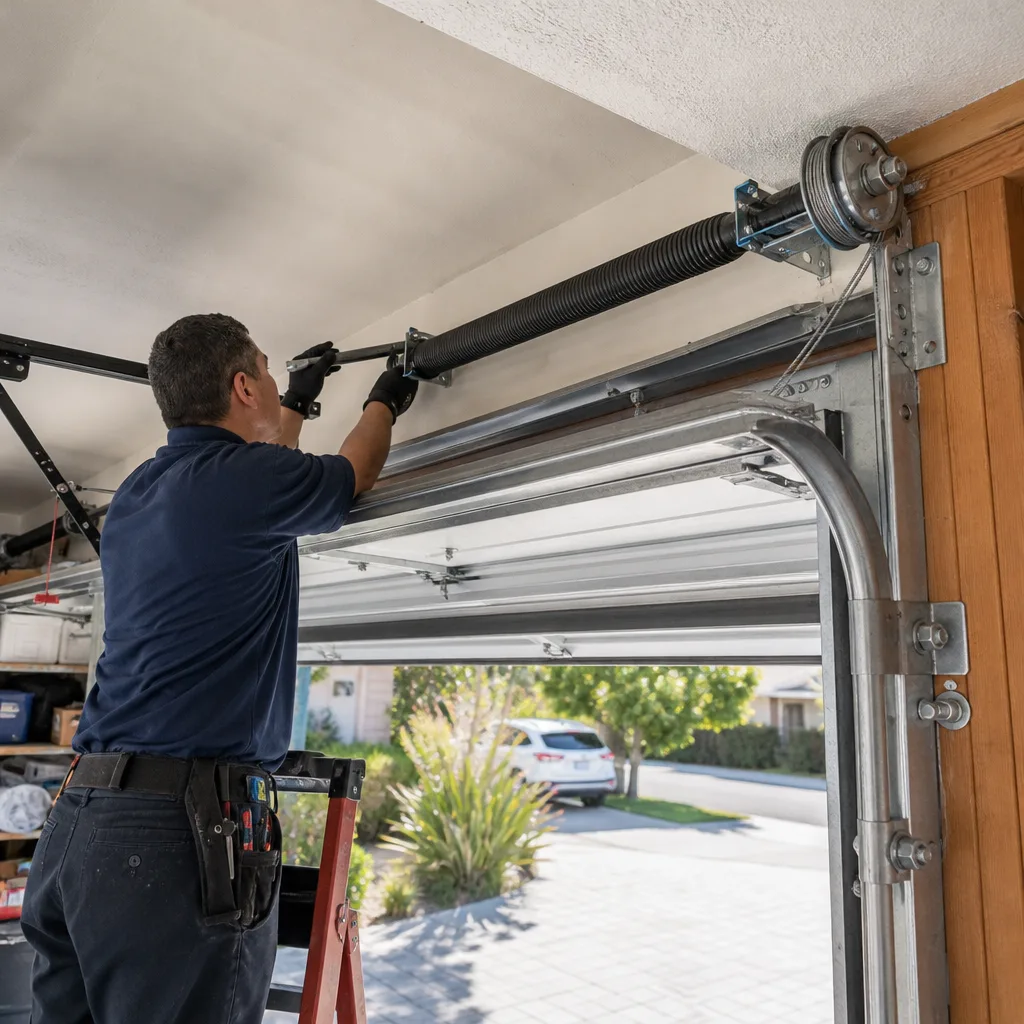 After
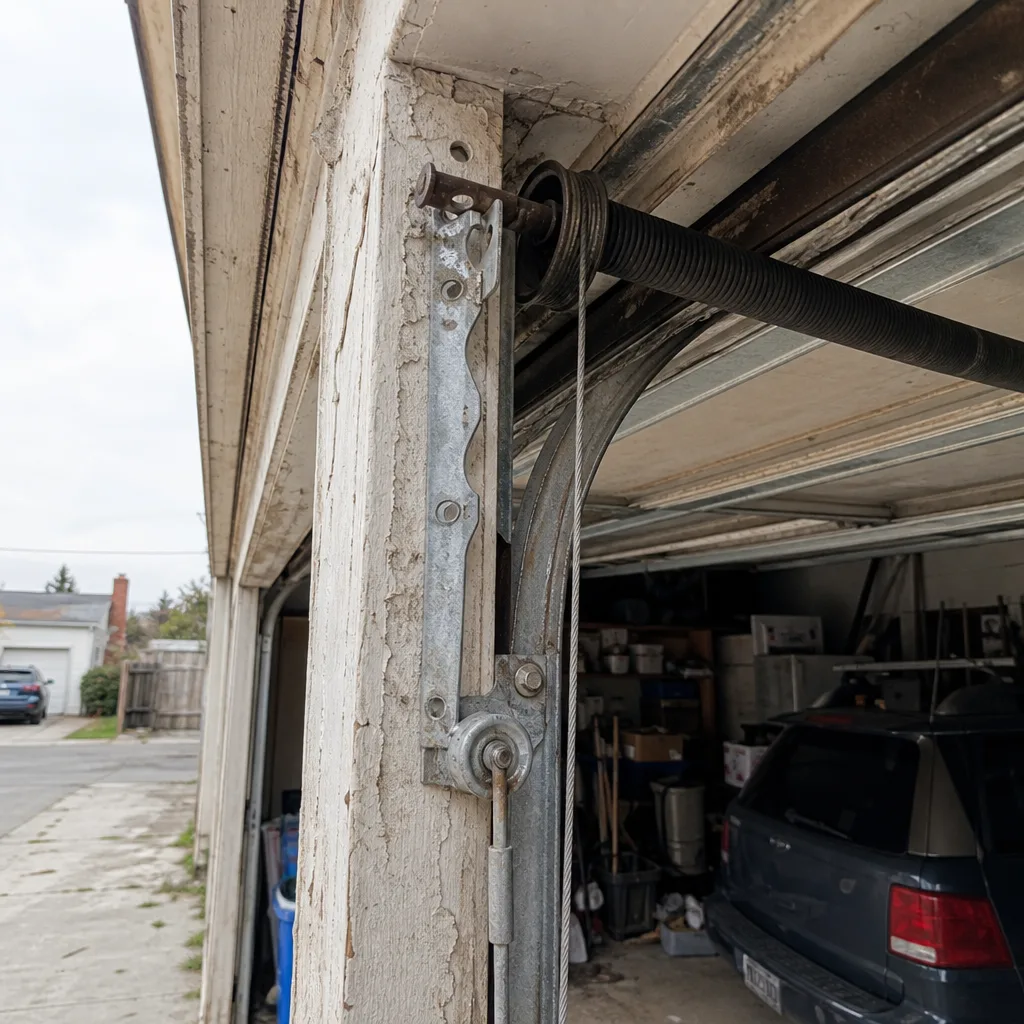 Before
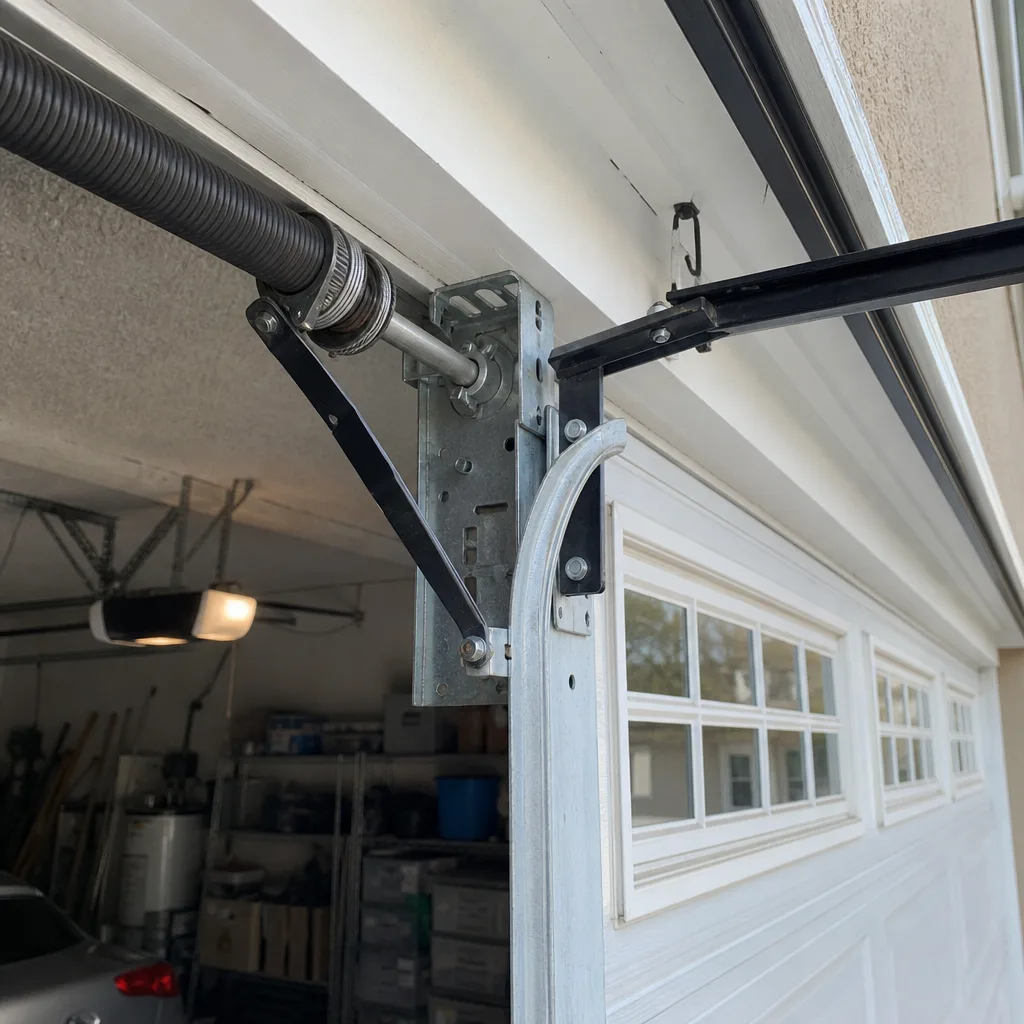 After