
Last updated October 31, 2026
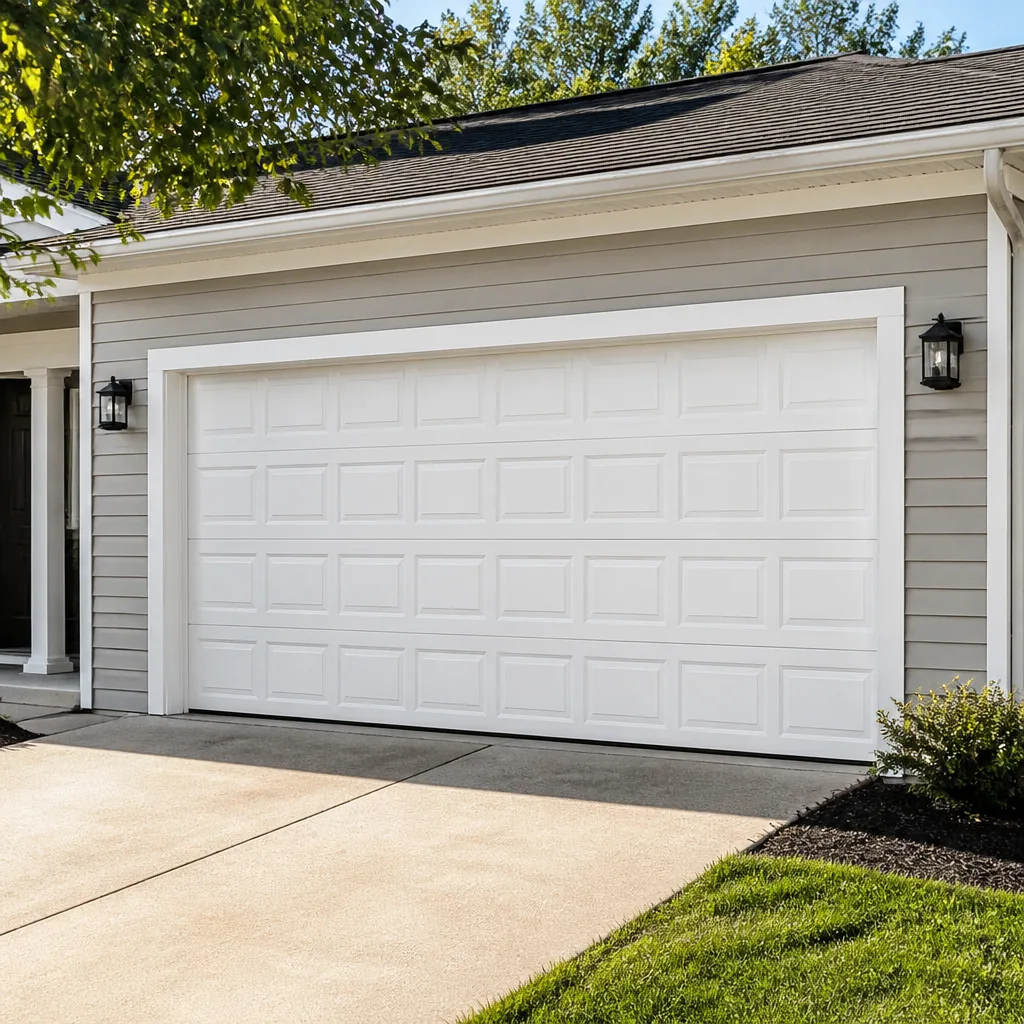 Raised-panel steel
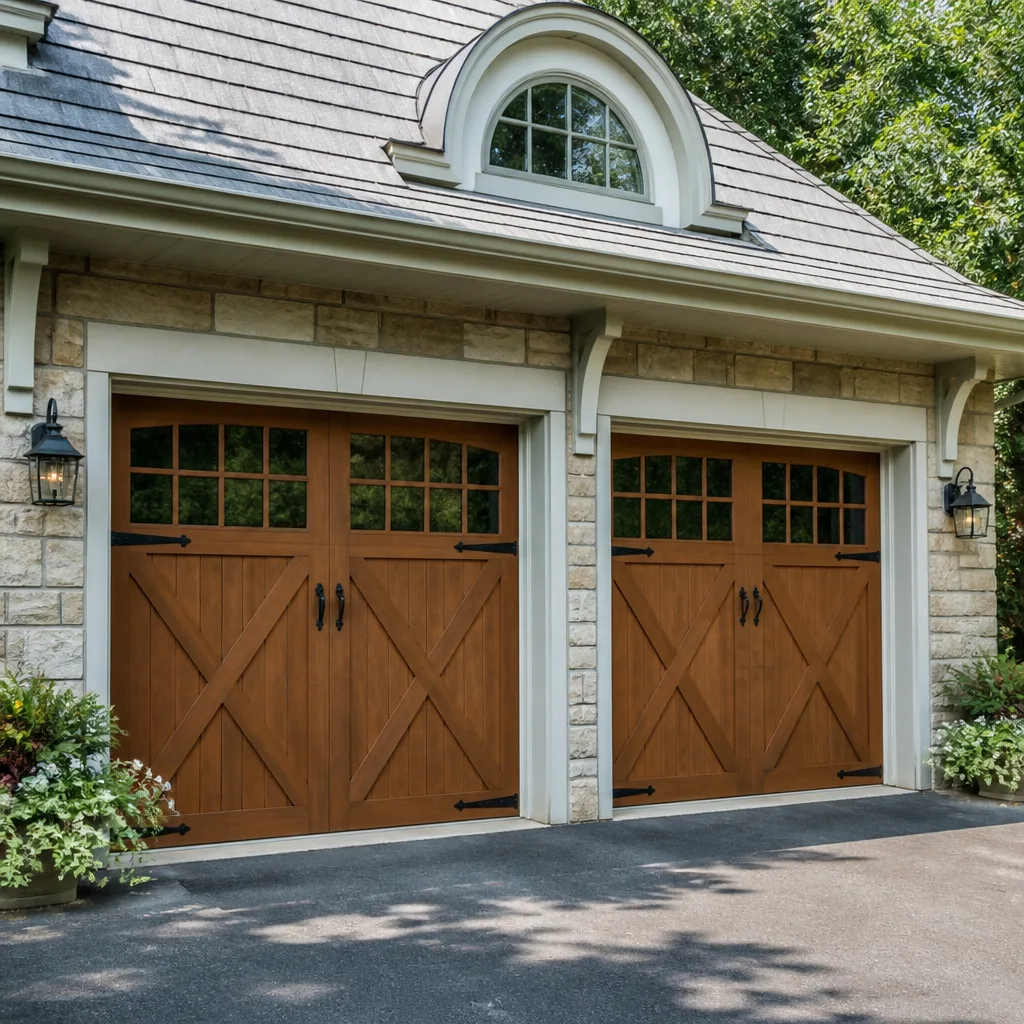 Carriage house
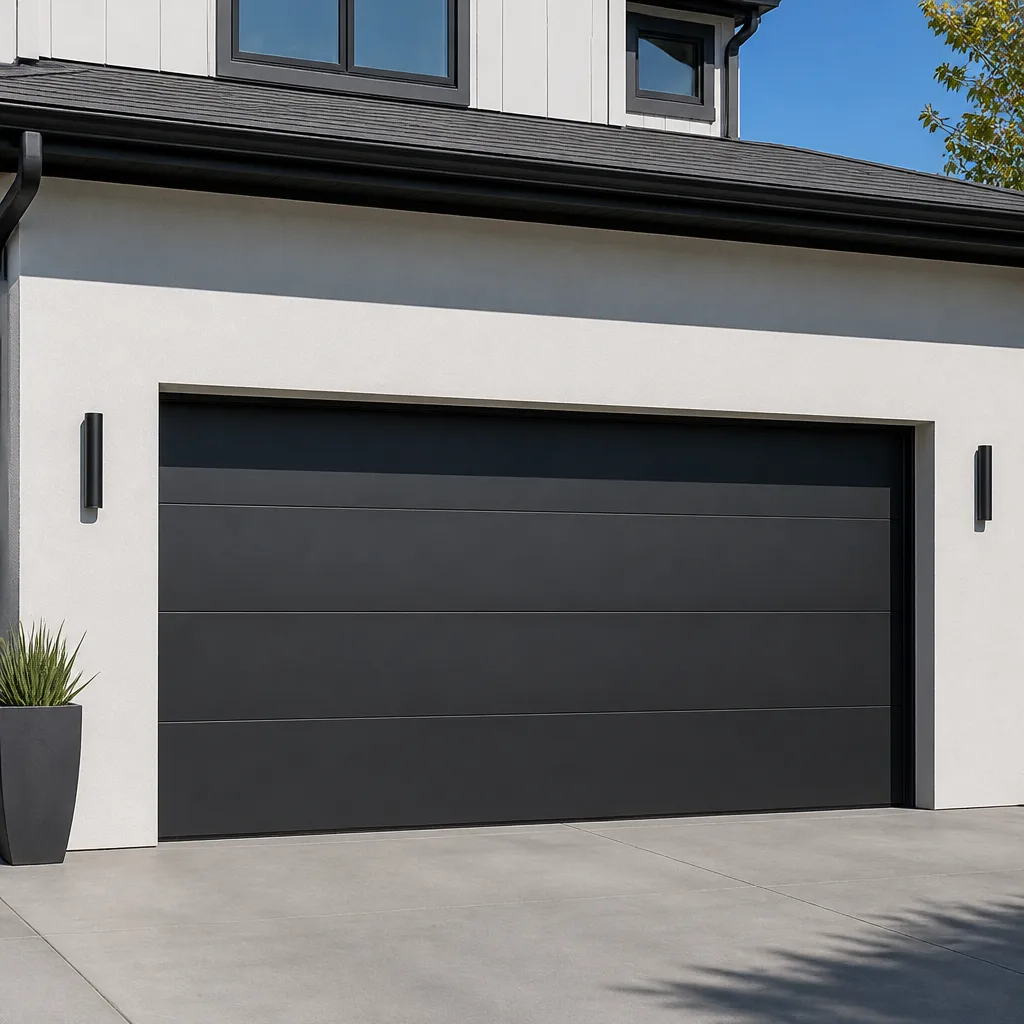 Modern flush
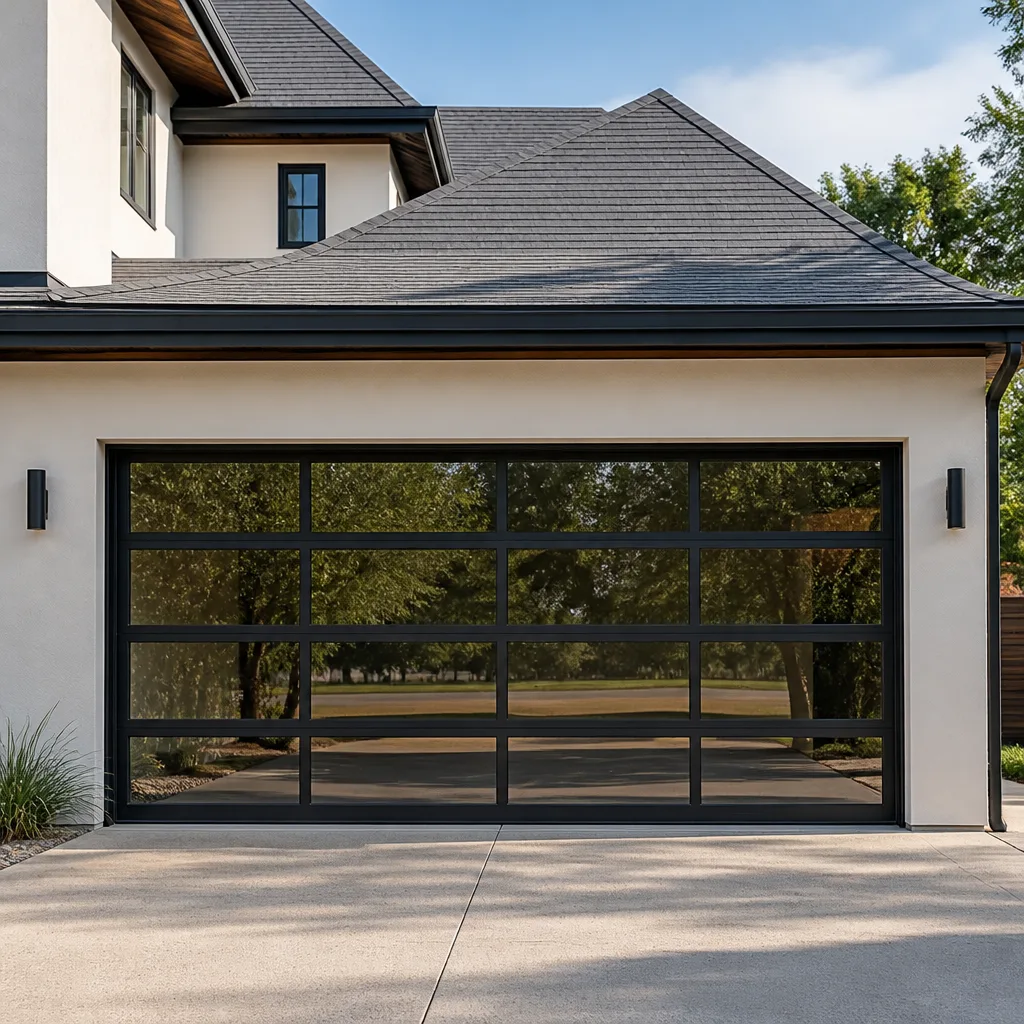 Full-view glass
 LiftMaster openers
 Chamberlain openers
Full 25-point door and opener safety check with every visit - springs, cables, rollers, tracks, and your LiftMaster or Chamberlain opener included
You get a price before we start. It does not change when the truck arrives.
Get your free estimateSeasonal Garage Door Care for Los Angeles: Year-Round Homeowner’s Guide
Telling a Los Angeles homeowner to “prepare your garage door for winter” is nearly useless advice. We don’t get ice storms or sub-zero nights, so the generic seasonal checklists published by national home sites miss the point almost entirely. What actually destroys garage doors in Los Angeles is a completely different calendar: Santa Ana wind loads that rack panels sideways in October, sustained 95-degree days that overheat opener motors and shift spring calibration in August, and a marine layer that quietly corrodes logic boards and remote housings from May through July. This guide maps the real seasons of Southern California against the components they stress, so you’ll know exactly what to inspect each month, what’s normal, and what signals a repair you shouldn’t put off.
Quick Answer
Seasonal garage door care in Los Angeles should follow four distinct cycles, not a generic four-season model. In summer heat, watch for opener thermal shutoff and torsion spring drift; in fall Santa Ana season, inspect panel-to-hinge fasteners and support struts for lateral stress; in winter rains, replace warped or cracked bottom weatherstripping and treat rust at lower brackets; and in spring marine layer months, clean oxidation from opener boards, remote contacts, and exposed metal surfaces. A 15-minute monthly check tied to each cycle prevents most repair calls we see in this city; for more guides & resources, see our blog.
Styles & brands we work with
Table of Contents
- Why Los Angeles Weather Demands a Different Seasonal Checklist
- June Through August: Heat, Thermal Shutoff, and Spring Drift
- September Through November: Santa Ana Wind Loads and Lateral Stress
- December Through February: Rain, Slab-Line Water, and Rust
- March Through May: Marine Layer, Condensation, and Corrosion
- Year-Round: Wildfire Smoke and Opener Motor Health
- A 15-Minute Monthly Inspection Checklist for Los Angeles Homes
- Common Mistakes to Avoid
- When to Call a Professional
- Frequently Asked Questions
Why Los Angeles Weather Demands a Different Seasonal Checklist
Garage doors in Los Angeles fail differently than they do in Chicago or Minneapolis. The national advice to “lubricate before winter” assumes freezing temperatures and road salt, neither of which applies here. Instead, LA’s climate produces a specific set of failure patterns: ultraviolet degradation from roughly 300 days of sun per year, dry-season particulate buildup inside opener motor housings, rapid rust formation wherever water pools at the slab line during concentrated winter downpours, and lateral wind forces during Santa Ana events that can shift a 16-foot-wide door out of square by enough to bind rollers against track. If you follow a Midwest seasonal checklist, you’ll spend time on tasks that don’t matter here and skip the ones that do.
In our experience working on garage doors across the LA basin, from Westside coastal homes to inland Valley properties, the same four environmental stress periods show up year after year. Heat in summer, wind in fall, water in winter, and condensation near the coast in spring. The good news is that each cycle has a narrow set of predictable weak points, and a small inspection routine in each window catches most problems while they’re still cheap fixes. This is exactly the kind of preventative work we do for homeowners at Onyx Garage Door Service home, where a quick service call often prevents a much larger repair two months later.
June Through August: Heat, Thermal Shutoff, and Spring Drift
When Los Angeles temperatures climb past 90 degrees for consecutive days, two things happen to garage door systems that almost never get mentioned in generic maintenance guides. First, torsion springs lose a fraction of their tension calibration as their steel expands and contracts through extreme daily temperature swings. Second, opener motors with built-in thermal protection shut down mid-cycle when internal temperatures exceed safe operating limits. We see calls every August from homeowners whose LiftMaster or Chamberlain opener simply stops responding after noon, only to work again at 9 p.m.
What to check during heat waves:
- Opener thermal cutoff: If your opener refuses to run during the hottest part of the day but works after sunset, the motor is hitting its thermal limit. This is a protection circuit, not a breakdown. Move your car out during morning hours or run the opener manually until the heat passes. If shutdowns continue at moderate temperatures, the motor’s cooling vents may be clogged with dust, and a professional cleaning may resolve it.
- Spring balance test: Disconnect the opener using the emergency release (with the door fully closed) and lift the door manually. It should rise smoothly with light effort and stay put at waist height. If it feels heavier than usual or drifts down, the springs have drifted from their calibrated tension due to heat cycling. This needs a professional adjustment: torsion springs are under lethal tension and are not a DIY item.
- Roller and hinge wear: Heat accelerates the breakdown of nylon roller bearings. Listen for a rough, grinding feel as the door moves. Worn rollers put extra load on both the springs and the opener motor, compounding heat-related strain.
When to reset or repair:
- If the opener shut down from thermal protection, let it cool for 30 minutes. Test it with a single open-and-close cycle. If it runs normally, the issue was environmental heat, not a failing motor.
- If you see the opener stutter, hum without engaging the chain, or the lights flicker during operation, shut the unit off at the power source and place a service call. A failing capacitor or overheated transformer shares symptoms with thermal shutdown.
- If spring tension has drifted, do not attempt a spring wind or calibration yourself. The stored energy in a residential torsion spring can cause serious injury or death. A multi-brand technician like those at Onyx can recalibrate to the correct inch-pounds for a Genie, LiftMaster, or any other system in under an hour.
For homeowners in the San Fernando Valley or the Inland Empire-facing portions of LA County, where summer highs consistently exceed 100 degrees, we recommend scheduling spring calibration every two years even without a failure. Heat stress is cumulative and predictable.
September Through November: Santa Ana Wind Loads and Lateral Stress
Santa Ana winds in Los Angeles don’t just knock over patio furniture and dry out vegetation. They push directly against garage door panels with sustained gusts that can exceed 60 mph in some foothill and canyon neighborhoods. A 16-foot-wide double door catches an enormous amount of lateral force, and the components that fail are predictable: panel-to-hinge fasteners, top and bottom support struts on older doors, and the track brackets where the horizontal track meets the vertical.
How wind actually damages a garage door:
- Panel racking: The door flexes inward under pressure, and each flex cycle loosens the sheet-metal screws holding hinges to panel sections. Over a multi-day Santa Ana event, you may notice the door no longer sits perfectly square in the opening.
- Strut fatigue on older doors: Doors without horizontal reinforcement struts, common on pre-2000 residential installations, bow visibly and can eventually crack at panel seams. Clopay and Amarr both sell retrofit strut kits for existing doors, but the installation requires correct placement to actually help.
- Track bracket loosening: The brackets holding the upper horizontal track to the ceiling bear the brunt of wind forces. If they loosen, the track shifts slightly, the rollers bind, and the opener works against unusual resistance until its safety sensors trip.
Post-Santa-Ana inspection steps:
- Close the door and look at it from inside the garage, sighting along the bottom edge. If one side is lower, the door is out of square. Call for a track adjustment.
- Grip each upper track bracket and try to wiggle it. Movement means loose anchors in the ceiling joists. Tightening may be simple, but if the hole is stripped, the bracket needs to be moved to solid backing.
- Inspect panel seams and hinge attachment points for gaps or stripped screws. One stripped screw is cosmetic. A pattern across several panels under wind load is structural.
- Run the door through a full cycle and listen for metallic clicking or grinding at the midpoint. That’s the sound of a roller riding against a shifted track.
If you live in a wind-exposed area like Porter Ranch, Porterville, Sunland, or the hills above Pasadena, a post-Santa-Ana inspection isn’t optional. For homeowners elsewhere in Los Angeles, do this check once in November and again after any major wind event. If you’d rather not handle the inspection yourself, Garage Door Repair in South Gate covers all wind-related structural work, including strut retrofits and track realignment.
December Through February: Rain, Slab-Line Water, and Rust
Los Angeles compresses its annual rainfall into a handful of intense storm events between December and February. When several inches fall in 24 hours, water sheets across driveways, pools at the garage slab, and channels directly into the bottom seal channel. This is the single biggest driver of rust and weatherstripping failure we see all year in LA garages. Coastal and hillside properties face additional runoff pressure, since many garages sit at the low point of a sloped lot.
What happens when water sits at the slab line:
- Bottom weatherstripping rots faster than any other factor: The rubber or vinyl seal at the bottom of the door is designed for glancing contact with damp ground, not immersion. After a winter of pooled water, the seal cracks, loses flexibility, and leaves gaps that let in water, pests, and debris.
- Bottom brackets rust: The steel brackets connecting the bottom panel to the cable system are the first metal components to corrode. Rusted brackets eventually weaken and can snap under tension, which is dangerous and expensive.
- Track rust and roller degradation: Water wicking up the lower vertical track accelerates rust formation there, and rusted track surfaces grind down rollers.
Wet-season care steps:
- After each major rain, brush or hose any accumulated dirt off the bottom weatherstrip and the lower two inches of the door’s exterior face. Dirt holds moisture against the seal and accelerates breakdown.
- Check the seal for cracks, flattening, or gaps where light passes through from outside. A damaged seal should be replaced before the next storm, and the replacement material should be rated for continuous wet contact.
- Spray a rust-inhibiting coating on the bottom bracket fasteners and any exposed lower hardware once per winter. This is a five-minute task with an off-the-shelf product.
- If you see visible rust flakes or pitting on the brackets or cable drums, do not try to scrape or sand them while the door is under tension. That is a job for a professional: the cable system carries the entire spring load.
For homes in older Los Angeles neighborhoods with original 1950s and 1960s garages, slab settlement is common. If water pools more than half an inch at the door line, the issue may be a settled slab rather than just runoff. A professional can advise whether the fix is a thicker seal, a threshold plate, or slab-leveling work.
March Through May: Marine Layer, Condensation, and Corrosion
From March through May, the marine layer sits over much of West Los Angeles and the South Bay for weeks at a time. Morning overcast, high relative humidity, and cool air against warm garage surfaces create ideal conditions for condensation. For homeowners within about five miles of the coast, this is the season that causes slow, invisible damage to garage door opener electronics and remote controls.
What the marine layer does:
- Opener logic board corrosion: The circuit board inside your opener’s housing collects a fine layer of moisture, especially where the unit mounts near the ceiling in a poorly ventilated garage. Over repeated condensation cycles, solder joints oxidize and connections degrade. Symptoms include intermittent operation, remotes that need reprogramming, or the wall console beeping without any apparent cause.
- Remote and keypad contact failure: The small lithium coin batteries in remote controls develop a white powdery oxide on their contacts in humid coastal air. The remote may work only when held very close to the opener, or stop working entirely.
- Metal surface oxidation: Exposed hinge plates, track brackets, and even door panels (especially unpainted galvanized sections) develop surface oxidation much faster in marine-layer zones than inland.
Spring coastal maintenance:
- Open the opener’s outer housing cover (after unplugging the unit at the wall) and inspect the logic board for white or green powdery deposits. If you see buildup, a professional cleaning with electrical contact cleaner can often restore function. Leave internal electrical work to someone trained; the capacitor inside can hold a charge even when unplugged.
- Remove and inspect the batteries in all remotes and keypads. If the contacts show white powder, gently clean them with a dry cotton swab and replace the batteries. Most Chamberlain and LiftMaster remotes use a simple snap-fit battery cover.
- Wipe down all exposed metal surfaces on the door and tracks with a dry cloth once a week during the marine layer season, and apply a light machine oil to hinge points.
- If your Genie or Chamberlain opener starts behaving inconsistently this time of year, don’t immediately replace it. Environmental moisture is the likely culprit, and many units respond well to cleaning and resealing. Onyx services openers from Garage Door Opener Repair in South Gate and throughout the LA basin, and moisture-related logic board issues are one of our most common spring fixes.
Year-Round: Wildfire Smoke and Opener Motor Health
Wildfire smoke is now a year-round concern in Los Angeles, not a seasonal one. Fine particulate matter from fires in the Angeles National Forest, the Santa Monica Mountains, or the Inland Empire drifts over the city and infiltrates everything, including the motor housing of your garage door opener. The particles are small enough to enter through cooling vents and settle on windings and bearings, where they mix with grease to form an abrasive paste.
What smoke particulate does to a garage door opener:
- Motor bearing wear: Carbon particles embedded in bearing grease increase friction and heat, which shortens the motor’s service life. Affected units run louder and may develop a whine under load.
- Vent clogging: Accumulated soot and dust block the cooling vents, which contributes directly to the thermal shutdown issue discussed in the summer section. A clogged vent in August is often the result of smoke exposure in the previous fall.
- Limit switch contamination: The mechanical or optical limit switches that tell the opener where the up and down positions are can be fouled by particulate buildup, causing the door to stop short or over-travel.
Post-fire-season inspection:
- Unplug the opener and carefully wipe the outside of the housing with a dry cloth. If the unit has visible vents, use a vacuum cleaner with a crevice tool to pull dust out of the vent openings.
- Run the door through a complete cycle and listen for unusual noise. A new grinding sound after a prolonged smoky period suggests internal contamination.
- Check the opener’s travel limits by observing whether the door closes flush to the slab and opens to its full height without hesitation. If adjustments are needed, a professional can recalibrate in minutes.
- If you’ve experienced a major smoke event (like the 2025 fires that blanketed the LA basin for weeks), consider scheduling a professional motor inspection and cleaning. The cost is small compared to the price of a full opener replacement.
For homeowners replacing a door or opener, we always recommend considering a unit with sealed or shielded bearings, especially if you live in a
wildfire-prone zone. At Garage Door Installation in South Gate, we help homeowners factor in their specific microclimate when choosing replacement hardware. A small upgrade at installation pays for itself in reduced maintenance over the life of the unit.
A 15-Minute Monthly Inspection Checklist for Los Angeles Homes
The following routine takes about fifteen minutes and catches most issues before they become repair calls. Run through it once a month, with extra attention to the seasonal items listed above.
- Visual sweep: Close the door and look at it from both sides. Check for panel gaps, uneven bottom edge, sagging section lines, or anything that looks out of alignment.
- Listen test: Run the door through a full open and close cycle with the car out of the way. Grinding, clicking, skipping, or a rough sound indicates roller, hinge, or track wear.
- Balance check: Pull the emergency release (door closed) and lift manually. The door should move easily and stay put at mid-height. Heavy feel or dropping = spring issue. Re-engage the release when done.
- Seal inspection: Look at the bottom weatherstripping and the side weatherstrips. Cracks, gaps, or visible light through the seal means replacement time.
- Hardware touch test: Try to wiggle each hinge, track bracket, and bolt. Anything loose should be tightened, but never attempt spring or cable adjustments yourself.
- Safety sensor check: With the door open, close it while holding a broomstick in the photo-eye path about six inches off the floor. The door should reverse immediately. If it doesn’t, the sensors need cleaning or alignment.
For the seasonal items specific to Los Angeles, add these to the monthly routine during the relevant window: heat-related spring checks in summer, post-Santa-Ana track and strut inspection in fall, bottom seal and bracket rust checks after winter rains, and opener board inspection during marine layer season.
Common Mistakes to Avoid
- Applying general-purpose grease to tracks: In Los Angeles’s dry, dusty conditions, oil and grease on tracks collect grit and create an abrasive slurry that wears rollers faster. Tracks should be clean and dry. Lubricate only the moving parts: hinges, rollers (nylon type), and spring coils with a silicone-based garage door lubricant.
- Ignoring Santa Ana wind warnings: Many homeowners wait until they can see a visible problem. By the time a panel is cracked or a bracket has torn out of the ceiling, the damage is structural. Do the wind inspection before and after each major event.
- Using pressure washers on garage doors: The high-pressure spray forces water into panel seams, behind weatherstripping, and into roller bearings. In LA, this accelerates rust during winter even for doors that otherwise stay dry. A garden hose with a soft brush is all you need.
- Replacing springs without professional equipment: Torsion springs carry enormous stored energy and can cause serious injury or death if handled incorrectly. This is one of the few repairs where DIY is genuinely life-threatening. Call a trained technician.
- Waiting out a loud opener: A noisy opener in Los Angeles is usually hot, contaminated, or working against a failing door component. Ignoring it just means the motor works harder, runs hotter, and dies sooner.
- Following a national site’s “winter checklist”: Adding extra grease, checking for ice damage, and waxing panels against road salt does nothing for an LA garage door. The right maintenance follows the actual environmental stressors of Southern California.
- Assuming you need a whole new door: Many LA homeowners call us expecting a full replacement when the real problem is a $40 weatherstrip, a single hinge, or a sensor alignment. A knowledgeable inspection tells the difference. Onyx works across the full range: from minor hardware fixes to complete replacements with brand-name doors from Clopay, Amarr, or Wayne Dalton.
When to Call a Professional
Some tasks on this list are genuinely simple: cleaning, visual inspection, sensor testing, and remote battery replacement. Others are not. Any work involving torsion springs, cables, or track realignment requires a trained professional, not just for safety but because the tolerances are tight. If the door feels heavy to lift manually, if it makes sharp metallic sounds while moving, or if it sits visibly out of square after a wind event, stop using it and place a service call. Onyx Garage Door Service offers free estimates in Los Angeles – call (877) 588-8251 – and our technicians arrive equipped to diagnose and repair the door, the hardware, and the opener in a single visit. No matter which brand system you own, from LiftMaster to Chamberlain to Genie, choosing the right garage door brand matters, but the problem is usually identifiable and fixable without a full replacement.
Frequently Asked Questions
A 15-minute monthly check is sufficient for most LA garage doors, with extra attention paid during the four specific environmental windows: summer heat, fall Santa Ana winds, winter rains, and spring marine layer. Each of these cycles stresses different components, and pairing your inspection with the current season makes the routine both faster and more effective.
Most likely, the opener’s thermal protection circuit is shutting down to prevent motor damage. This is common in Los Angeles during summer months when garage temperatures stay above 100 degrees for hours. Let the unit cool, then test it. If shutdowns persist in moderate weather, have a professional inspect the vents and internal components for dust or smoke particulate buildup.
Keeping the door open even a few inches during hot weather helps reduce interior temperature and prevents thermal shutdown, but it also compromises security and allows dust, pests, and smoke particulate inside. For most homeowners, a better approach is to keep the door closed and unplug the opener during extreme heat, or park the car outside and switch to manual operation during the worst hours. If you leave the door partially open for ventilation, install a screen barrier.
Yes, and more than most homeowners realize. Consistent high humidity from the May gray and June gloom cycles causes condensation inside opener housings, oxidation on metal hardware, and corrosion on remote battery contacts. Coastal Los Angeles homeowners should do a quick moisture inspection every spring, even if nothing seems wrong. Catching and cleaning early-stage oxidation is far cheaper than replacing a corroded logic board.
A well-maintained garage door in LA can last 15 to 30 years, depending on material and exposure. Openers typically last 10 to 15 years, though thermal stress and smoke particulate in certain parts of the city can shorten that lifespan. Consistent seasonal care, especially the chores in this guide, extends service life substantially. When replacement time does come, consult The Complete Guide to Garage Door in Los Angeles to choose quality hardware and a professional installation that maximizes the next cycle of life.
Check for panel misalignment, loose track brackets, stripped hinge screws, and any new noise during operation. If the door sits out of square or the track feels loose, call for professional service before the next wind cycle. Structural damage under lateral load worsens quickly and can eventually cause a panel to fail entirely, especially on older doors without reinforcement struts.
The Bottom Line
Los Angeles doesn’t have four seasons in the traditional sense, but it does have four distinct environmental stress cycles that demand different garage door care routines. Heat in summer affects springs and opener motors. Santa Ana winds in fall stress panels, hinges, and track brackets. Winter rains rot weatherstripping and rust bottom hardware. Spring’s marine layer corrodes electronics and metal surfaces. Wildfire smoke compounds all of these issues year-round. A 15-minute monthly inspection, tailored to whatever cycle is currently active, catches most problems early. Know what to inspect on your own, understand where professional help is genuinely necessary, and your garage door will serve reliably for decades in this climate. Onyx Garage Door Service home is available for repairs, opener work, and new installations across Los Angeles. Call (877) 588-8251 for a free estimate, and we’ll show up ready to diagnose your specific system properly.
Written by the team at Onyx Garage Door Service, serving Los Angeles since 2014.
See the difference
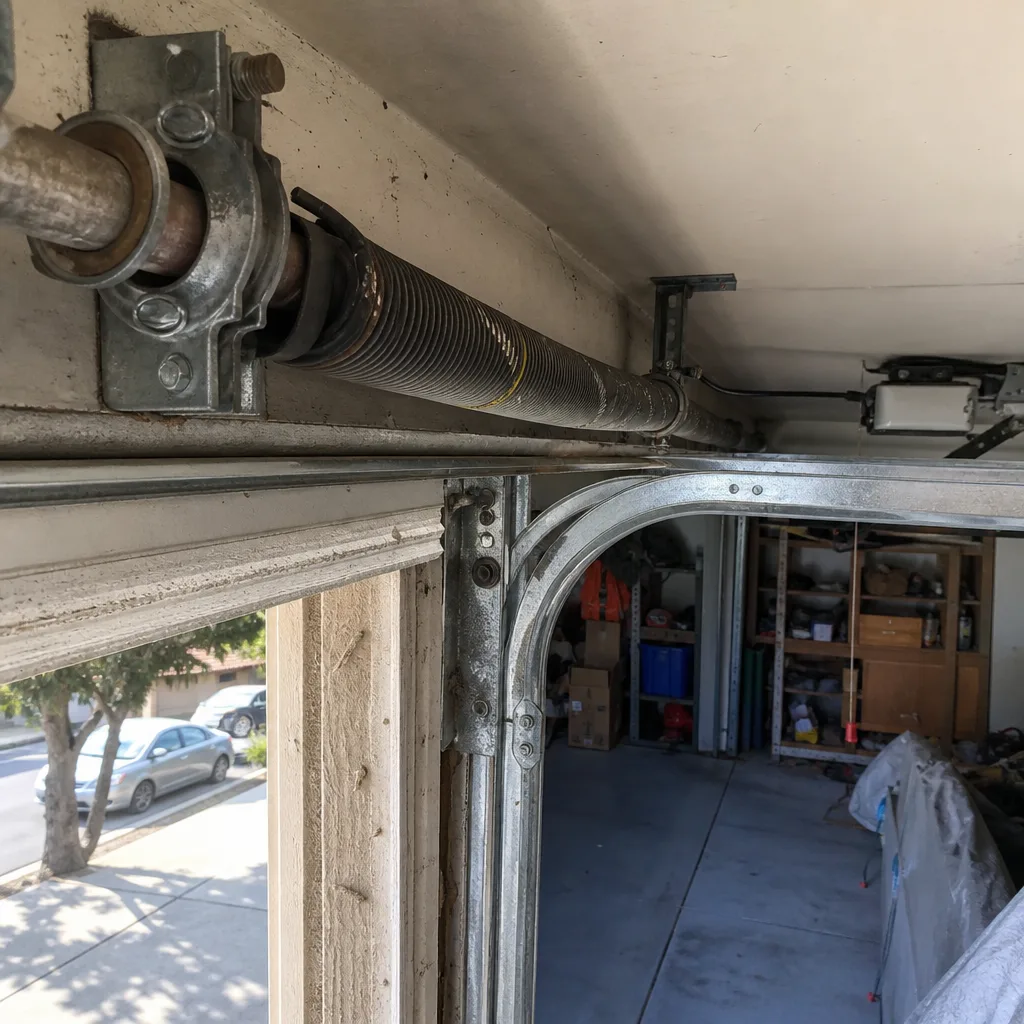 Before
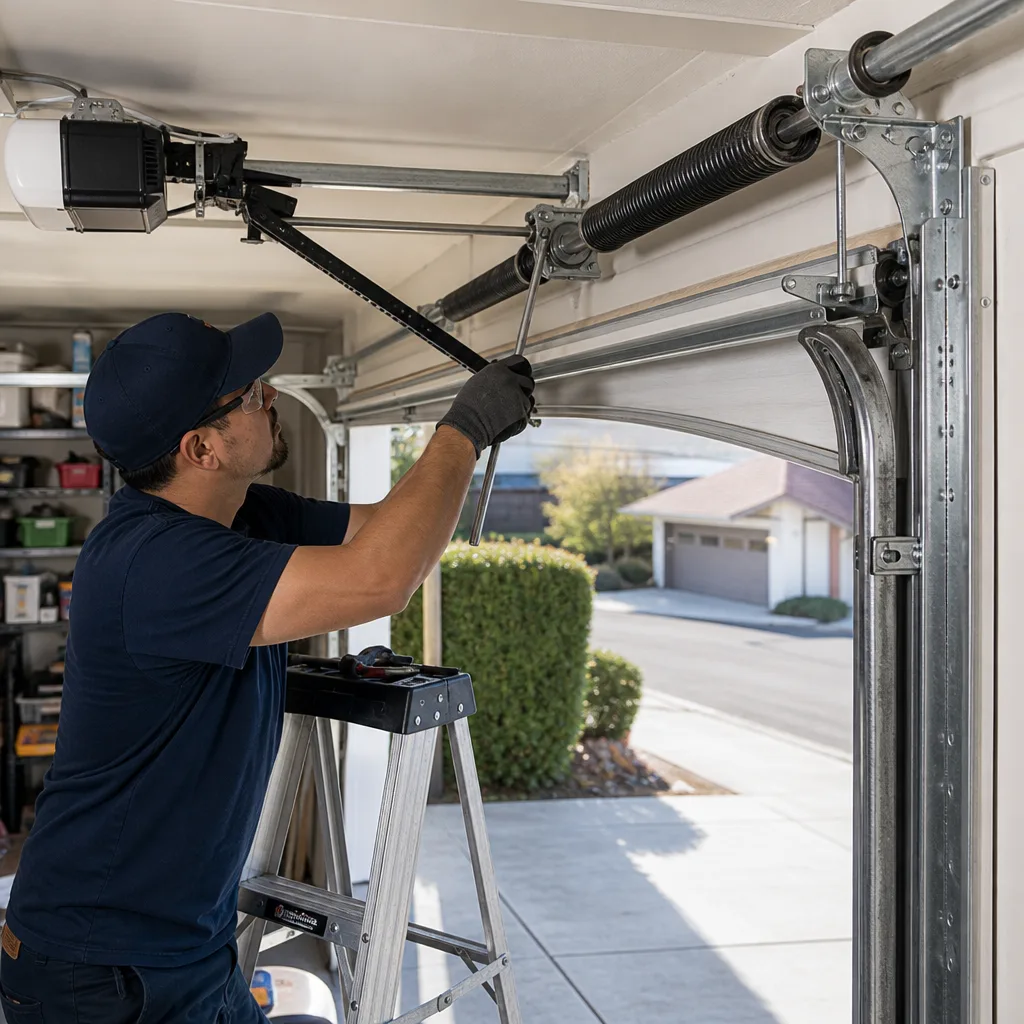 After
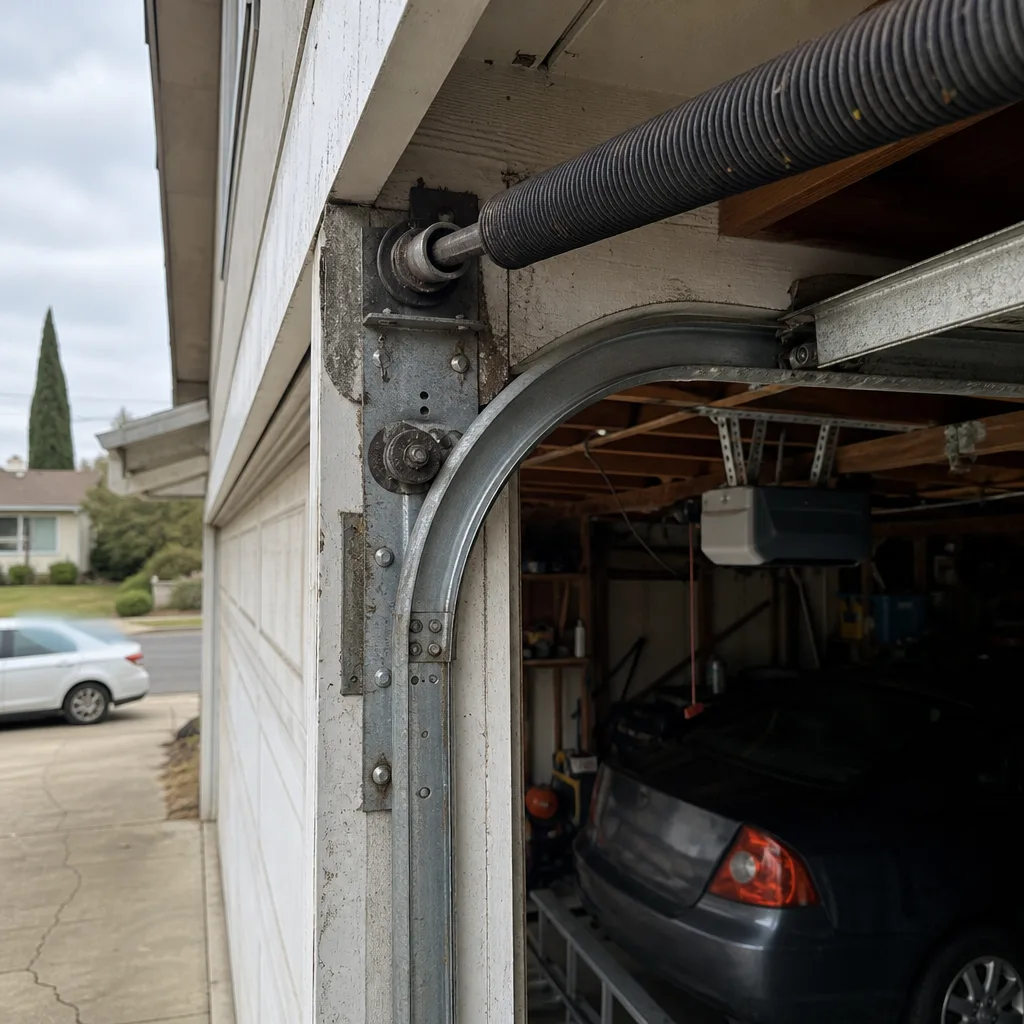 Before
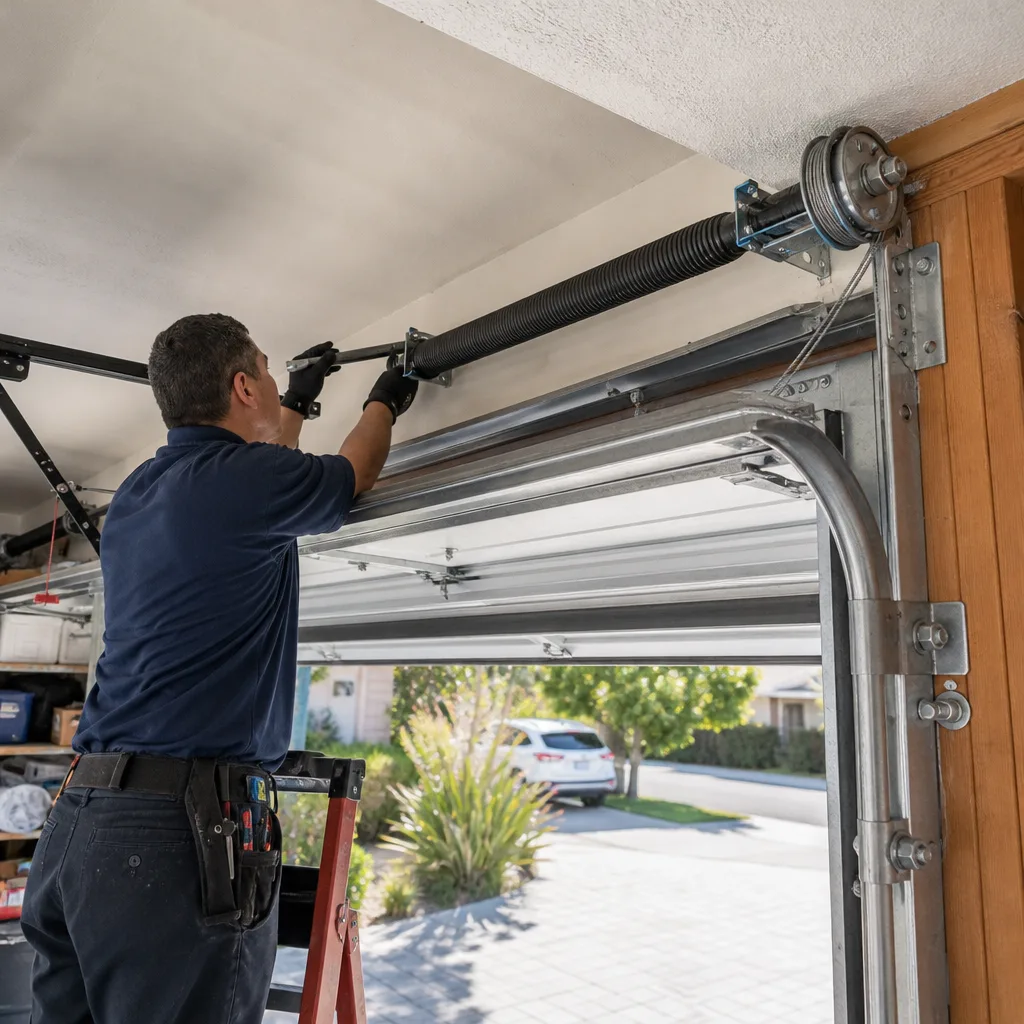 After
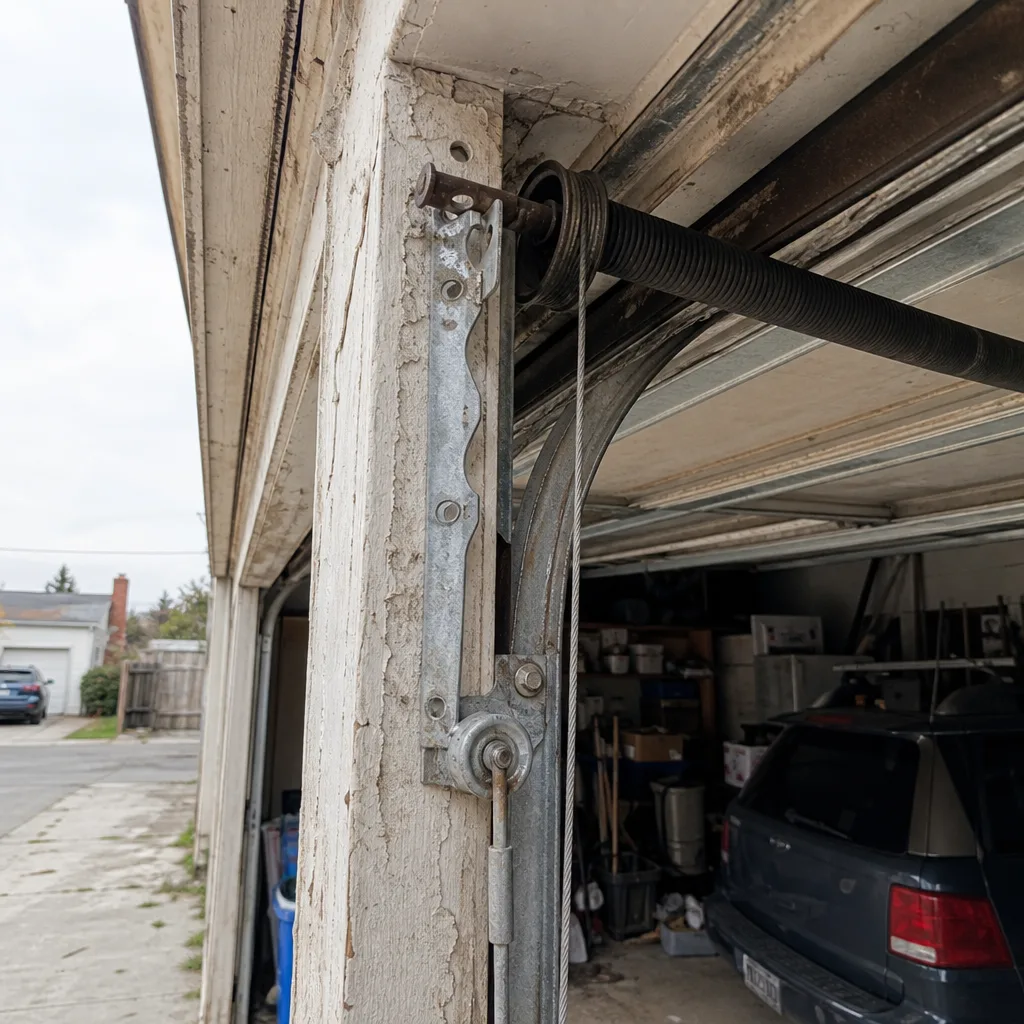 Before
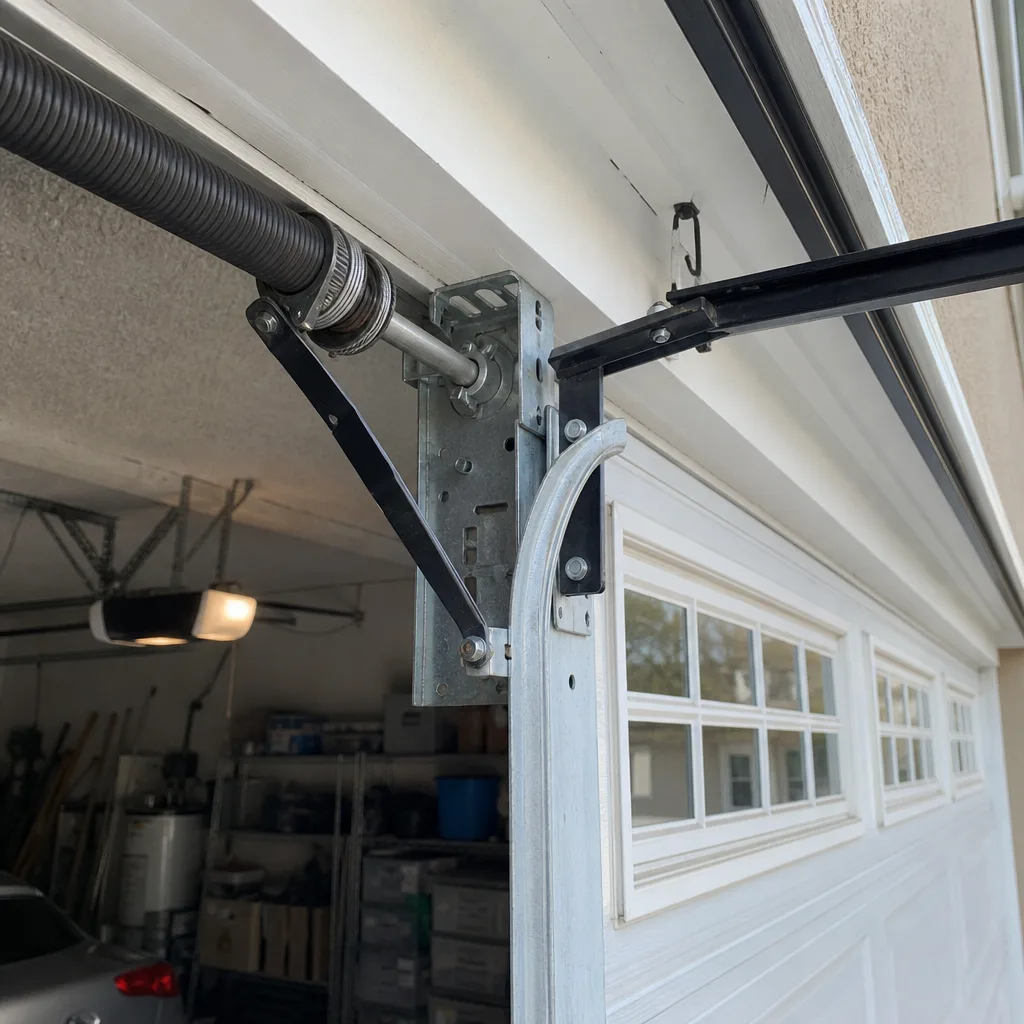 After